All activities — by category
Air & Flight 8 activities
Las Vegas helicopter tour — Strip vs Grand Canyon
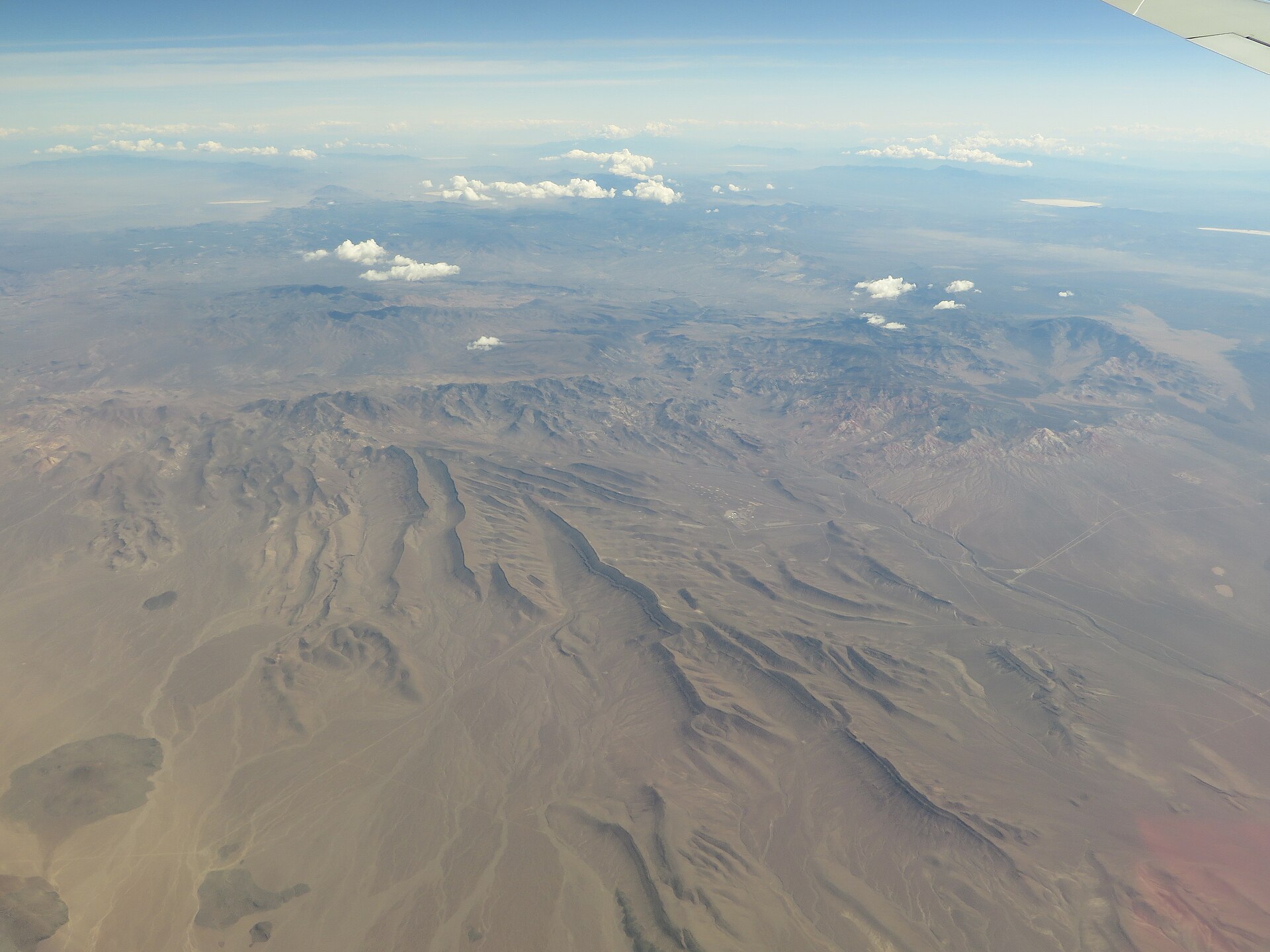
Photo: Ken Lund from Reno, Nevada, USA / Wikimedia Commons, CC BY-SA 2.0
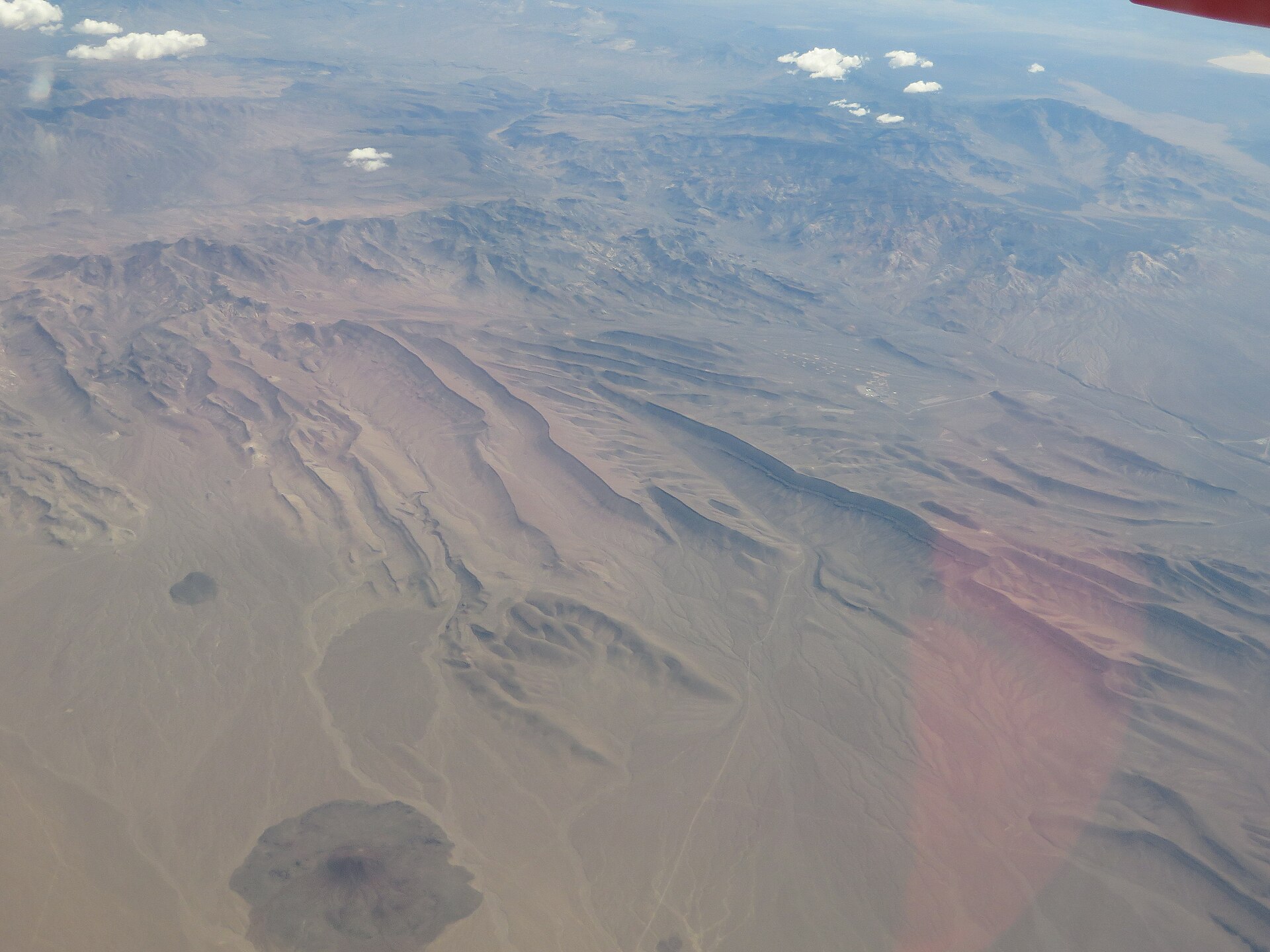
Photo: Ken Lund from Reno, Nevada, USA / Wikimedia Commons, CC BY-SA 2.0
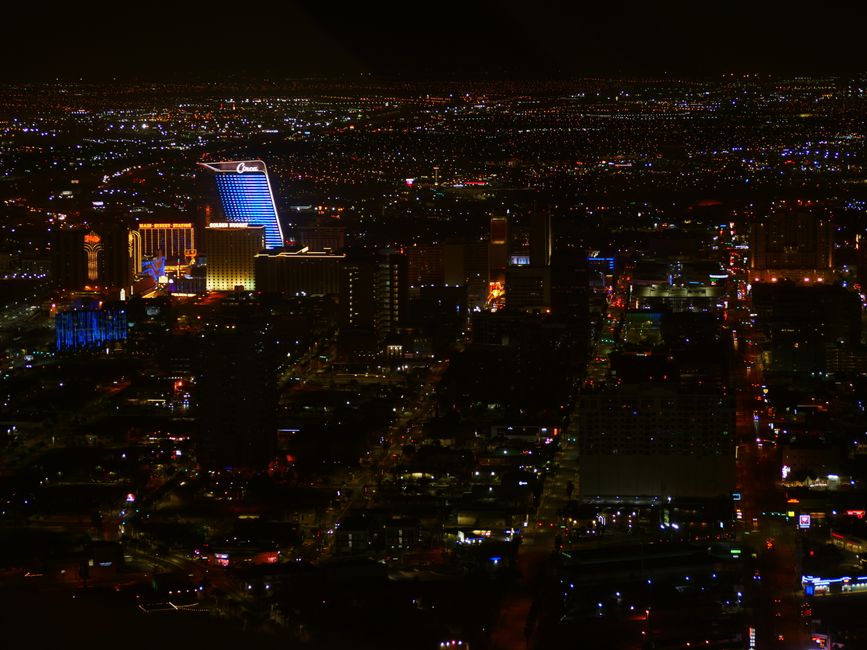
Photo: Bruno Storchi Bergmann / Pexels, Pexels License
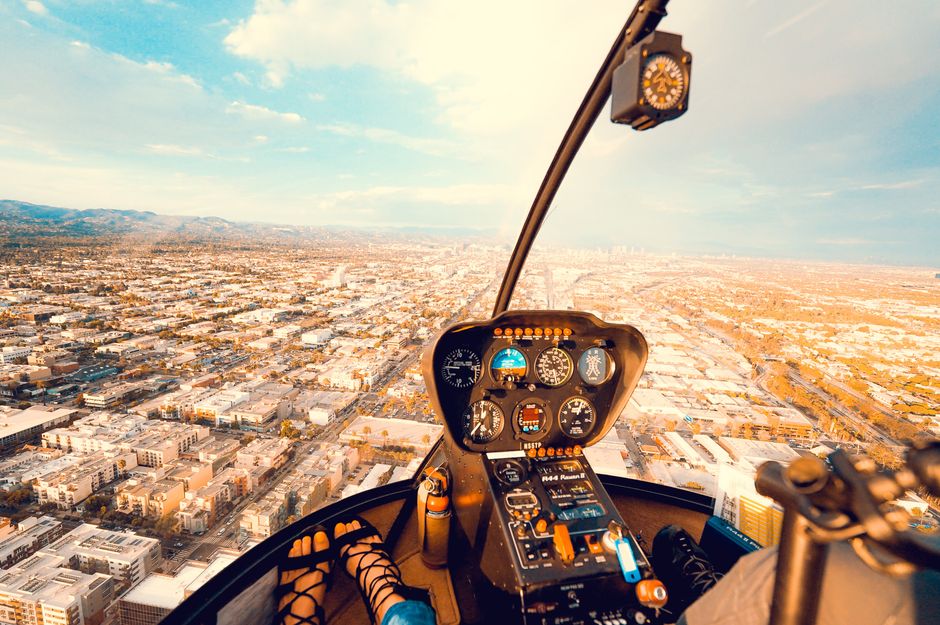
Photo: Sasha Lopyrev / Pexels, Pexels License
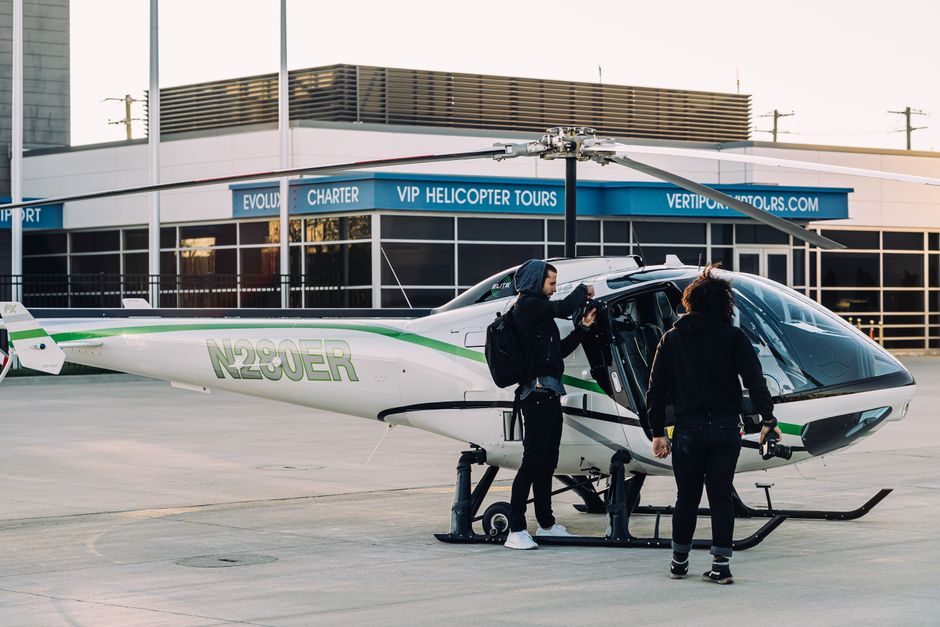
Photo: Ricky Esquivel / Pexels, Pexels License
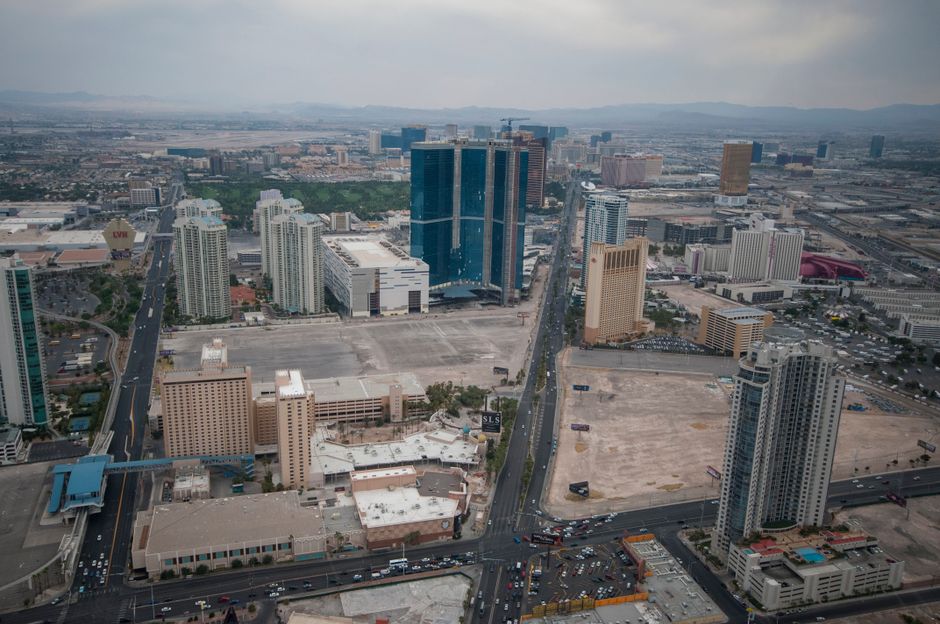
Photo: dumitru B / Pexels, Pexels License
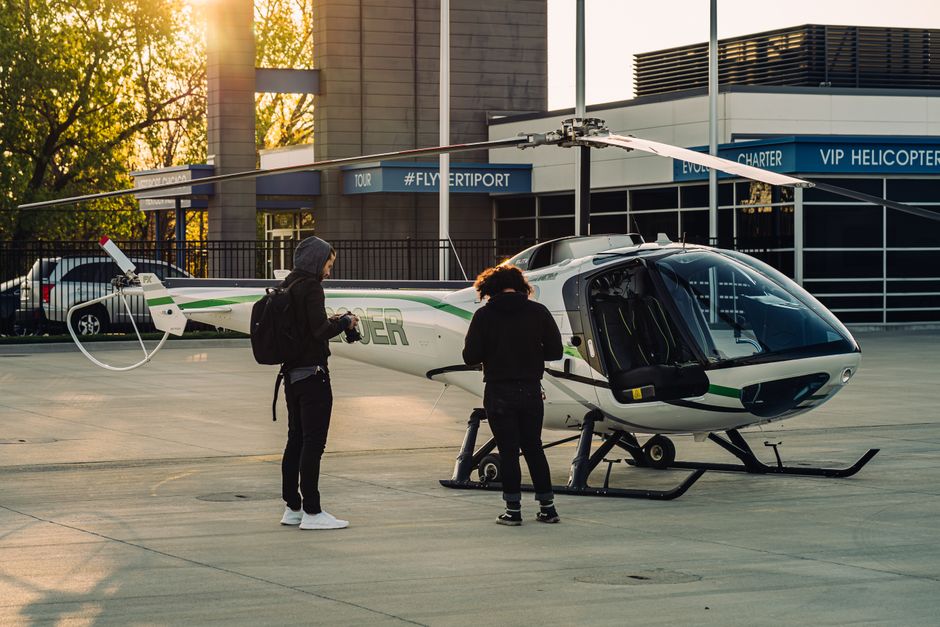
Photo: Ricky Esquivel / Pexels, Pexels License
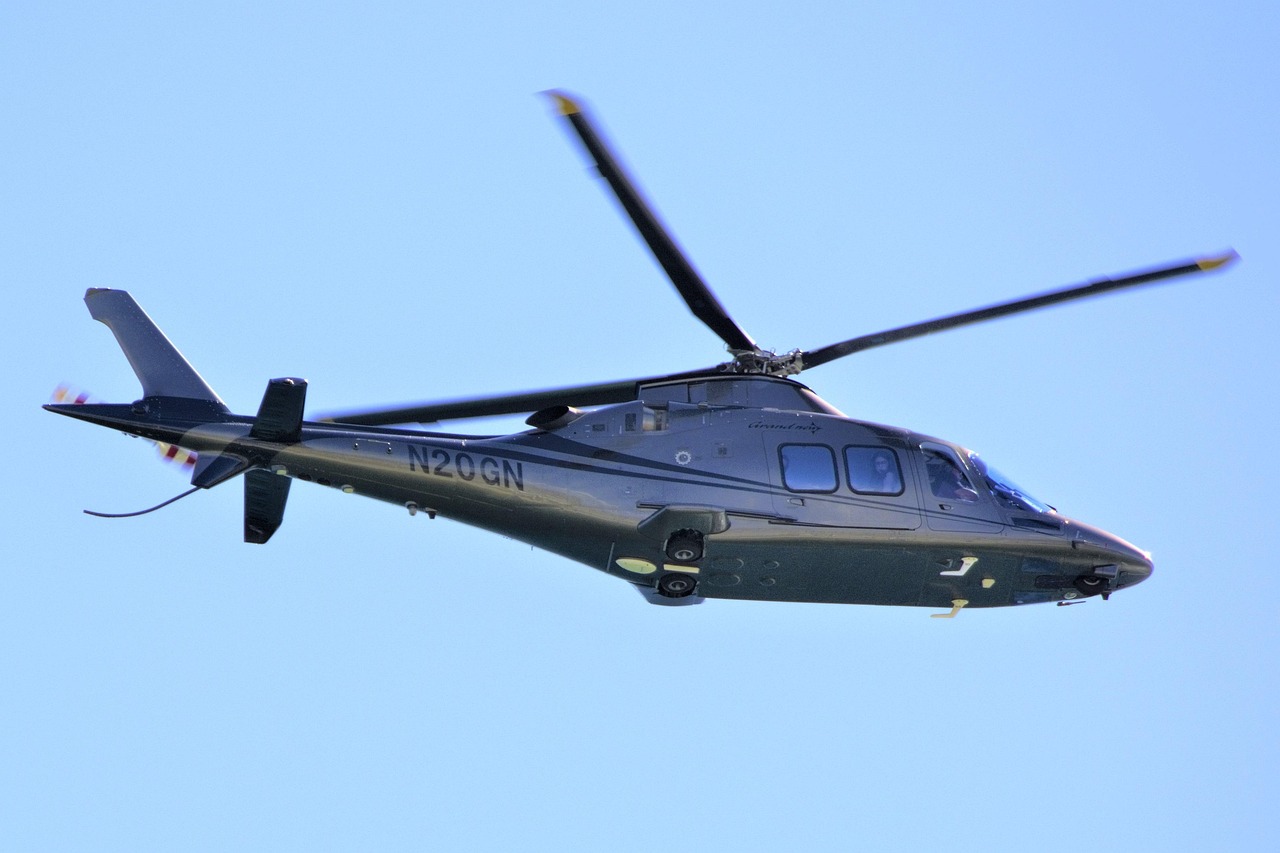
Photo: Scottslm / Pixabay, Pixabay License
Picture yourself lifting off from the Las Vegas Valley as the city's glittering skyline falls away beneath your feet. You have a choice that few visitors ever truly weigh: sweep low over the neon-lit Strip at dusk, watching the Bellagio fountains dance five hundred feet below, or bank east toward one of the seven natural wonders of the world. Either way, the moment the helicopter clears the rooftops and the desert opens up around you, you understand instantly why this is the most popular tour in Nevada.
As the rotors thrum and the pilot narrows the distance to the canyon rim, the scale of the Grand Canyon becomes almost incomprehensible — layers of red and ochre rock carved by five million years of the Colorado River, stretching further than your eye can follow. Back over the Strip, the city reveals itself as a work of art only visible from the air: the perfect grid of streets, the hotel towers rising like monuments, the blue diamond of the MGM pool catching the afternoon sun. Your headset crackles with the pilot's commentary, but mostly you just stare, jaw loose, trying to absorb what you're seeing.
This is the quintessential Las Vegas experience — the one that no casino floor or buffet can replicate. Whether you're celebrating a milestone, impressing a partner, or simply ticking off a bucket-list moment, a helicopter tour reframes the entire city and its surroundings in a way you'll be describing to people for years. Book the canyon route if this is your first time; book the Strip route at sunset if you've seen the canyon before. Either way, book it.
Sky Combat Ace — fly a real stunt plane over Las Vegas
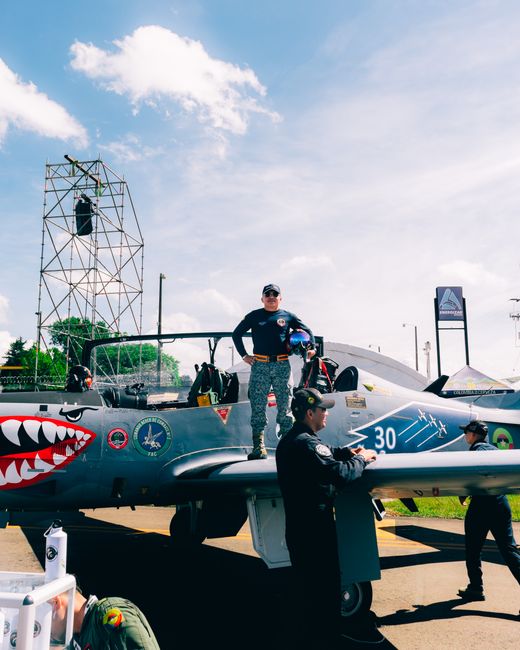
Photo: Camilo Ospina / Pexels, Pexels License
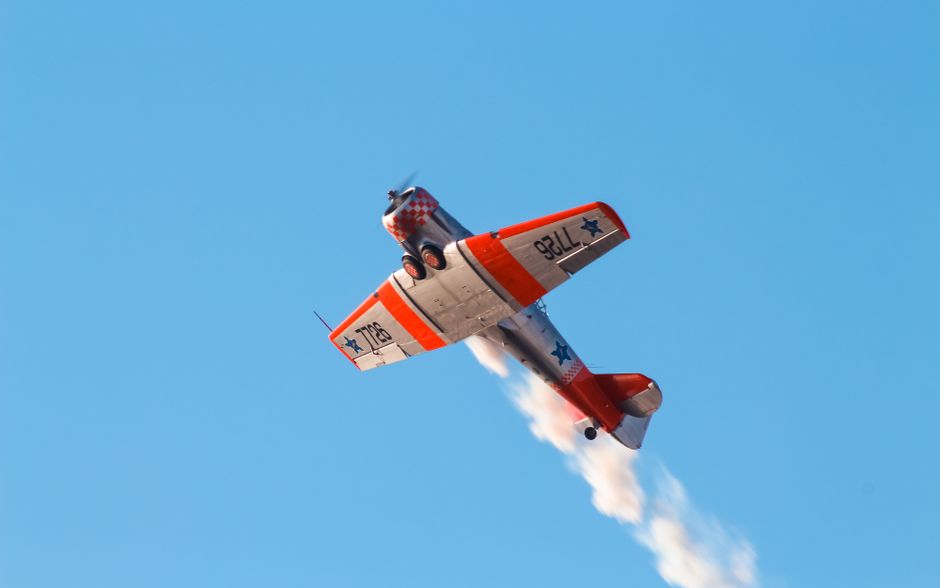
Photo: Enis Pilgir / Pexels, Pexels License
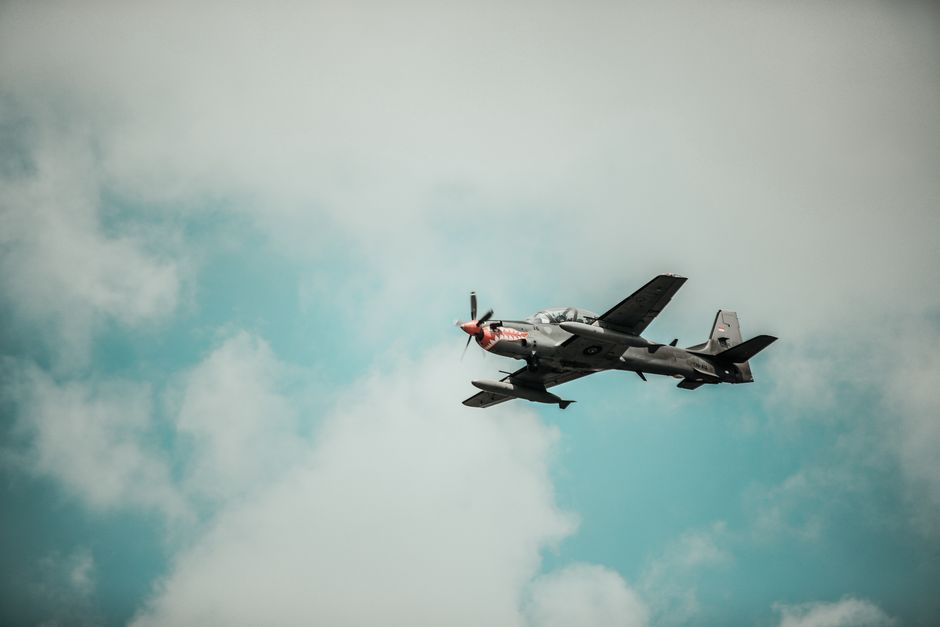
Photo: Nur Andi Ravsanjani Gusma / Pexels, Pexels License
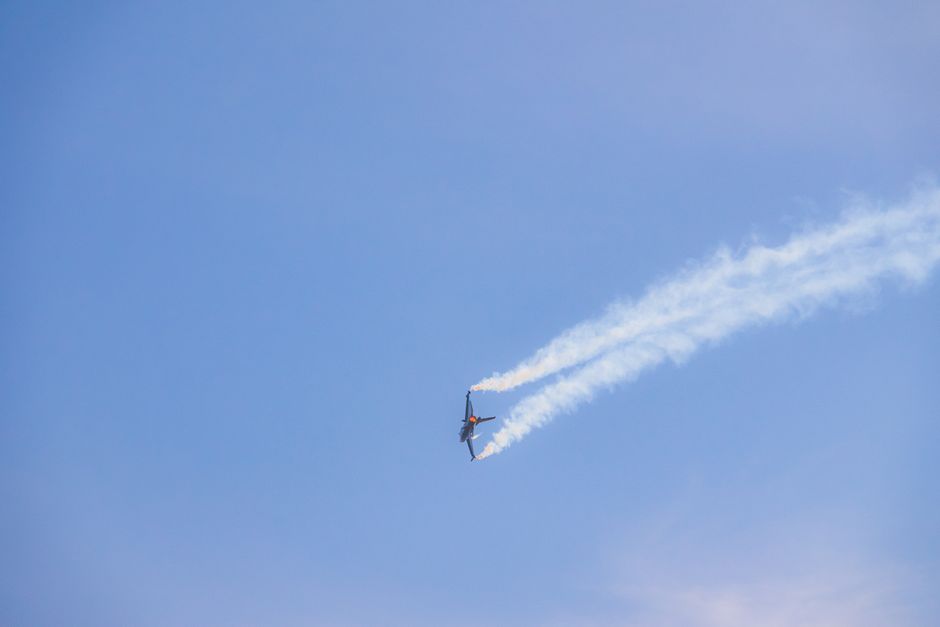
Photo: Emre Ayata / Pexels, Pexels License
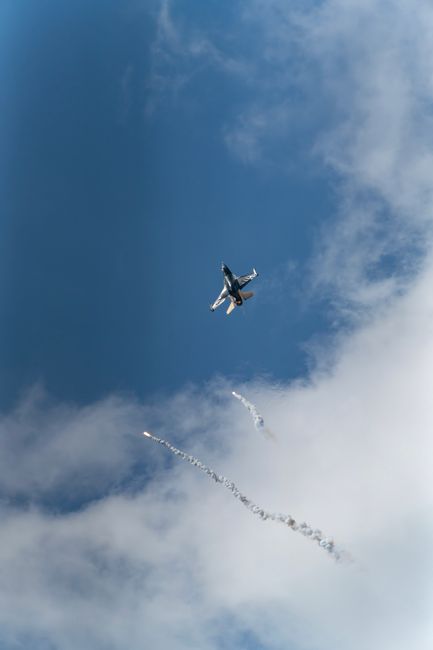
Photo: Fatih Turan / Pexels, Pexels License
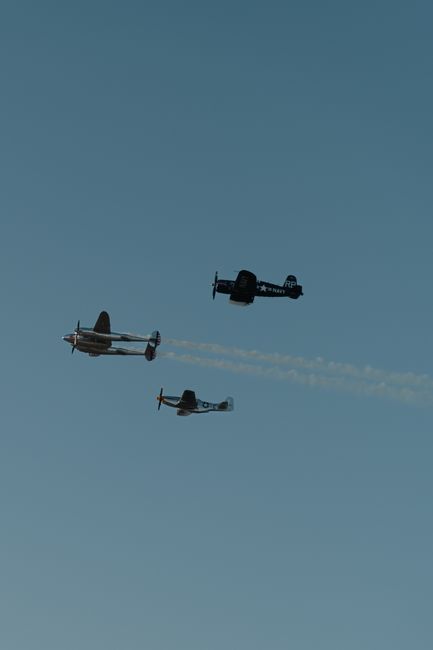
Photo: Kostiantyn Zavhorodnii / Pexels, Pexels License
You've watched the airshow from the ground your whole life — the impossible rolls, the knife-edge passes, the vertical climbs that seem to defy physics. Sky Combat Ace hands you the controls and puts you in the cockpit of a real aerobatic aircraft, a military-grade Extra 330 or similar, with an ex-fighter pilot riding along not to save you but to teach you. Before you even leave the briefing room, the adrenaline is already moving through your blood like static electricity.
At altitude over the Nevada desert, your instructor talks you through the sequence: a gentle roll first, just to get your hands calibrated to the aircraft's razor-sharp response, then a loop, then an Immelmann turn that swaps your sky and ground in a single fluid motion. The g-forces press you into your seat on the pull-outs — three, four, five times your own body weight — and for a few seconds the world narrows to the horizon line and the sound of the engine at full throttle. When you're cleared to engage in simulated air combat with another aircraft, the competitive instinct kicks in hard and you stop thinking entirely and just fly.
Sky Combat Ace is not a theme park ride and it is not for everyone — but if you have any pilot's blood in you, any curiosity about what it actually feels like to fly a real machine through three dimensions at speed, this is your answer. The debrief video shows your maneuvers from the chase plane's camera, and watching yourself throw an aerobatic aircraft around the Nevada sky is the kind of footage that gets watched on repeat. Few experiences in Las Vegas — or anywhere — come close to this level of pure, uncut thrill.
Hot air balloon at sunrise over Las Vegas desert
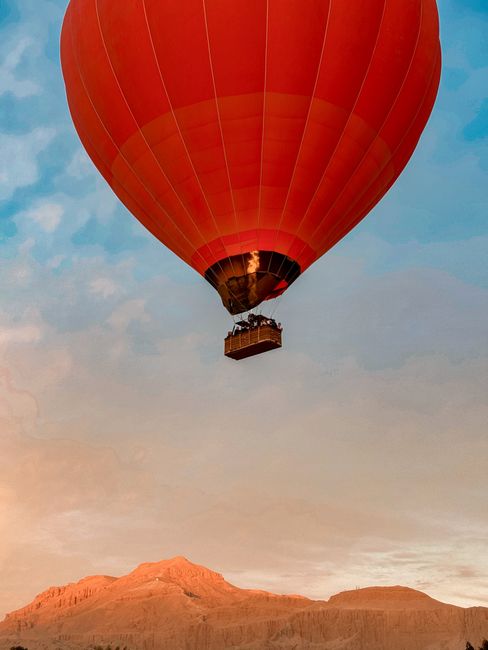
Photo: GirlvsGlobe86 / Pexels, Pexels License
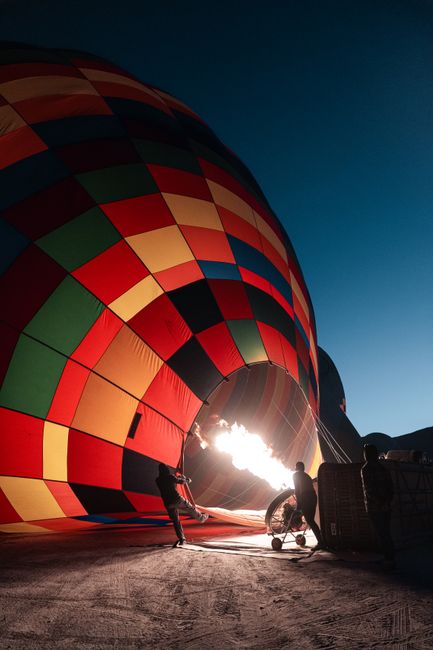
Photo: Ahmed / Pexels, Pexels License
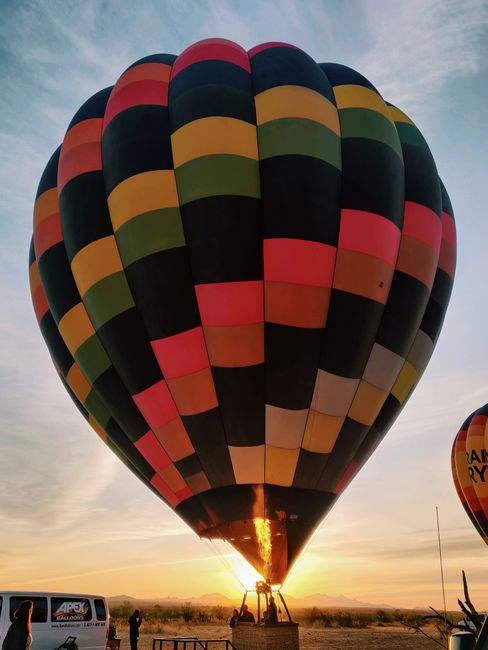
Photo: Sathyaprabha Rakkimuthu / Pexels, Pexels License
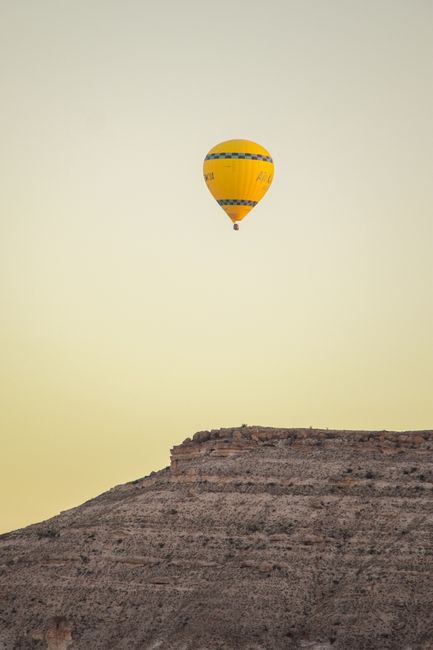
Photo: Mücahit Aşıkoğlu / Pexels, Pexels License
Photo: Roger Ce / Pexels, Pexels License
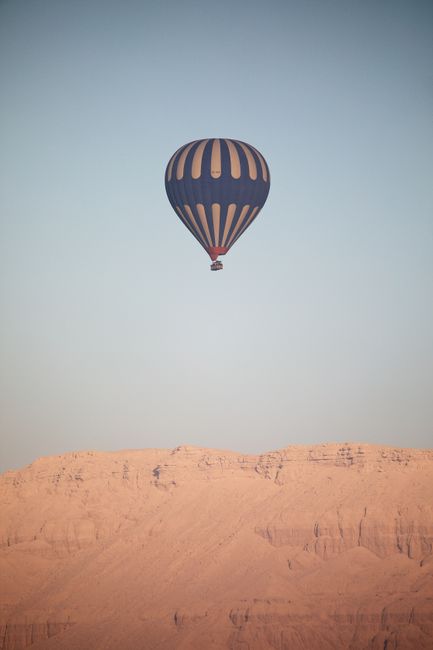
Photo: Maël BALLAND / Pexels, Pexels License
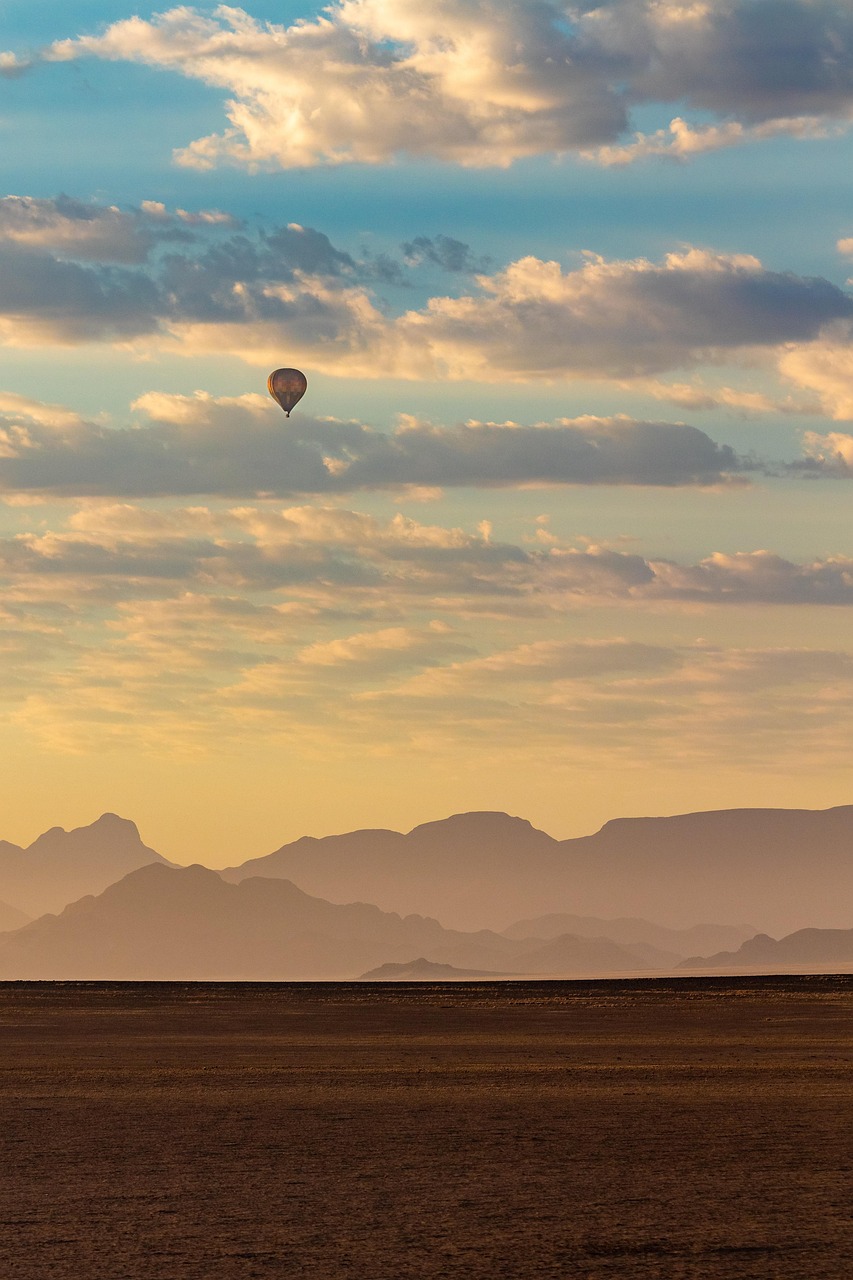
Photo: KevinSchmid / Pixabay, Pixabay License
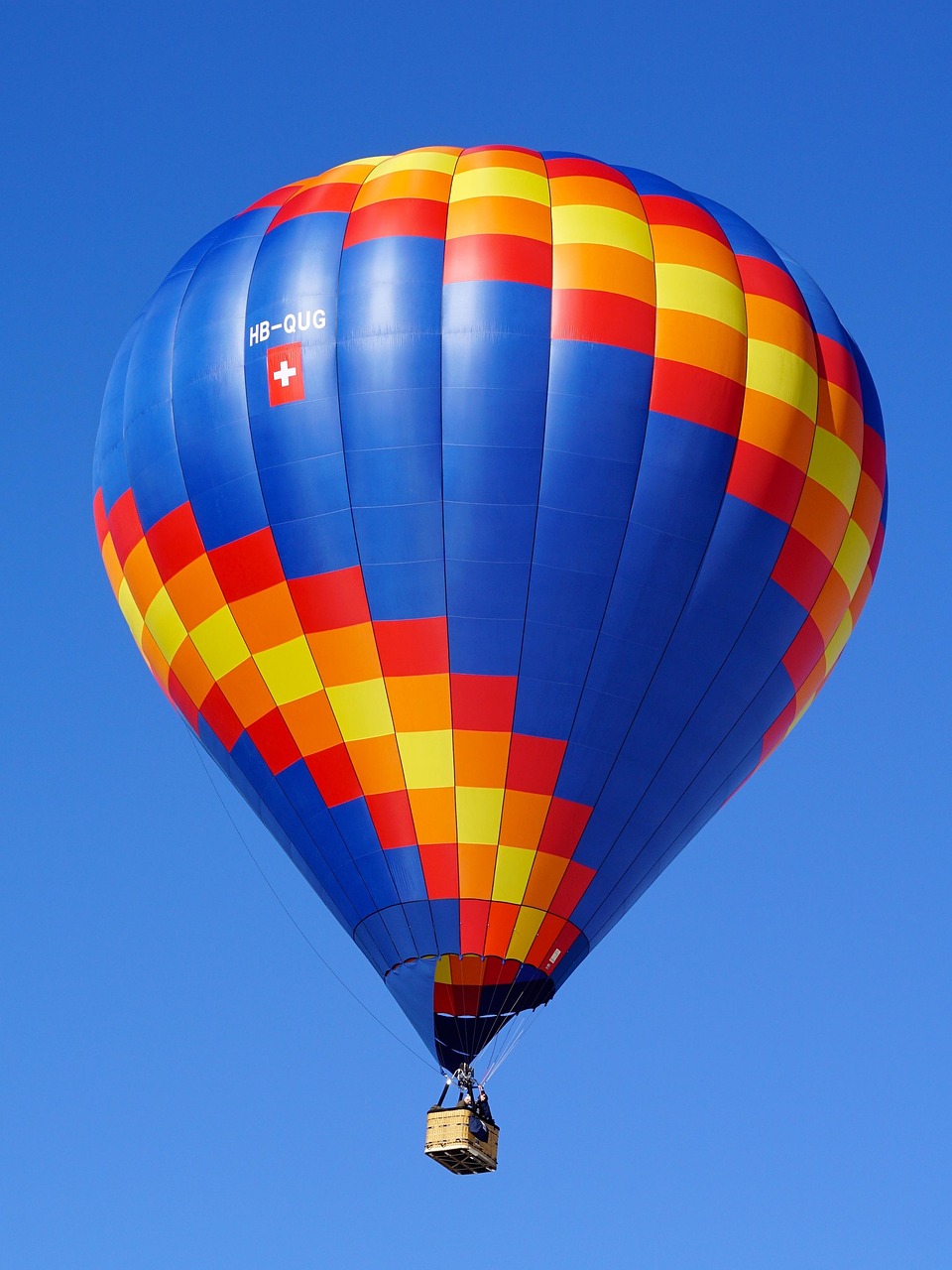
Photo: 165106 / Pixabay, Pixabay License
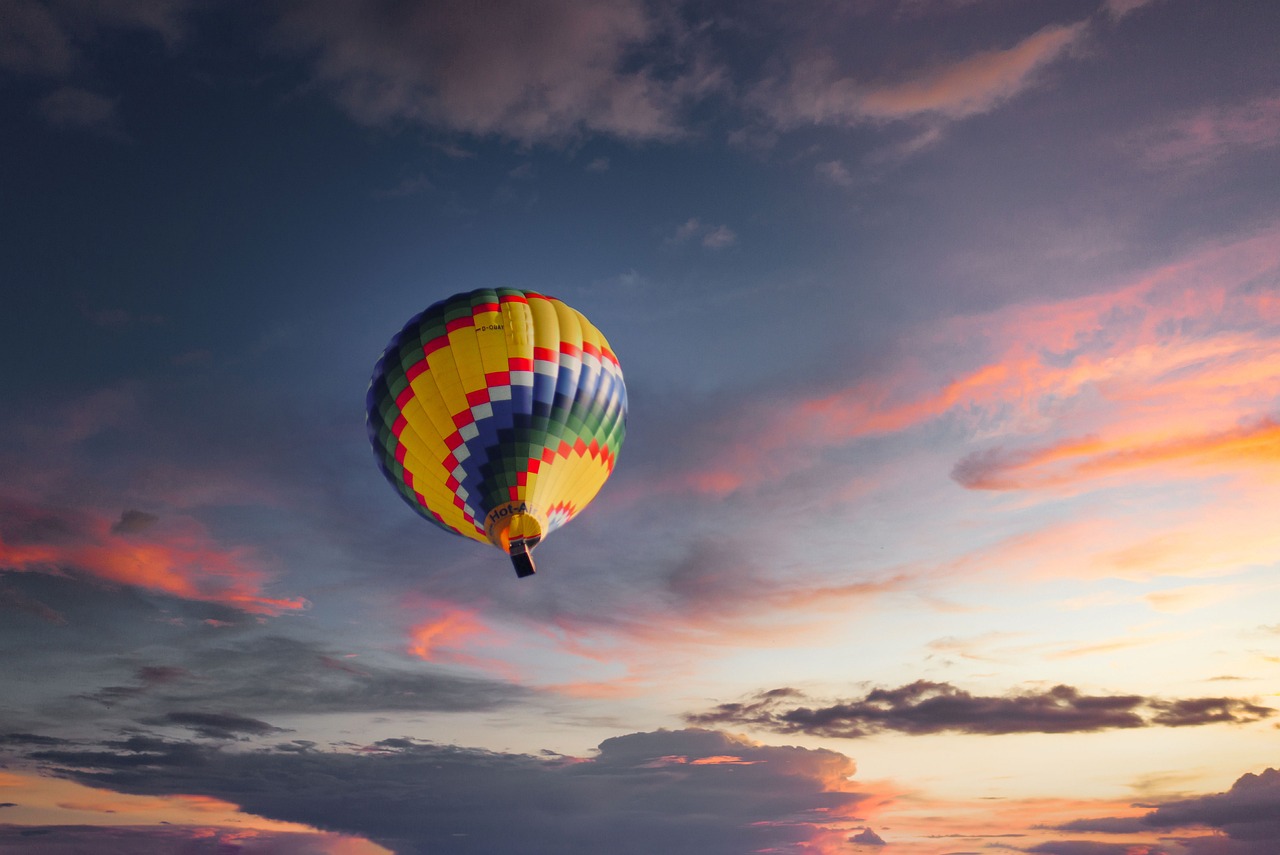
Photo: fietzfotos / Pixabay, Pixabay License
Set your alarm for before dawn and step outside into the cool desert air while the city sleeps. By the time the balloon's envelope is fully inflated and glowing against the pre-dawn sky, you'll feel the quiet drama of the moment — the controlled burn of the burner, the gradual lift, the sudden silence as the ground falls away and Las Vegas becomes a distant cluster of lights against an ocean of dark desert. Hot air ballooning at sunrise is the most peaceful adventure the Nevada sky has to offer, and that contrast with the city's noise is precisely what makes it extraordinary.
As the sun crests the Spring Mountains and floods the valley in gold, you drift above the Mojave at whatever speed the wind chooses — typically serene, occasionally whimsical, always unhurried. The desert below reveals itself in extraordinary detail: dry washes carving pale lines through the scrub, Joshua trees casting long morning shadows, the occasional jackrabbit darting between boulders. The Las Vegas Strip, still lit up in the far distance, looks surreal against the natural landscape — a fever dream built in a place that has no business being so extravagant.
This is the experience for early risers, romantics, photographers, and anyone who needs a genuine moment of awe to balance a week of casino noise and late nights. Many operators include a champagne toast on landing, a tradition that stretches back to the earliest days of ballooning in France. You'll float for roughly an hour, land gently somewhere in the desert, and drive back to the Strip with the quiet satisfaction of having seen Las Vegas the way almost nobody sees it — from above, in silence, as the day begins.
Skydiving in Las Vegas — first timer complete guide
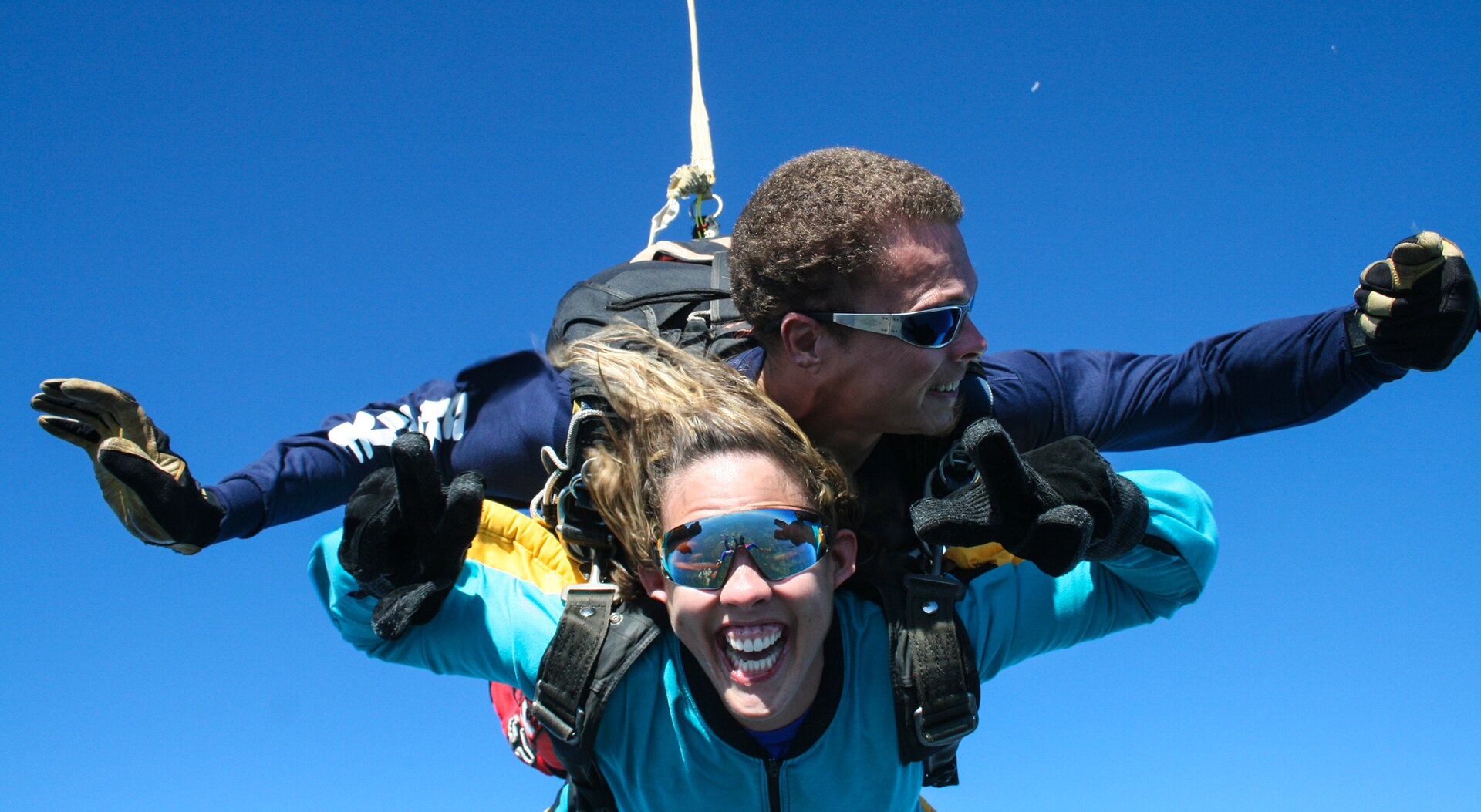
Photo: Tomás Del Coro from Las Vegas, Nevada, USA / Wikimedia Commons, CC BY-SA 2.0
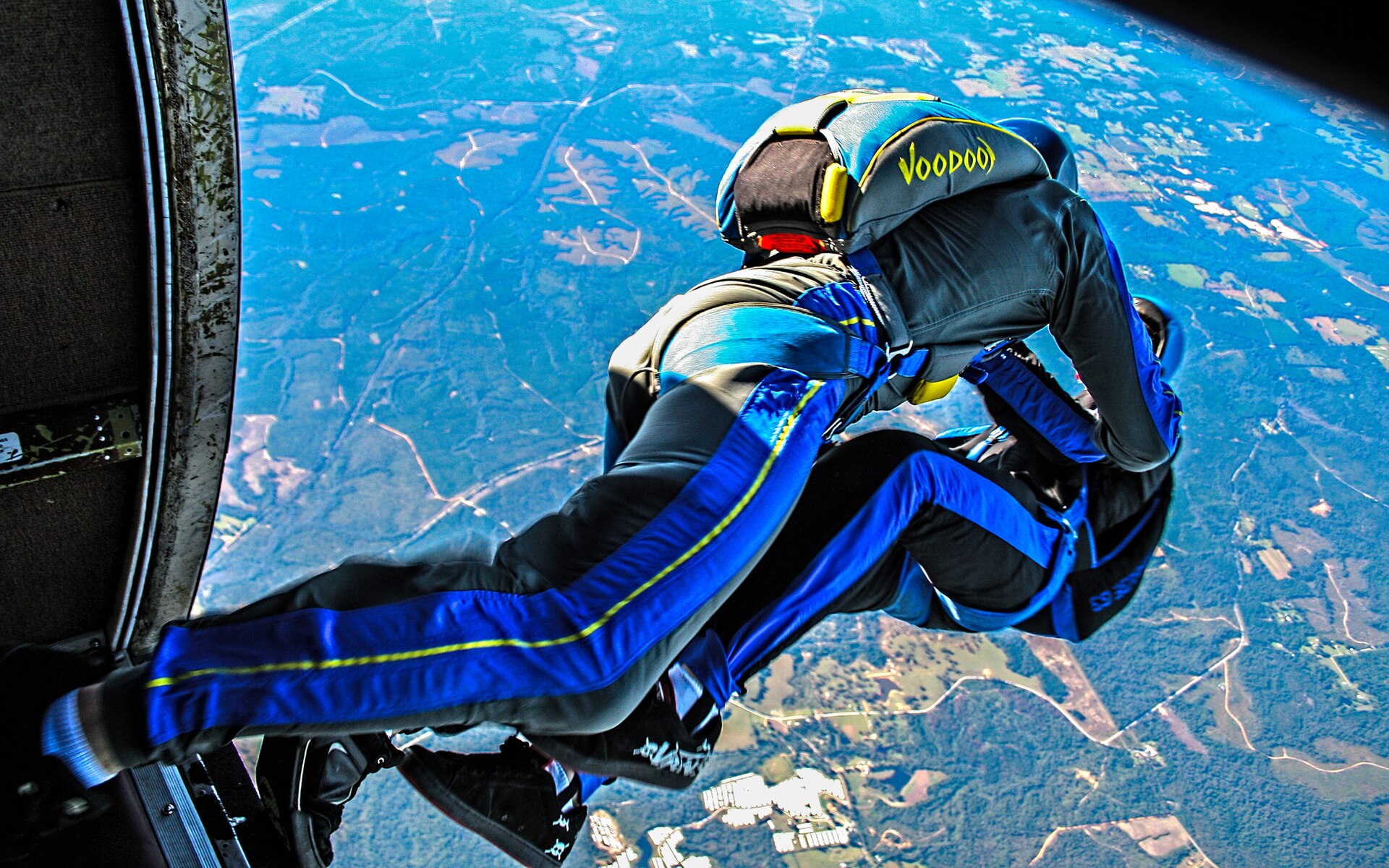
Photo: Tomás Del Coro from Las Vegas, Nevada, USA / Wikimedia Commons, CC BY-SA 2.0
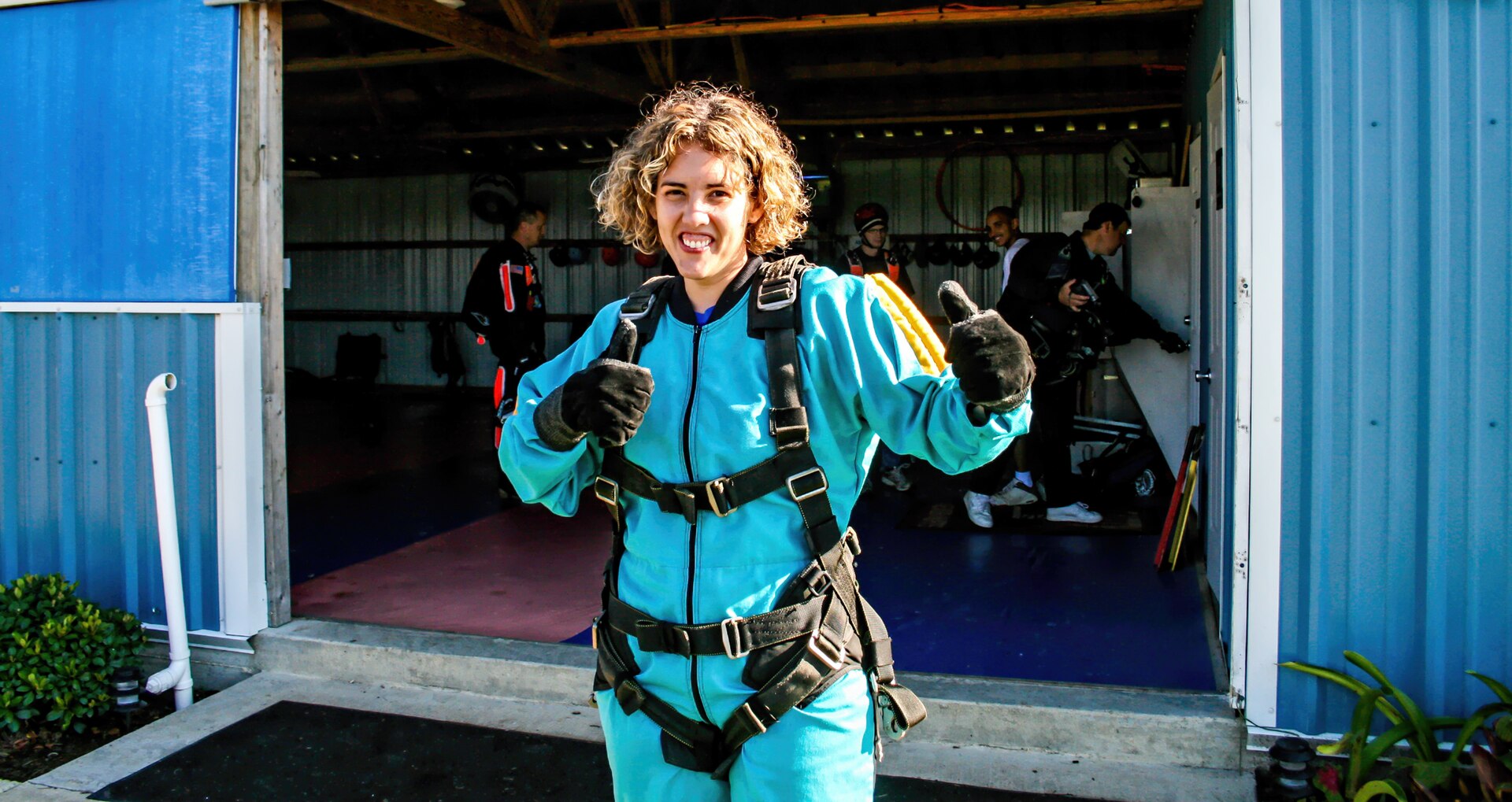
Photo: Tomás Del Coro from Las Vegas, Nevada, USA / Wikimedia Commons, CC BY-SA 2.0
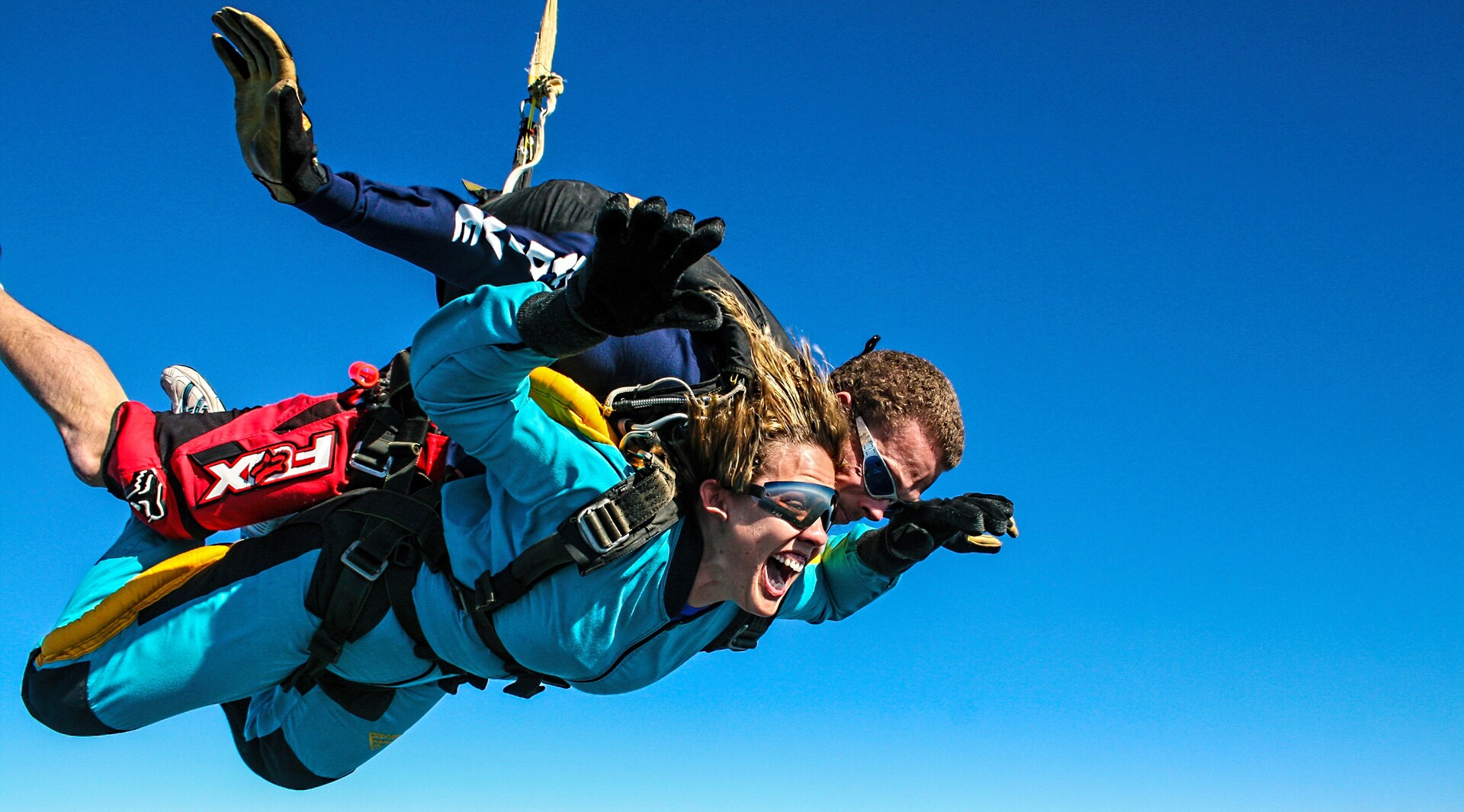
Photo: Tomás Del Coro from Las Vegas, Nevada, USA / Wikimedia Commons, CC BY-SA 2.0
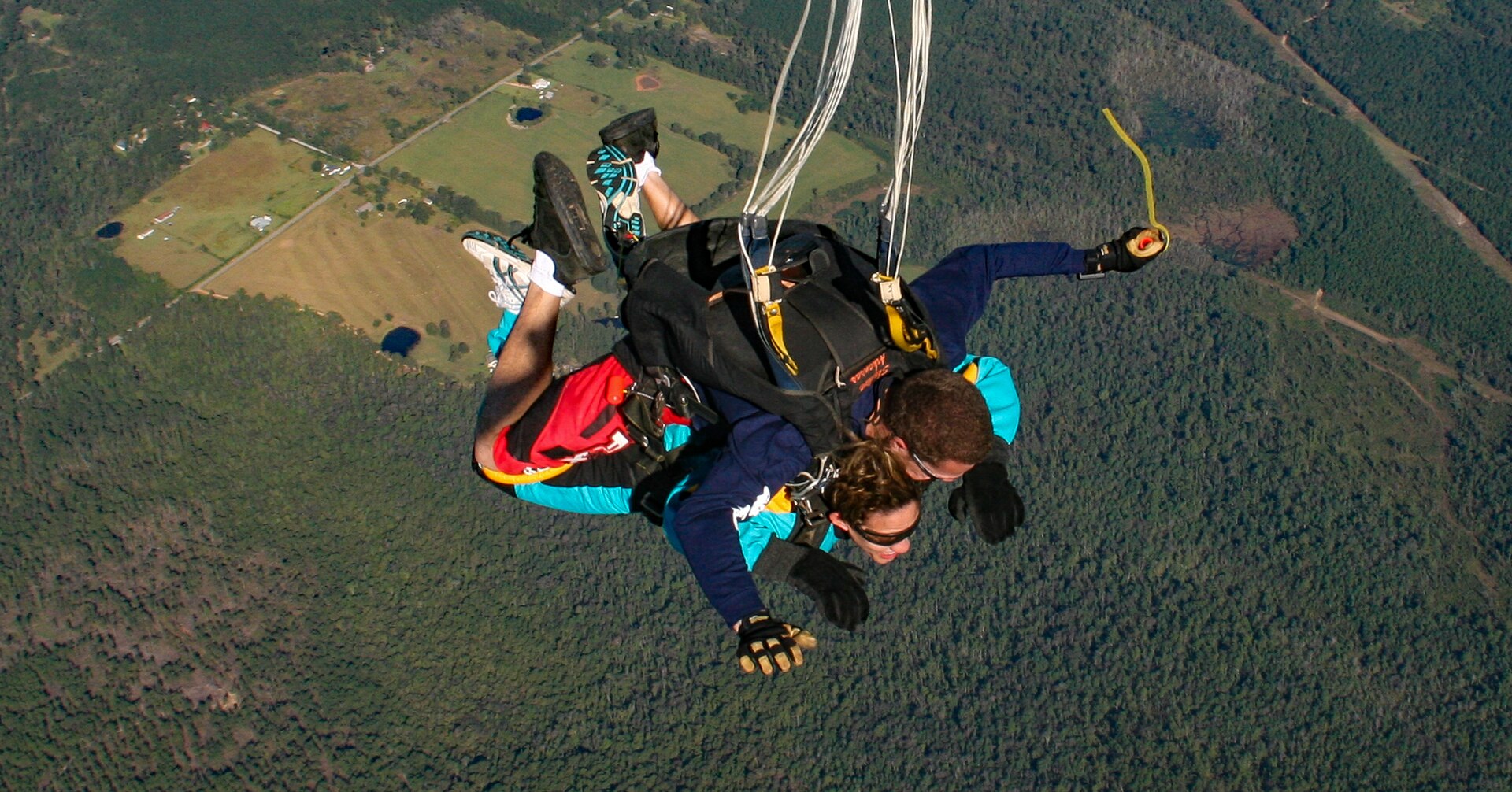
Photo: Tomás Del Coro from Las Vegas, Nevada, USA / Wikimedia Commons, CC BY-SA 2.0
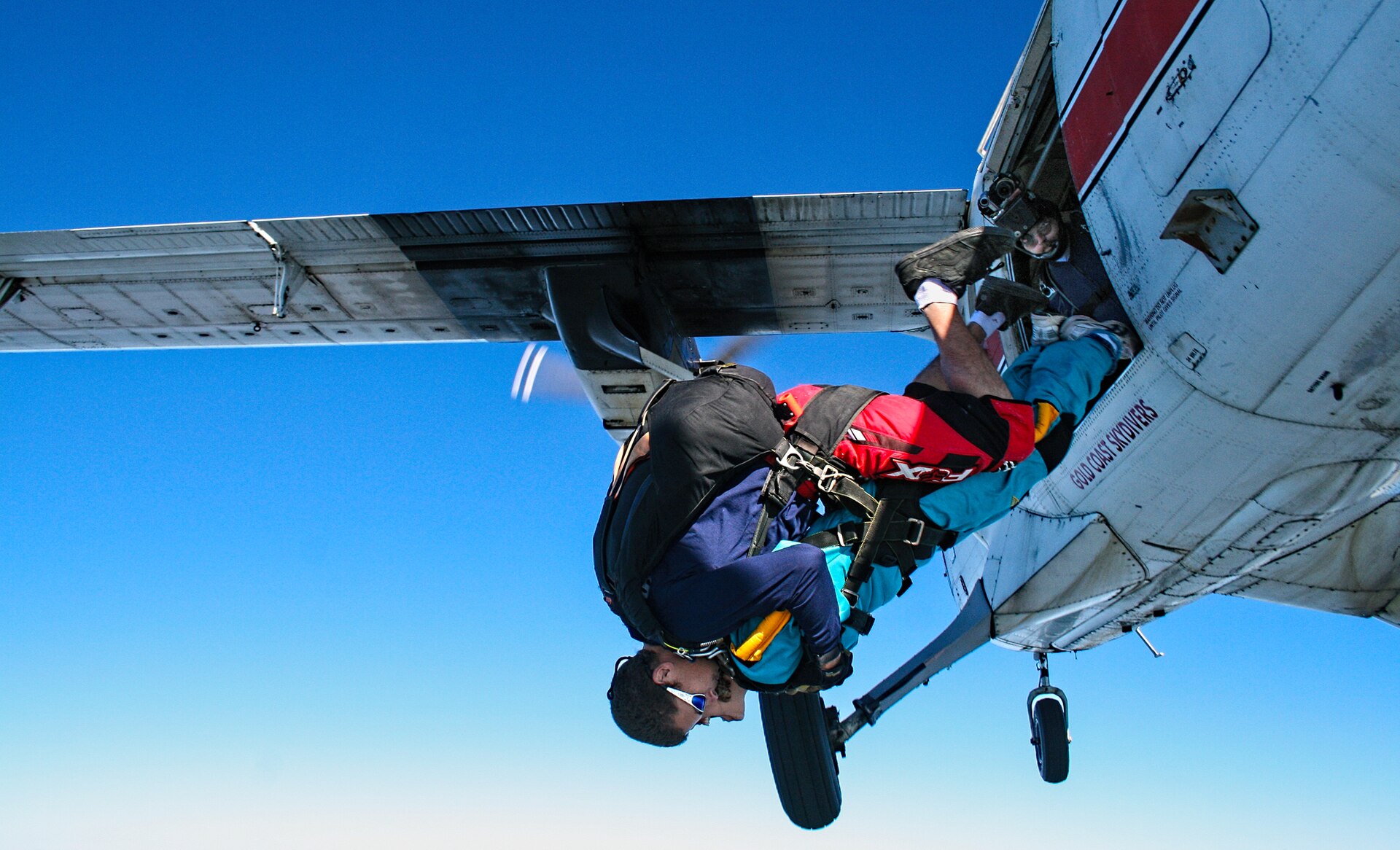
Photo: Tomás Del Coro from Las Vegas, Nevada, USA / Wikimedia Commons, CC BY-SA 2.0
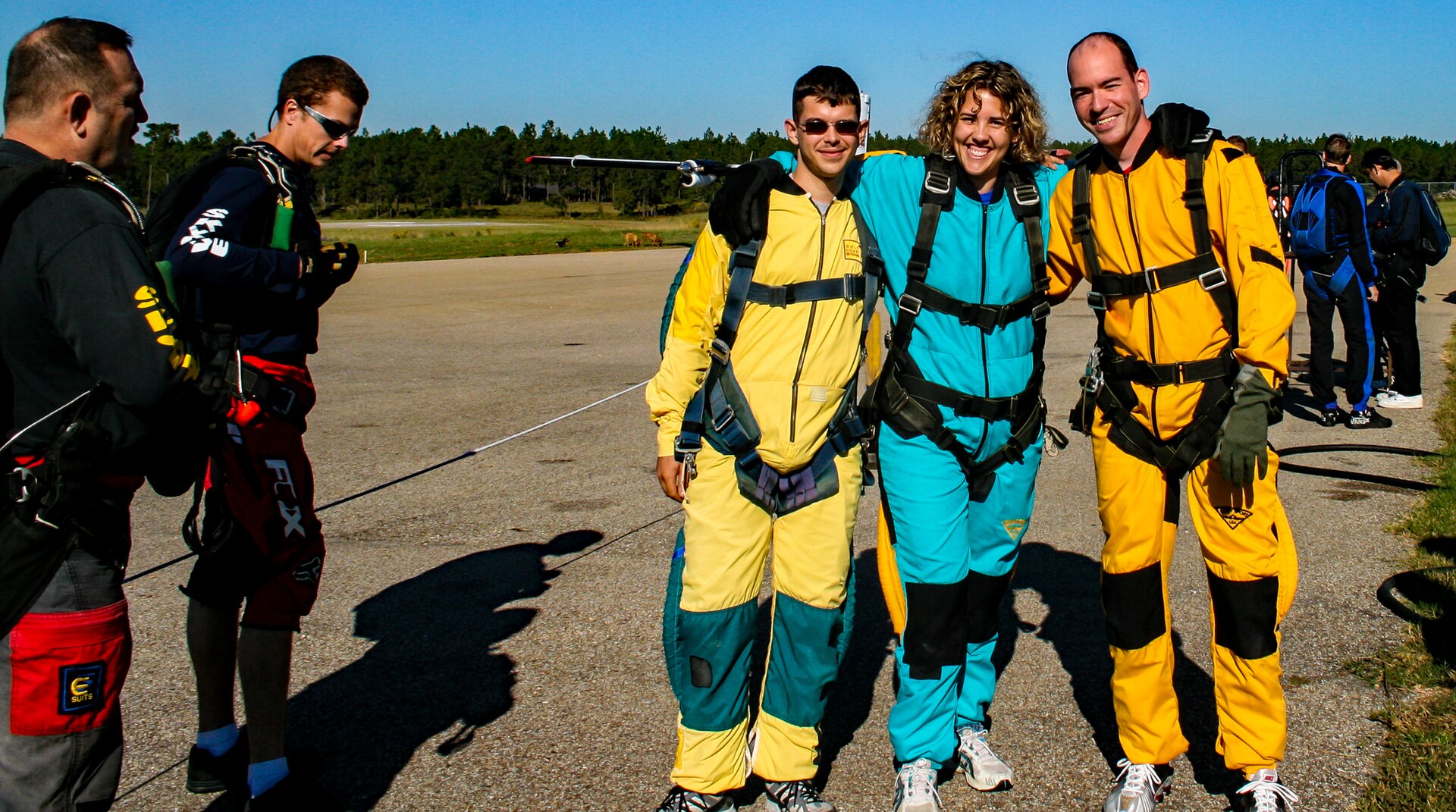
Photo: Tomás Del Coro from Las Vegas, Nevada, USA / Wikimedia Commons, CC BY-SA 2.0
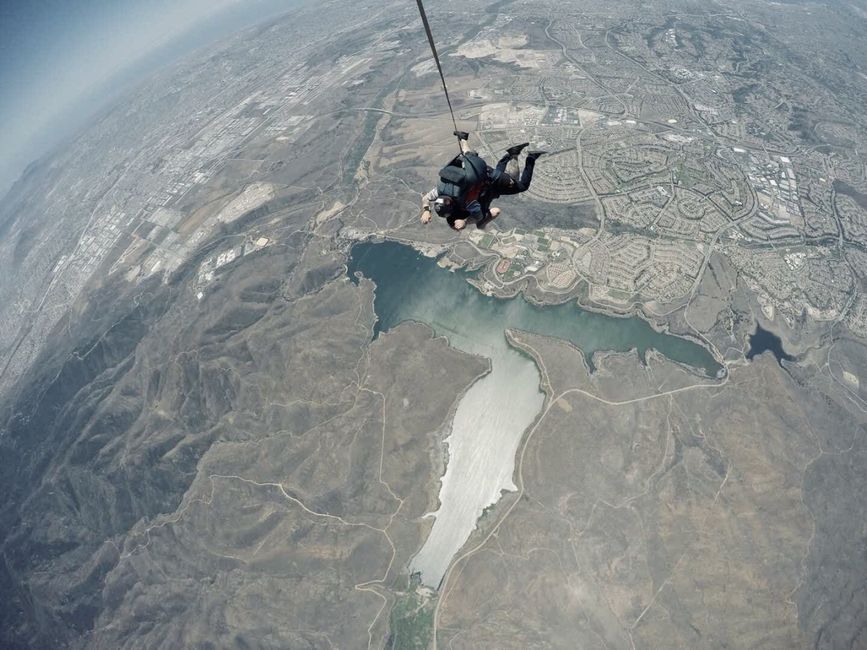
Photo: Henry Li / Pexels, Pexels License
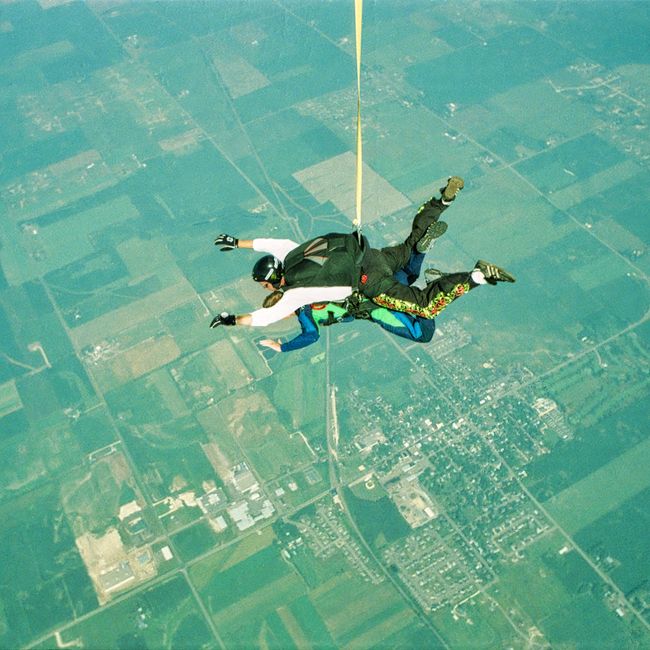
Photo: Tom Fisk / Pexels, Pexels License
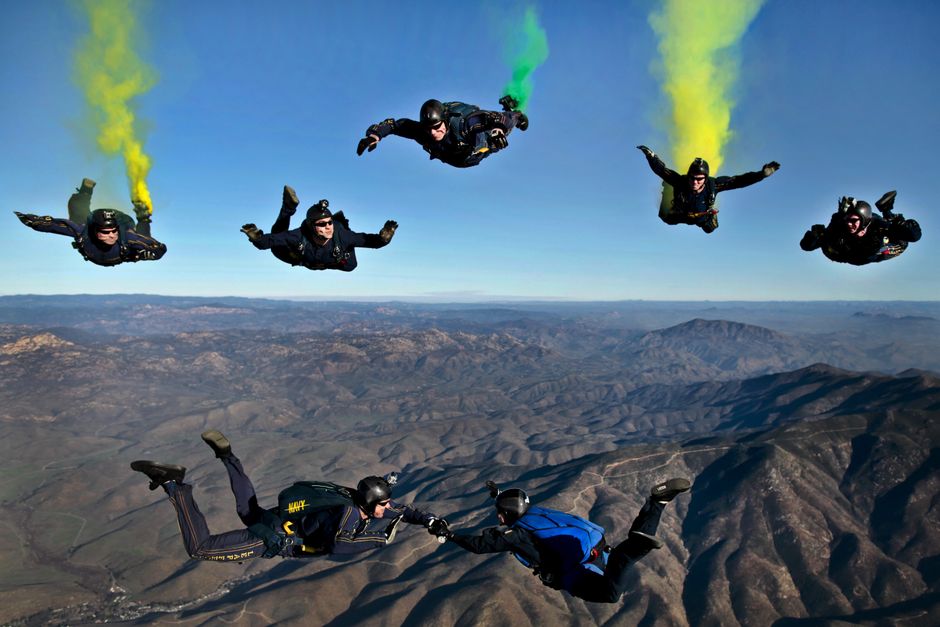
Photo: Pixabay / Pexels, Pexels License
Everything you imagine about skydiving is wrong until you actually do it. You imagine the fall will feel like dropping — it doesn't. You imagine the noise will be overwhelming — your brain filters most of it. You imagine you'll be terrified the whole way down — you will be terrified for about three seconds at the door, and then something shifts and the fear converts entirely into exhilaration. The Las Vegas area is one of the best places in the world to make your first jump, with clear skies three hundred days a year and some of the most dramatic scenery on the planet spread out beneath you.
Tandem skydiving means you're harnessed to a certified instructor for every second of the jump, which means your only job is to look around and feel things. At fourteen thousand feet, the Strip is a thin line of silver in a brown valley; the mountains ring the basin on all sides; Lake Mead glints blue to the east. Freefall lasts about sixty seconds at terminal velocity — around 120 miles per hour — and during that minute the world reorganizes itself around you in a way that's impossible to describe accurately in words. Then the parachute deploys with a firm tug and suddenly you're floating, the noise gone, the desert enormous and beautiful below.
First-timers almost universally say the same thing on landing: I need to do that again. Skydiving has a way of resetting your perspective on what's possible, what's scary, and what actually matters. It's one of the few experiences that's impossible to be blasé about — it demands your full presence and rewards it completely. If there's a jump on your list, Las Vegas is the place to make it happen.
Night helicopter flight over the Las Vegas Strip
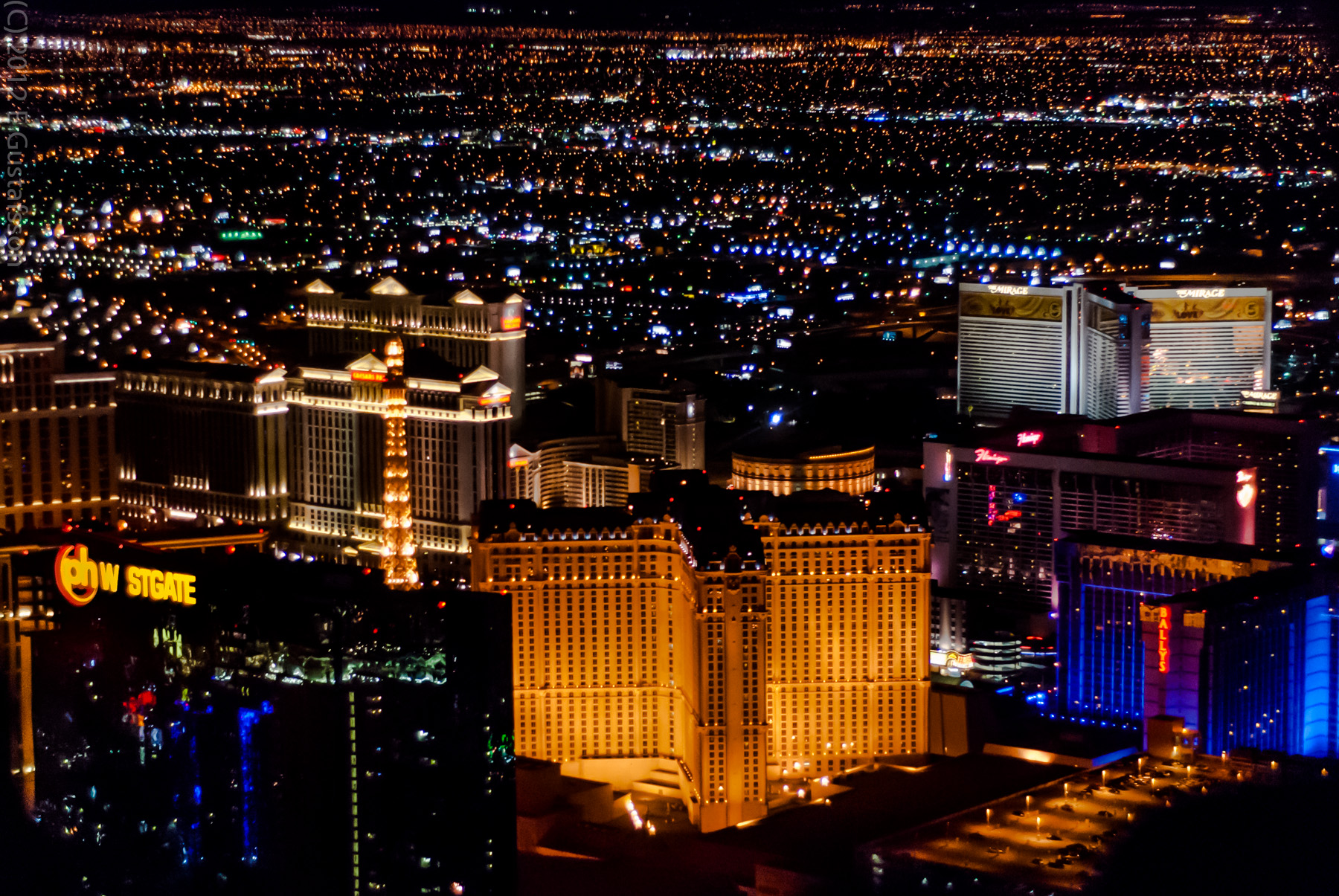
Photo: Eje Gustafsson / Wikimedia Commons, CC BY 2.0
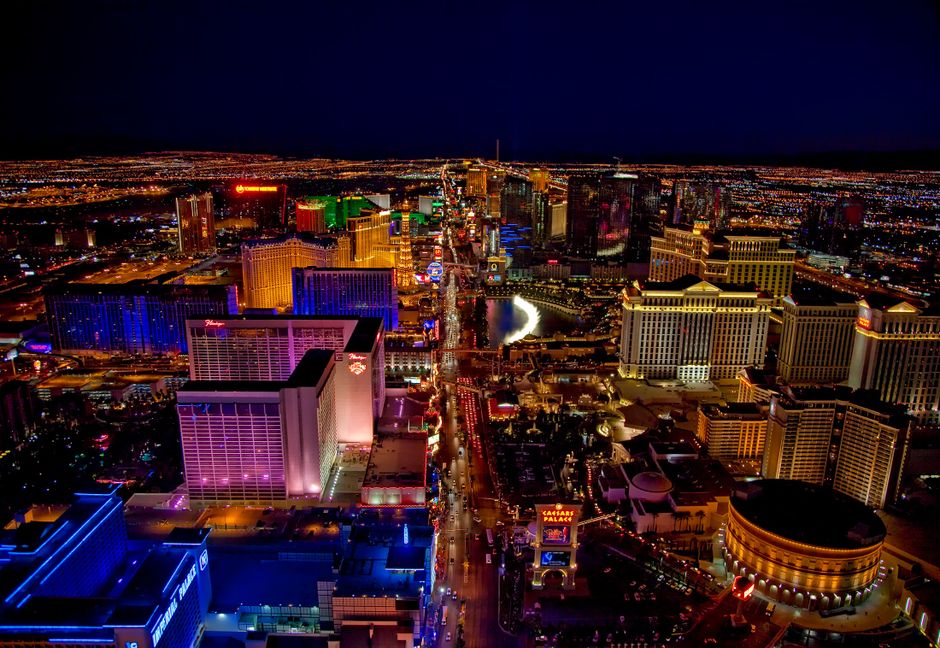
Photo: Pixabay / Pexels, Pexels License
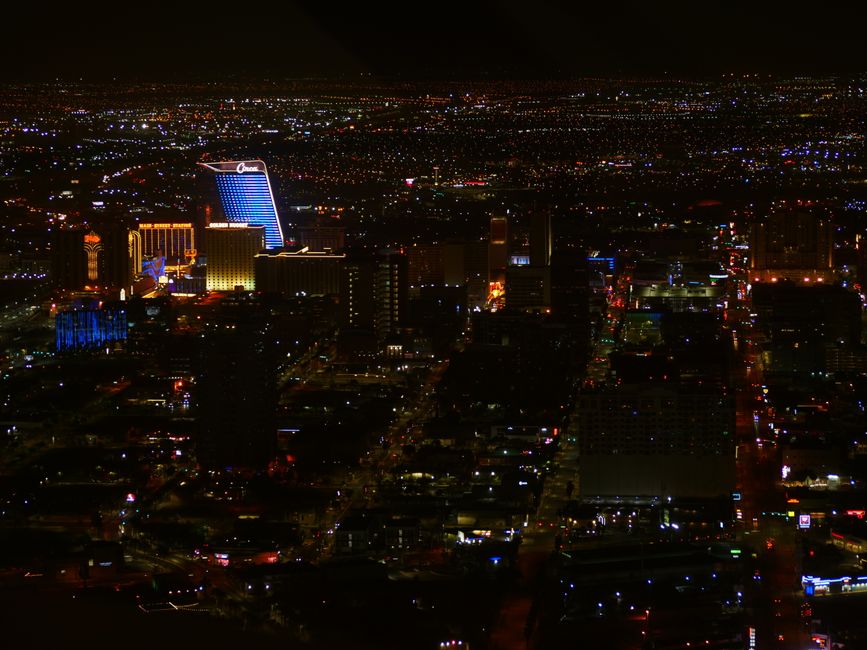
Photo: Bruno Storchi Bergmann / Pexels, Pexels License
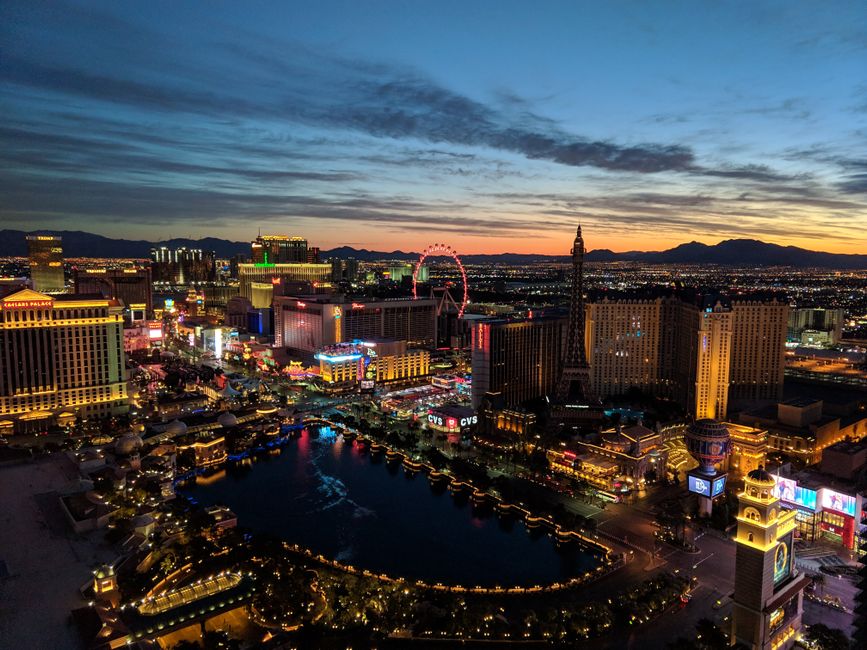
Photo: Hejaar / Pexels, Pexels License
There is a version of Las Vegas that belongs only to the night, and the only way to truly possess it is from above. As dusk deepens into dark and the Strip ignites in its full neon glory — millions of LEDs, searchlights sweeping the sky, the Bellagio fountains lit from below like liquid fire — a helicopter gives you a view that no hotel window, no observation deck, no photograph can replicate. You are suspended above the most extravagant light show on Earth, and it belongs entirely to you for the duration of the flight.
Flying at around five hundred feet, the pilot traces the length of the Strip from Mandalay Bay in the south to the Stratosphere in the north, then loops out over Fremont Street where the old neon of downtown blazes in its own particular style. The MGM Grand's green glow, the pyramid of the Luxor sending its beam straight into space, the Eiffel Tower replica lit in gold — from up here the sheer ambition of this city is almost comic, and completely magnificent. Your fellow passengers are pressed to the glass, phones recording, voices reduced to the occasional breathless exclamation.
The night helicopter tour is the most romantic way to experience Las Vegas and one of the most dramatic. For couples, anniversaries, proposals, or simply a shared moment of wonder, this flight delivers without reservation. Even for solo travellers or groups of friends, the sight of the Strip from altitude in the dark is something the brain files permanently under moments that mattered. Book the late flight — full dark, full lights, no compromise.
Grand Canyon helicopter tour from Las Vegas
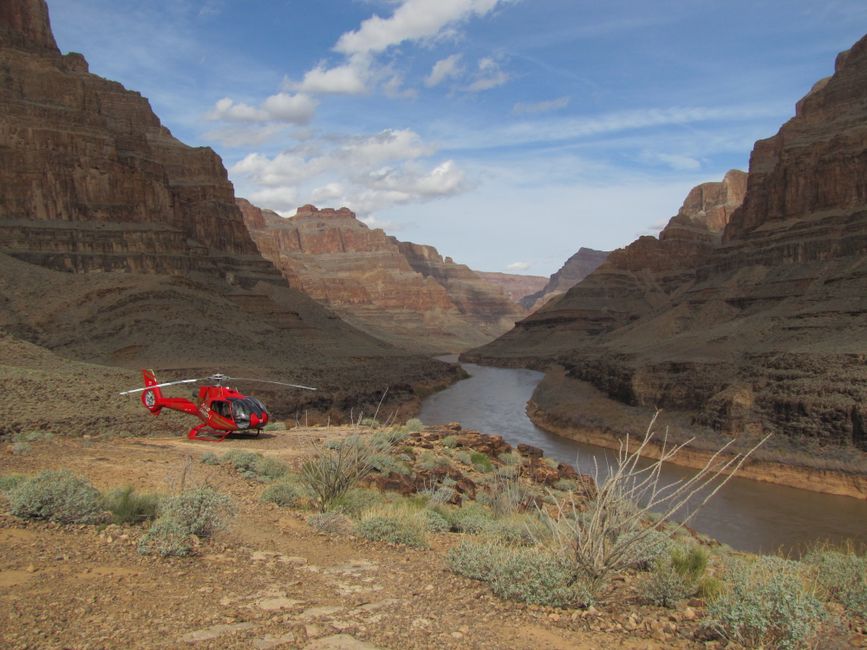
Photo: Alexandre Henry Alves / Pexels, Pexels License
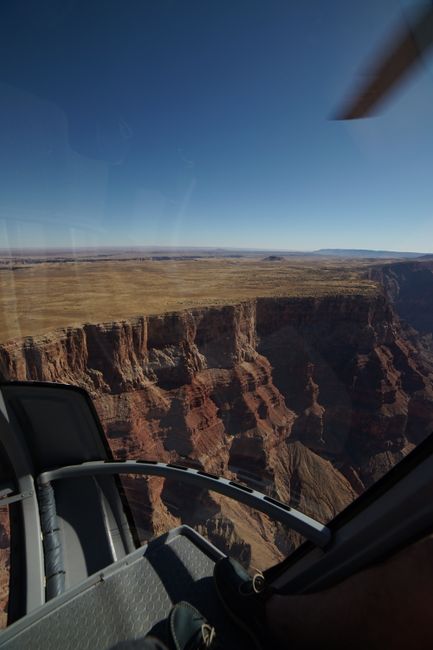
Photo: Rockwell branding agency / Pexels, Pexels License
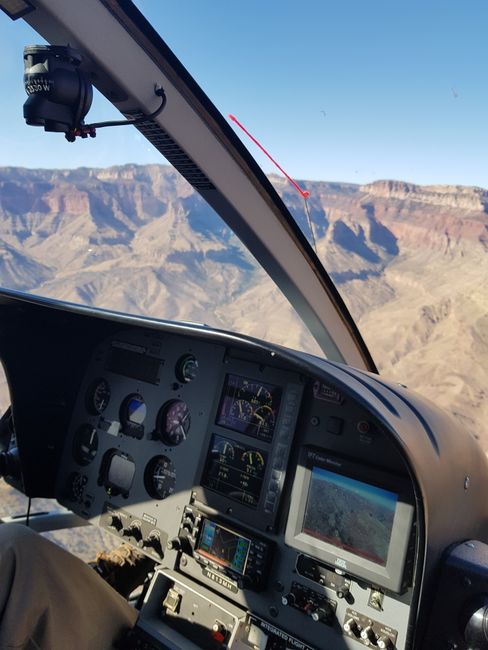
Photo: Rockwell branding agency / Pexels, Pexels License
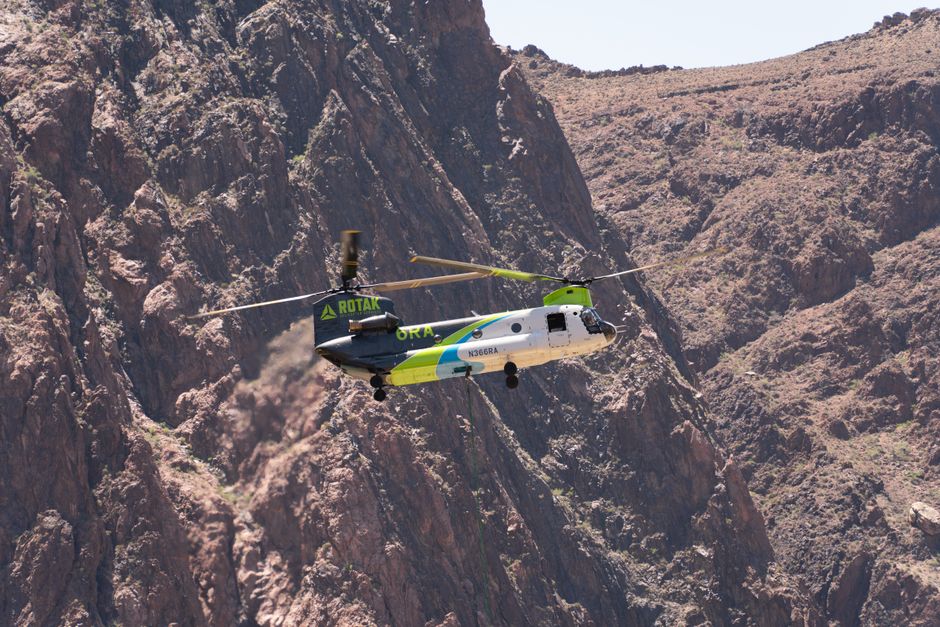
Photo: Alex Moliski / Pexels, Pexels License
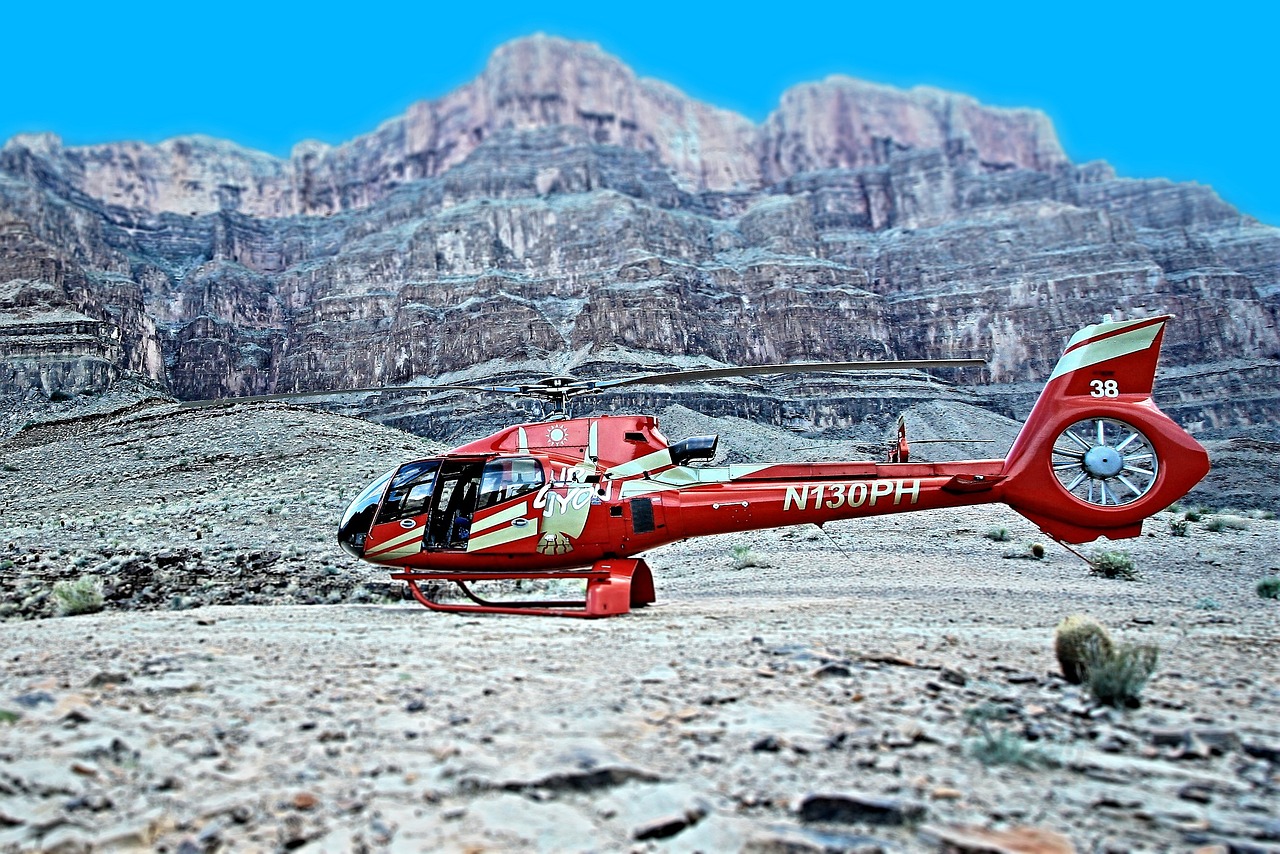
Photo: ducken99 / Pixabay, Pixabay License
The Grand Canyon is one of those places that photographs have made almost too familiar — you think you know what it looks like before you arrive. The helicopter changes that completely. Rising from the Las Vegas helipad and flying to the South or West Rim, the landscape transitions beneath you from desert basin to high plateau, and then without warning the earth simply opens up — a chasm 277 miles long, up to 18 miles wide, and more than a mile deep, carved from rock that in places is nearly two billion years old. No photograph has ever adequately conveyed this. The helicopter does.
Some tours descend to the canyon floor, landing beside the Colorado River for a champagne picnic with vertical walls of ancient rock rising on every side — a perspective so otherworldly that conversations tend to stop and people just stand and stare. Others hover at the rim for photography before returning to altitude, the canyon retreating beneath you like a wound in the earth slowly closing. Either way, the pilot's narration provides geological and historical context that transforms a visual spectacle into something genuinely educational, though the education is almost beside the point when the scenery is this extraordinary.
This is the tour that belongs on every Las Vegas itinerary, full stop. It is one of the few experiences that delivers more than it promises — visitors consistently report that the Grand Canyon from a helicopter exceeded every expectation, even those built up by a lifetime of photographs and documentaries. If you're going to spend money on one experience during your trip, spend it here. The canyon is only four hours away by car, but by helicopter it is an entirely different world.
Hoover Dam aerial tour — what to expect
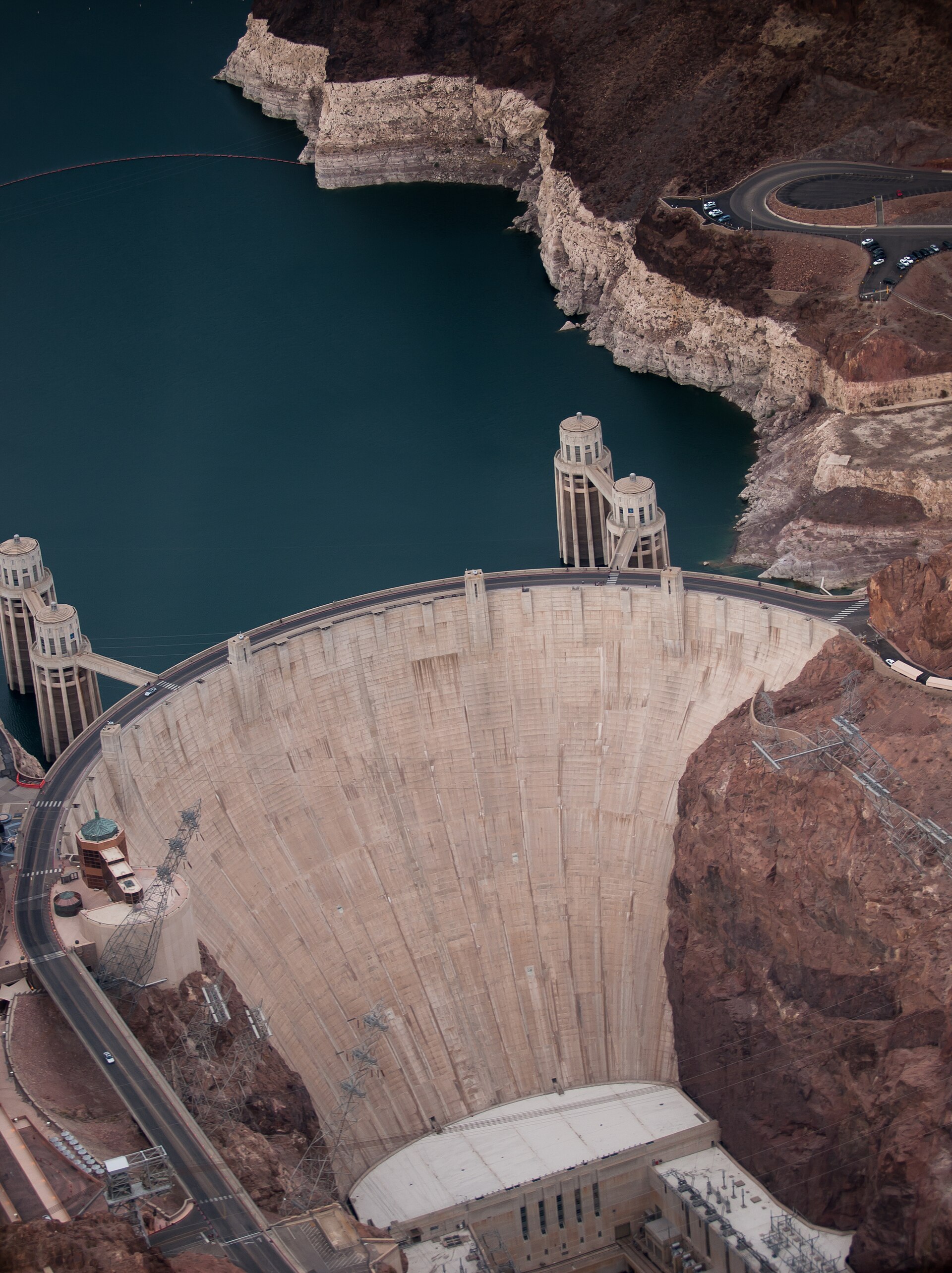
Photo: William Warby from London, England / Wikimedia Commons, CC BY 2.0
Photo: Ken Lund from Reno, Nevada, USA / Wikimedia Commons, CC BY-SA 2.0
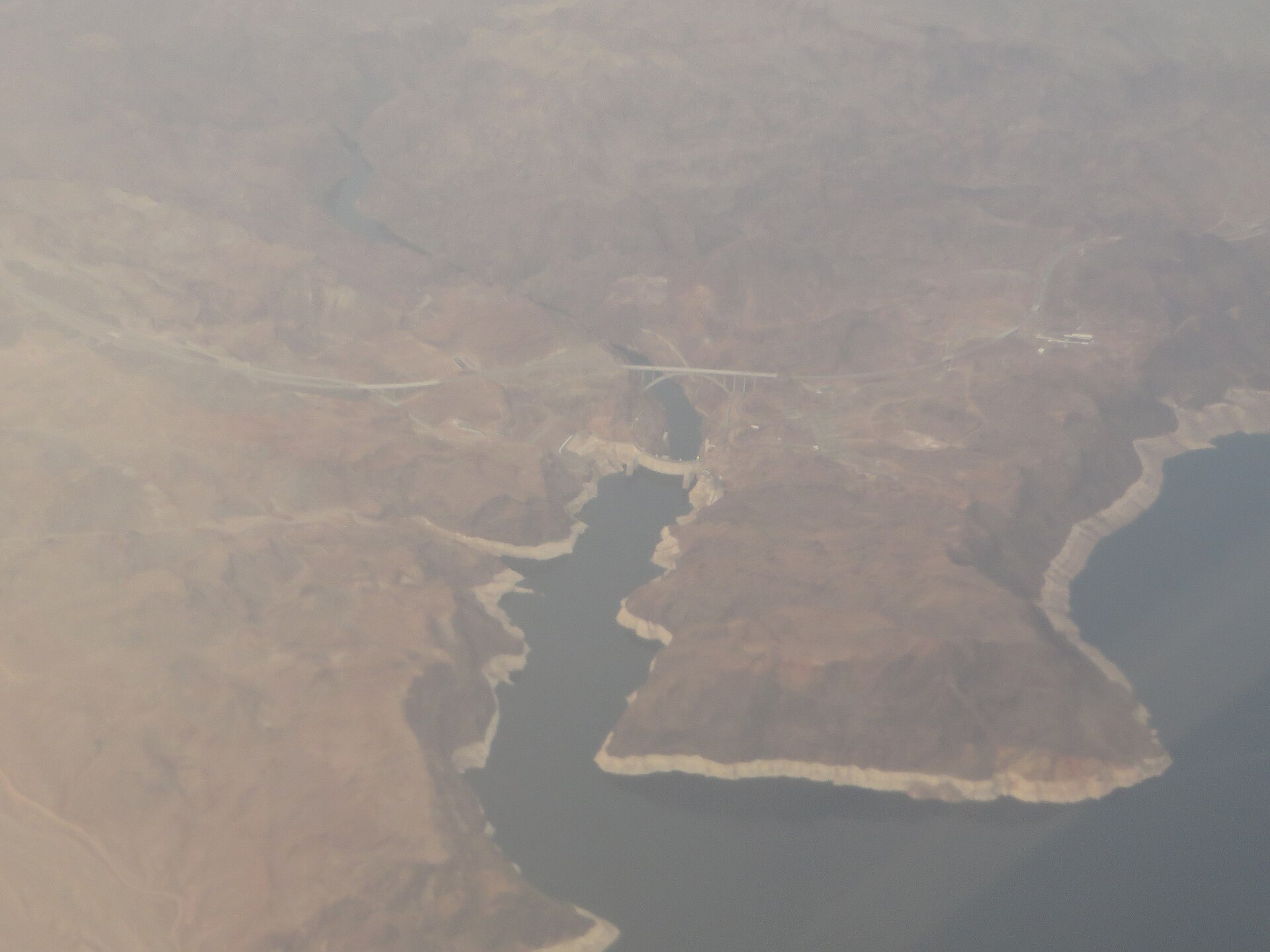
Photo: Ken Lund from Reno, Nevada, USA / Wikimedia Commons, CC BY-SA 2.0
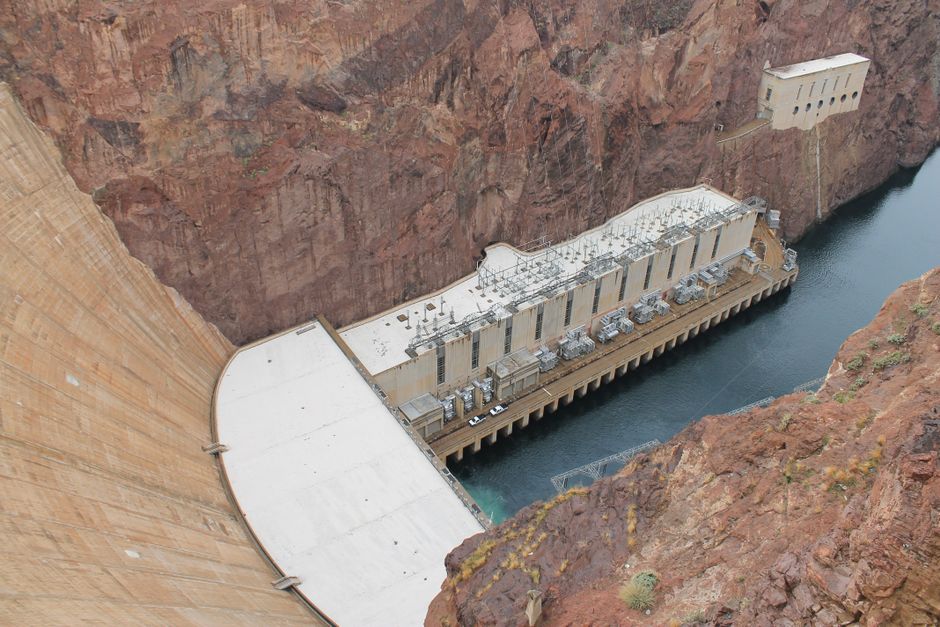
Photo: Pixabay / Pexels, Pexels License
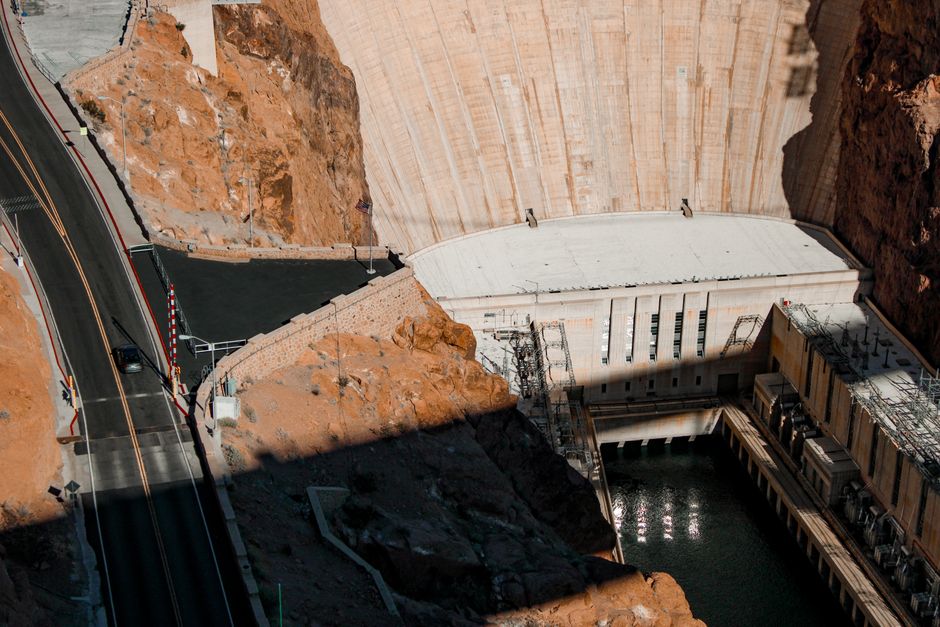
Photo: Luana Scorsoni / Pexels, Pexels License
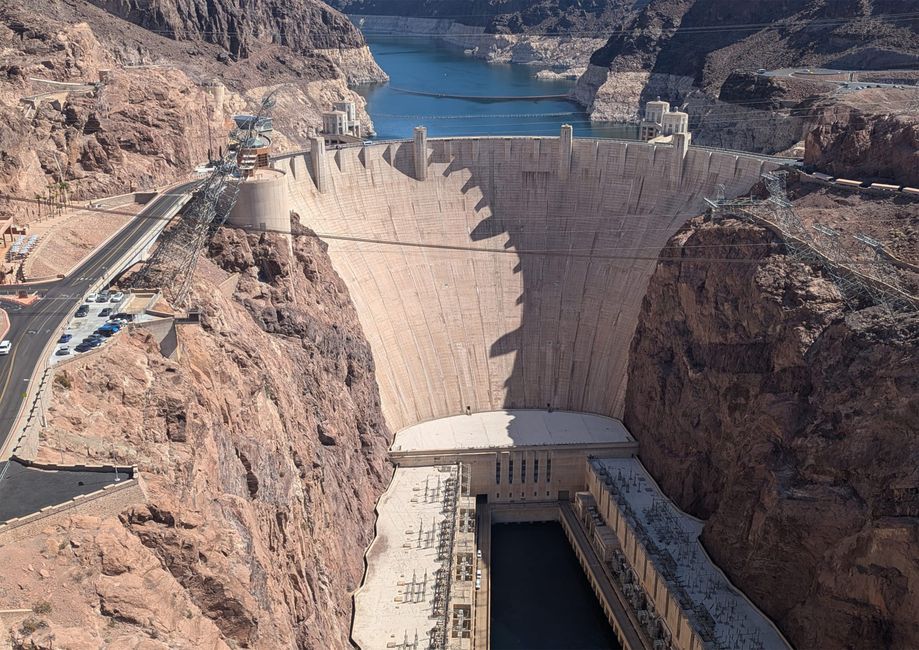
Photo: john mckenna / Pexels, Pexels License
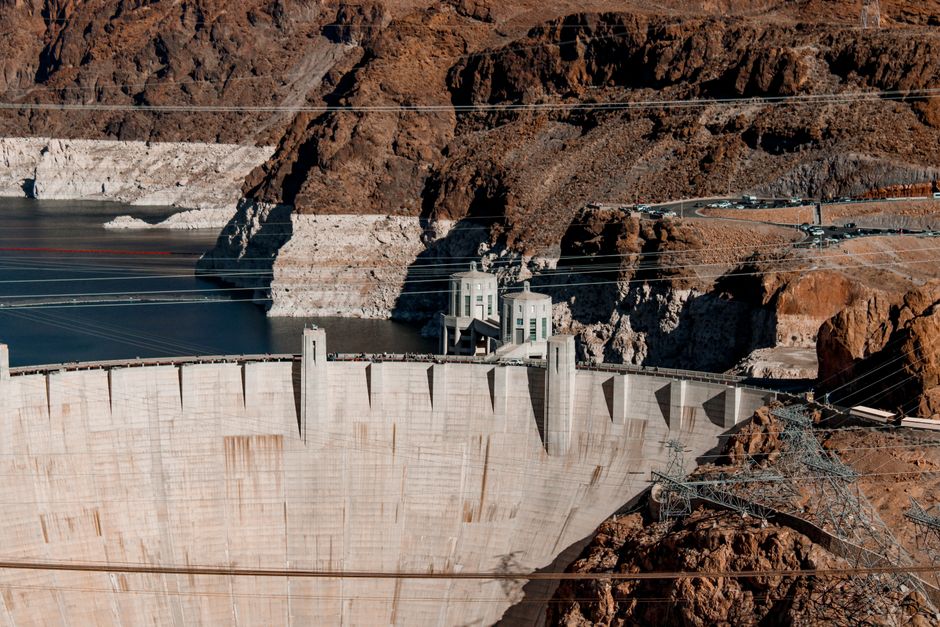
Photo: Luana Scorsoni / Pexels, Pexels License
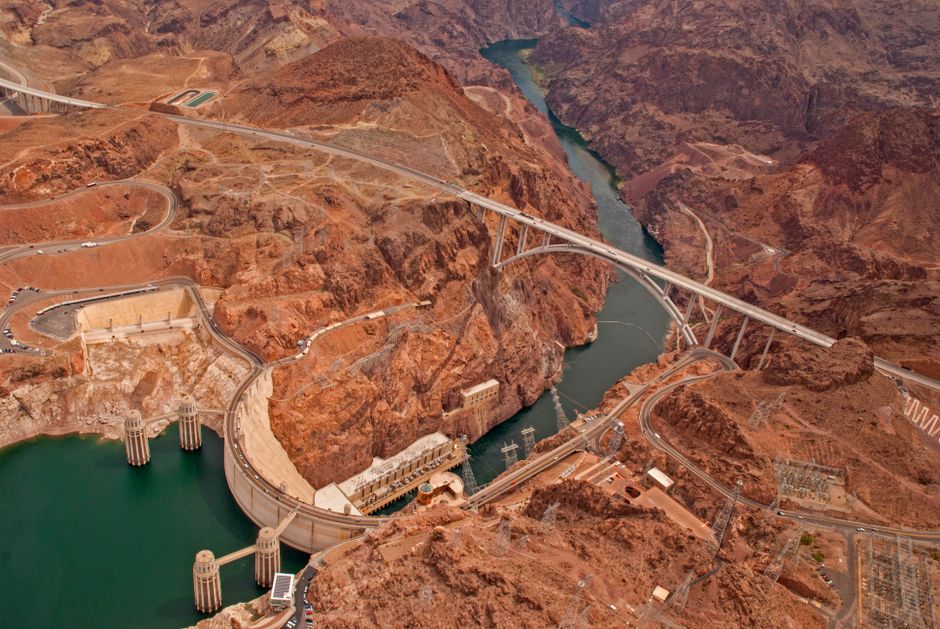
Photo: Karl MPhotography / Pexels, Pexels License
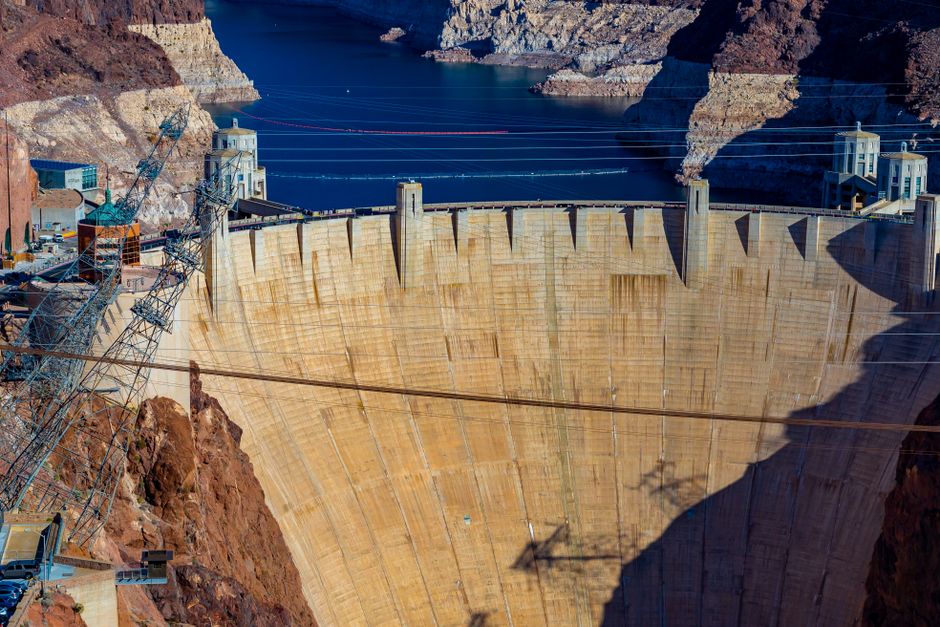
Photo: Dustin Konrad / Pexels, Pexels License
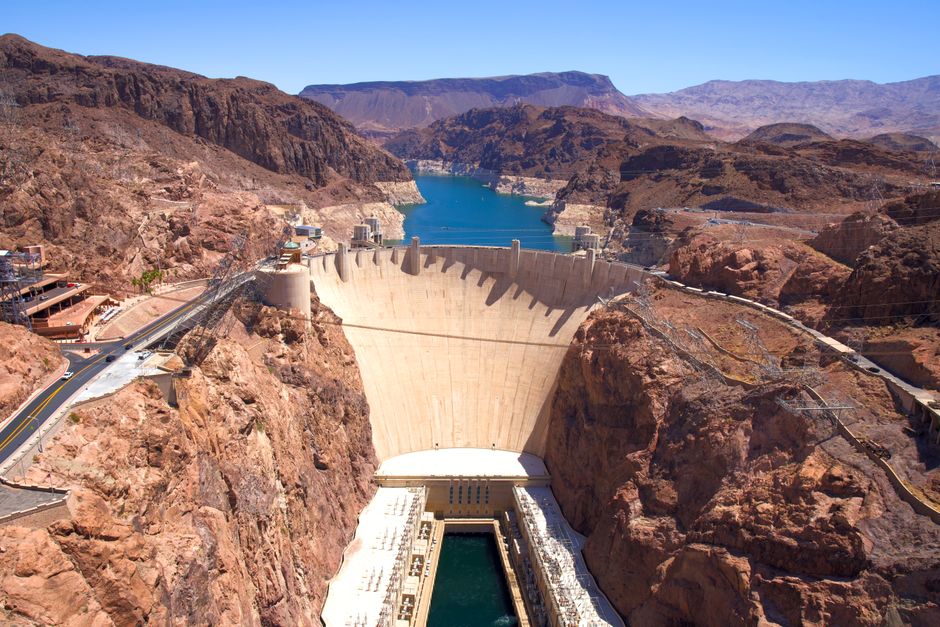
Photo: Joshua Wade / Pexels, Pexels License
From the ground, Hoover Dam is undeniably impressive — 726 feet of concrete holding back Lake Mead in the Black Canyon of the Colorado River. From the air, it becomes something close to miraculous. The helicopter rises from the Las Vegas Valley and tracks southeast through the desert, and as the canyon comes into view the scale of the dam's achievement reveals itself: a perfect arc of concrete between two sheer walls of volcanic rock, with the full blue expanse of Lake Mead stretching behind it and the turbulent Colorado churning below. Built during the Great Depression by thousands of workers in brutal desert heat, it looks from the air like something an ancient civilization might have left behind.
Your pilot will circle the dam and the canyon, pointing out the Nevada and Arizona intake towers, the powerhouse at the base where the turbines still generate four billion kilowatt-hours of electricity per year, and the art deco details of the dam's facing that remain extraordinary for a purely functional structure. Lake Mead's blue-green colour against the red canyon walls is jarring and beautiful, and the white calcium carbonate rings on the canyon walls — visible only from altitude — tell a vivid story about drought and the changing West.
The Hoover Dam aerial tour is perfect for history enthusiasts, engineering admirers, and anyone who wants to understand the American West beyond the casino floor. Most tours can be combined with a Strip flyover or a Grand Canyon leg for a fuller day in the air. Either way, seeing this structure from above gives you a respect for human ingenuity and ambition that a ground-level visit, however good, simply cannot match.
Air-to-air laser combat at Sky Combat Ace
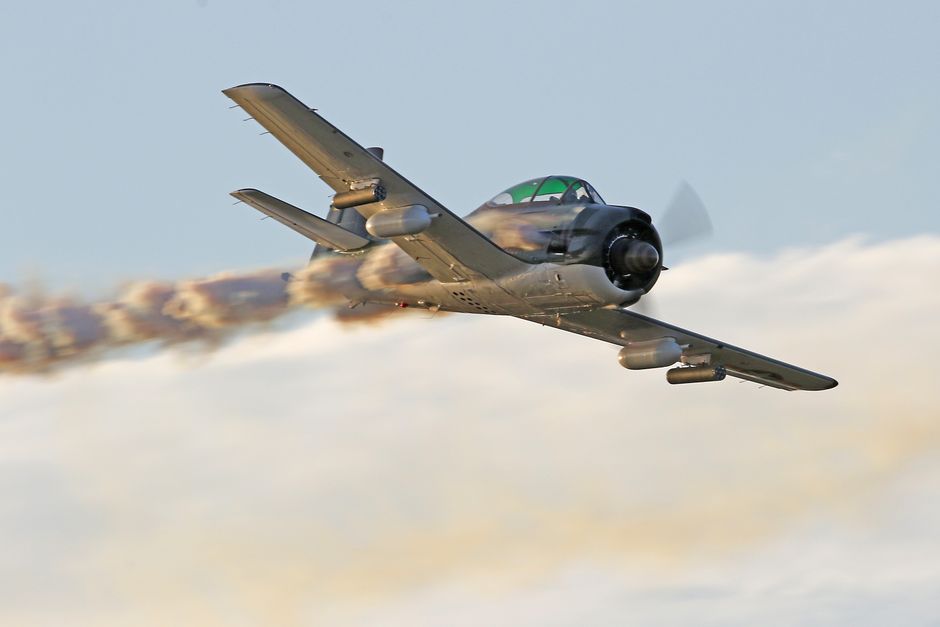
Photo: Phyllis Lilienthal / Pexels, Pexels License
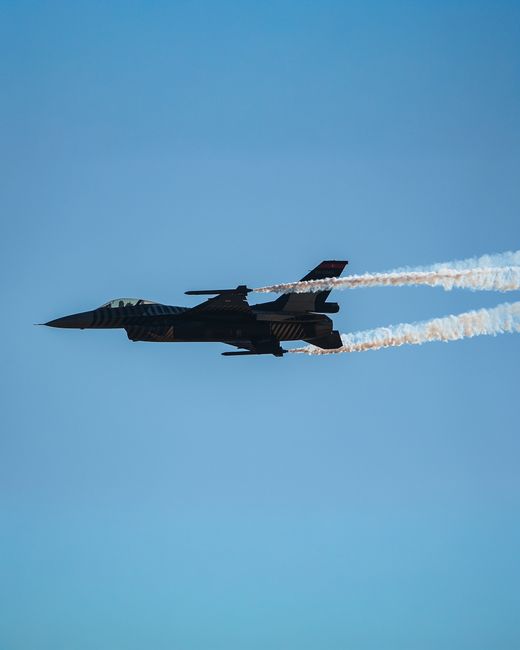
Photo: Osman Arabacı / Pexels, Pexels License
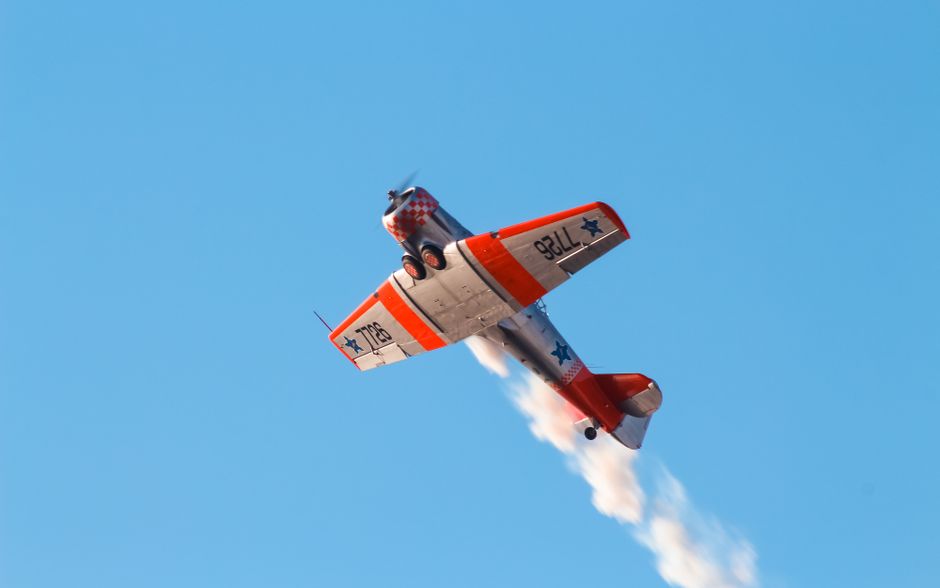
Photo: Enis Pilgir / Pexels, Pexels License
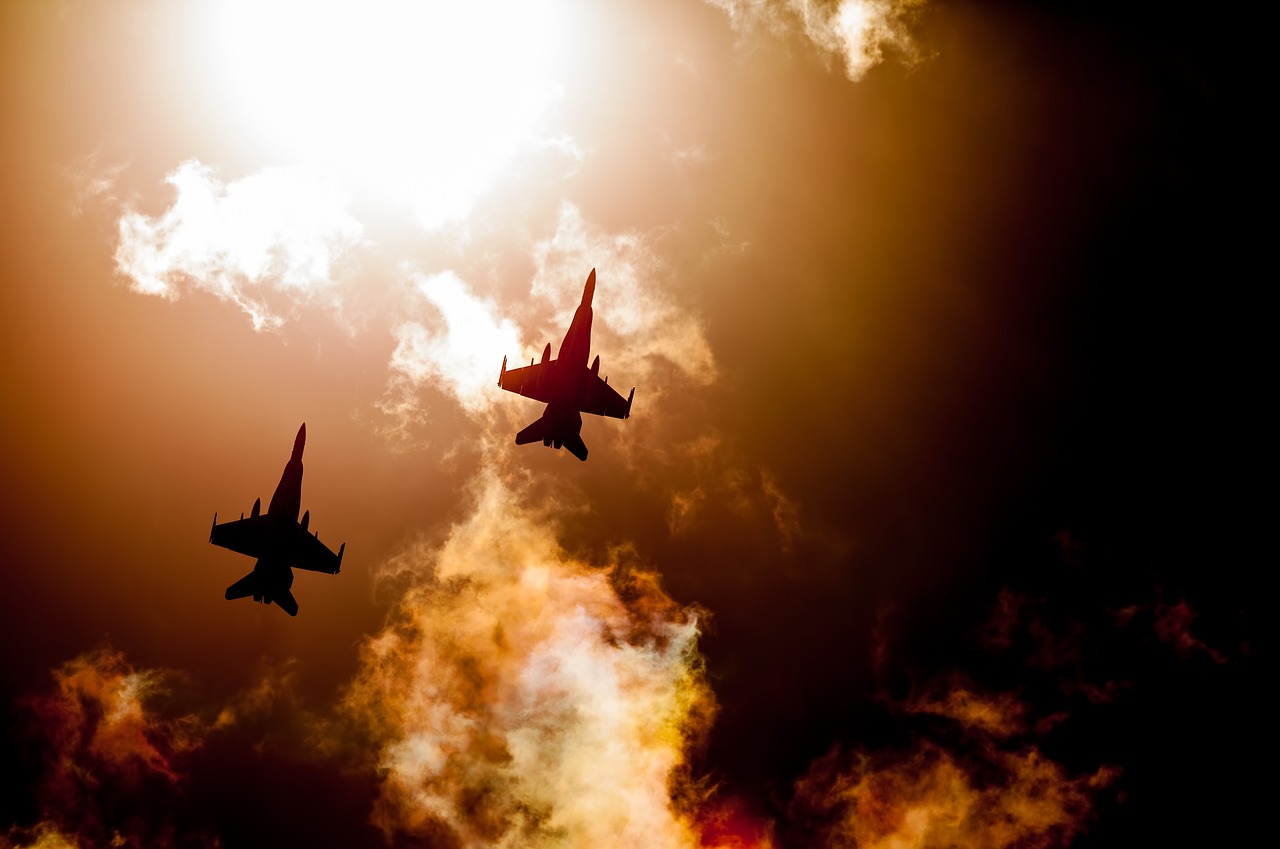
Photo: robertwaghorn / Pixabay, Pixabay License
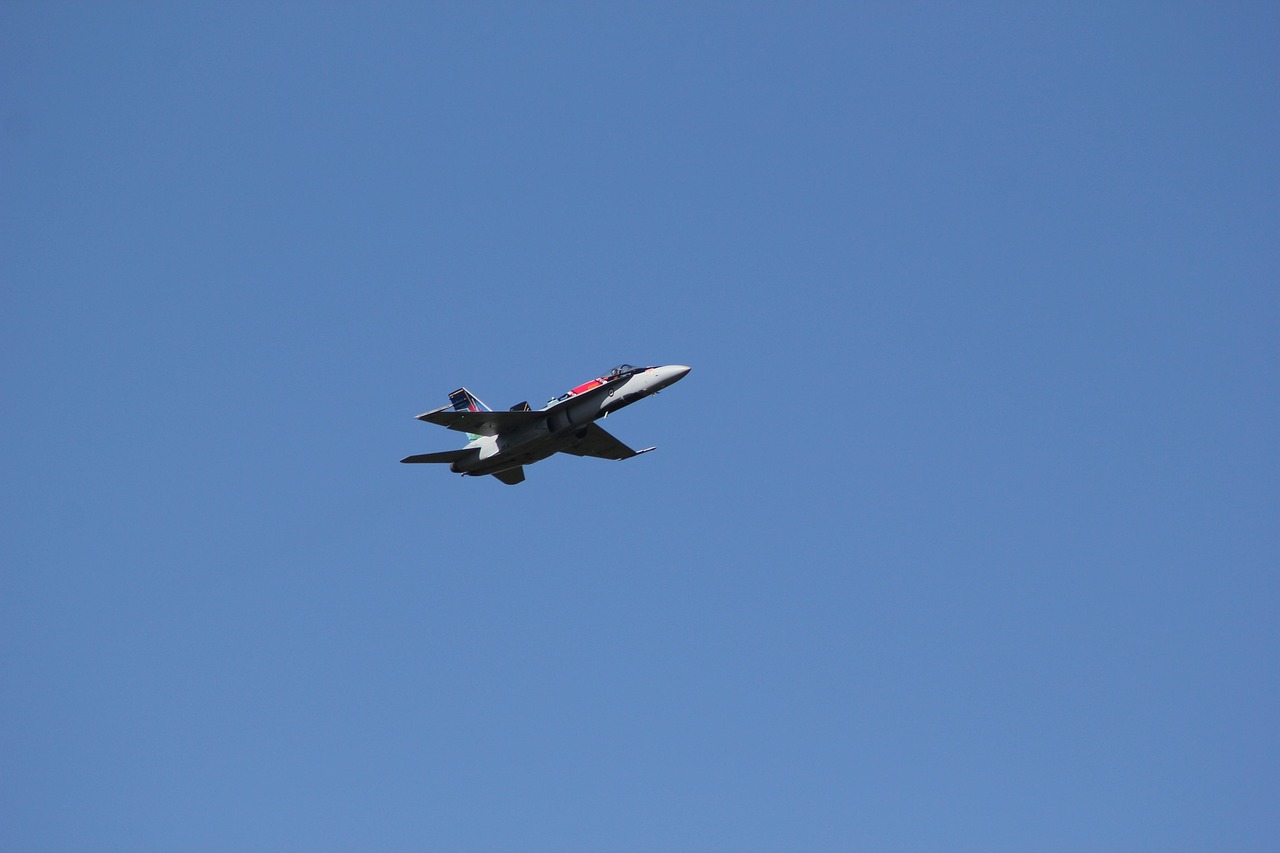
Photo: Herney / Pixabay, Pixabay License
This is not a simulation. There is no screen, no joystick clamped to a desk, no video game rendering of a dogfight. You are in an actual aerobatic aircraft, wearing an actual flight suit, with actual g-forces pinning you to your seat as you chase a second aircraft across the Nevada sky trying to keep your laser targeting system locked on the other pilot long enough to score a kill. Sky Combat Ace's air-to-air laser combat experience is the closest most civilians will ever come to understanding what fighter pilots do for a living, and it is absolutely, completely, bone-deep thrilling.
The briefing covers basic offensive and defensive maneuvers — the high side pass, the scissors, the break turn — and then you're airborne, and the other aircraft is out there somewhere in the blue. The g-forces during hard turns are genuinely physical — your vision narrows at the edges, your body feels three times its normal weight, and your hands learn to be precise in a way that ground-level life never demands. When you score a hit and the audio tone confirms it, the satisfaction is primal.
Sky Combat Ace's laser combat is the ultimate experience for competitive spirits, aviation enthusiasts, and anyone who ever looked up at an airshow and thought: I want to do that. The debrief video captures your maneuvers from multiple angles, and the bragging rights are legitimate — you flew a real aircraft in real combat maneuvering against a real opponent. That is not a thing most people get to say.
Desert Off-Road 8 activities
SunBuggy desert racing — 15,000 acres of Nevada desert
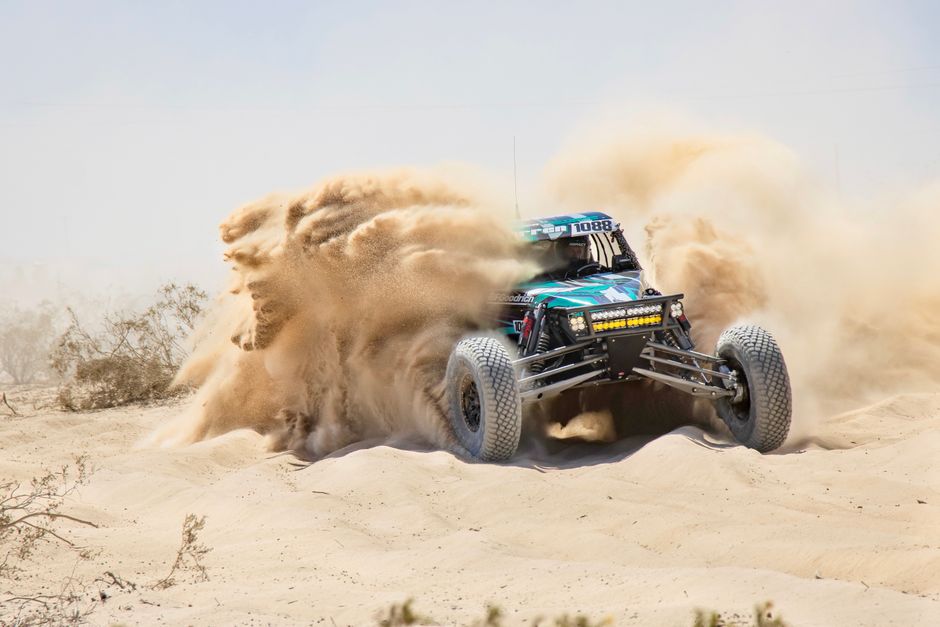
Photo: Diego Rodriguez / Pexels, Pexels License

Photo: Diego Rodriguez / Pexels, Pexels License

Photo: Fatih Dağlı / Pexels, Pexels License
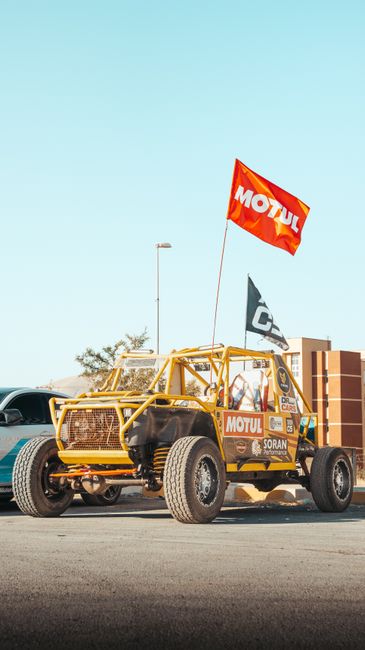
Photo: Redyar Rzgar / Pexels, Pexels License
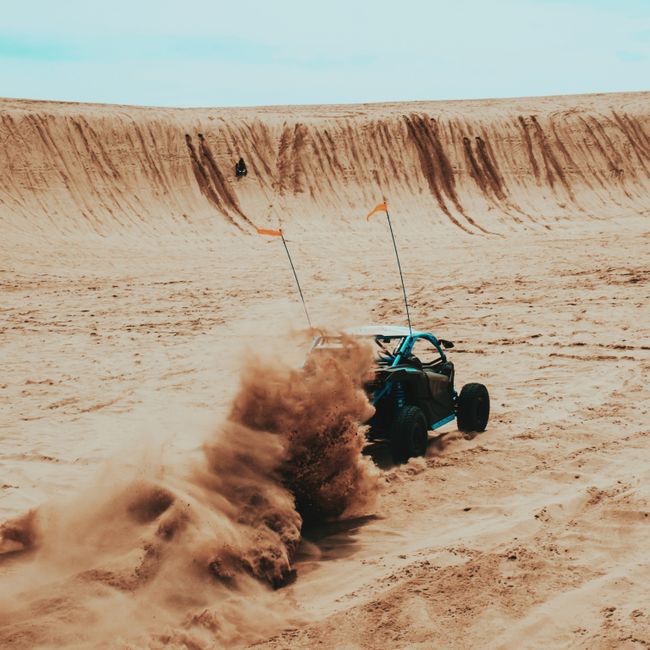
Photo: Aleksey Kuprikov / Pexels, Pexels License

Photo: Diego Rodriguez / Pexels, Pexels License
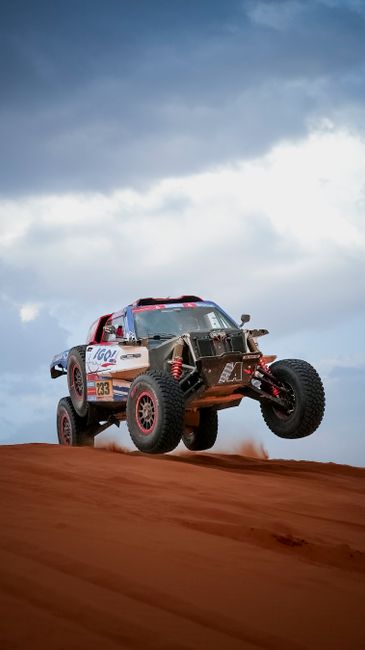
Photo: Fatih Dağlı / Pexels, Pexels License
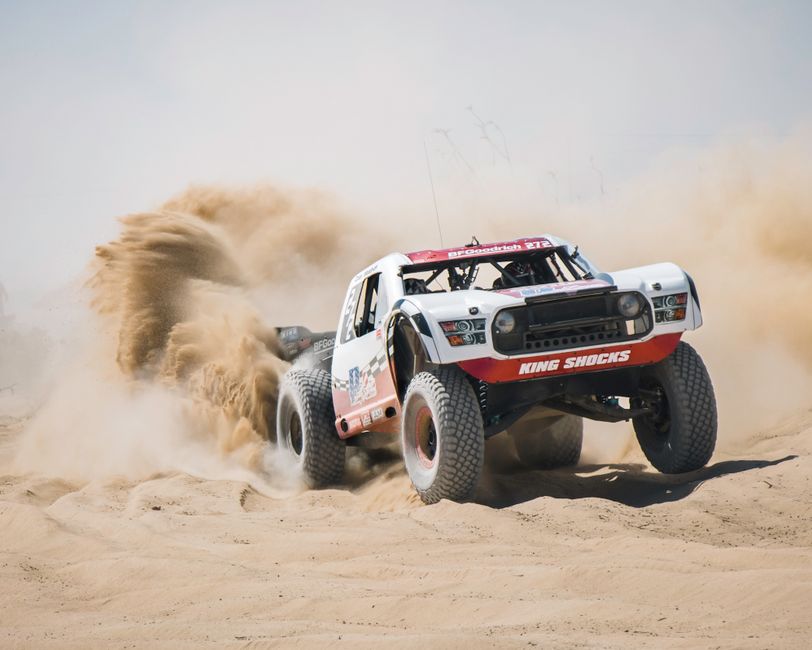
Photo: Diego Rodriguez / Pexels, Pexels License
Fifteen thousand acres of raw Nevada desert, a purpose-built racing buggy with a roll cage, and absolutely nothing between you and the horizon except sand, scrub, and whatever your right foot is willing to commit to. SunBuggy is the defining off-road experience of the Las Vegas area, giving customers real machines, real terrain, and real speed — not a guided convoy crawling along a groomed trail, but actual desert racing on a course designed to challenge, excite, and occasionally terrify. The briefing takes fifteen minutes. Then the flag drops.
The buggies are purpose-engineered for this terrain — wide stance, high clearance, aggressive tyres, and a throttle response that rewards confidence and punishes timidity. The desert floor is not flat: there are crests where you briefly leave the ground, berms that demand commitment to carry speed through, and long straights where the speedometer climbs into territory that makes the helmet feel like a very good investment. Dust billows behind you in a rooster tail, the engine howls, and the Spring Mountains hover on the horizon as context and scale.
SunBuggy caters to all experience levels, from first-timers to experienced off-road drivers, and the course complexity can be adjusted accordingly. It's a legitimate adrenaline experience that sits alongside helicopter tours and skydiving as something Las Vegas does better than almost anywhere else on Earth. Bring sunglasses, dress for dust, and leave your inhibitions in the hotel room — the desert doesn't reward them and neither does this course.
ATV tour through Nellis Dunes — beginner guide
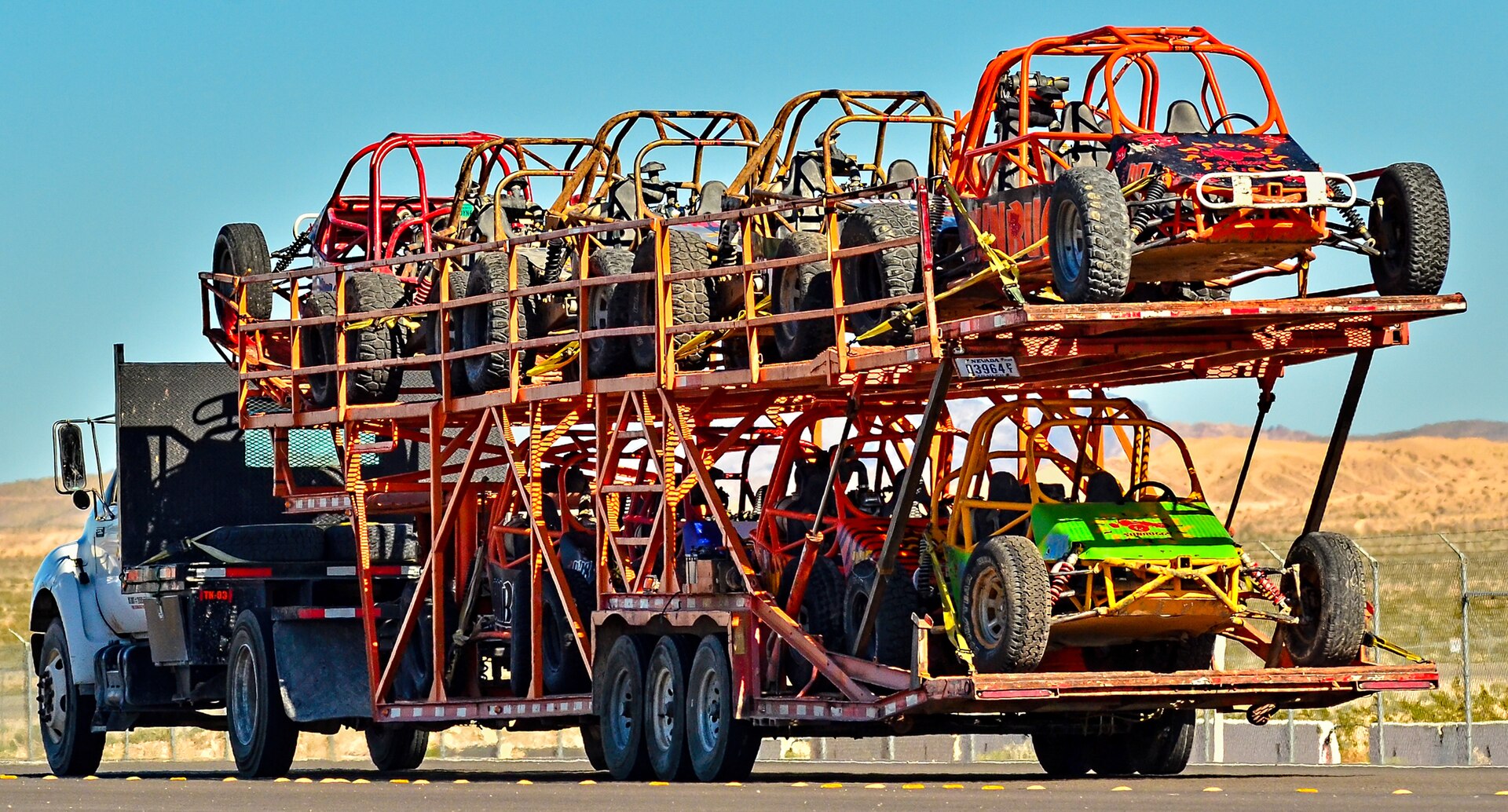
Photo: Tomás Del Coro from Las Vegas, Nevada, USA / Wikimedia Commons, CC BY-SA 2.0
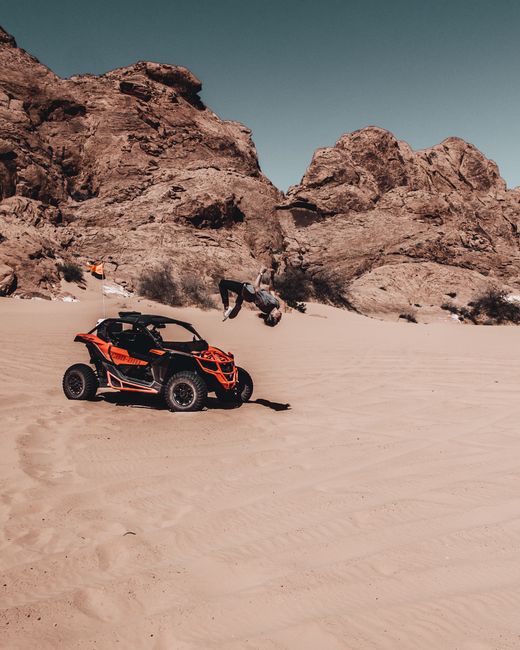
Photo: Levi Vaagenes / Pexels, Pexels License
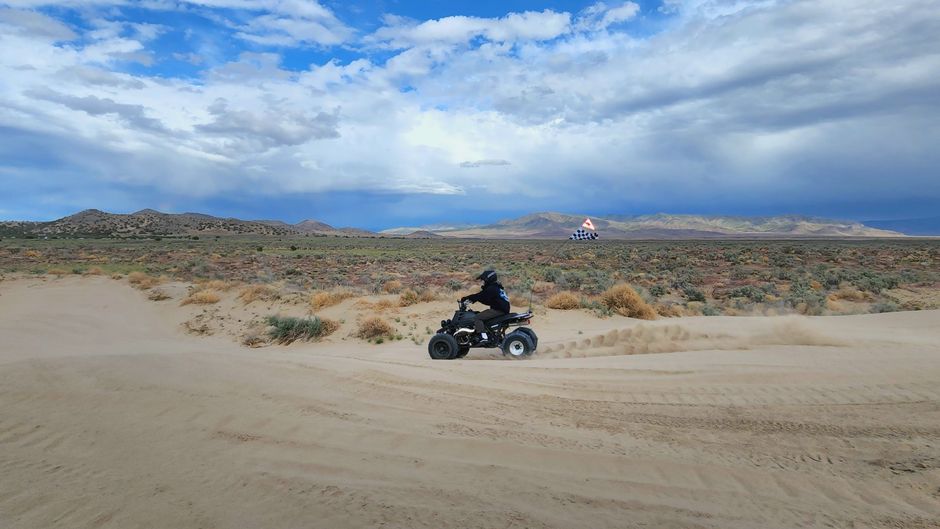
Photo: Heather Park / Pexels, Pexels License
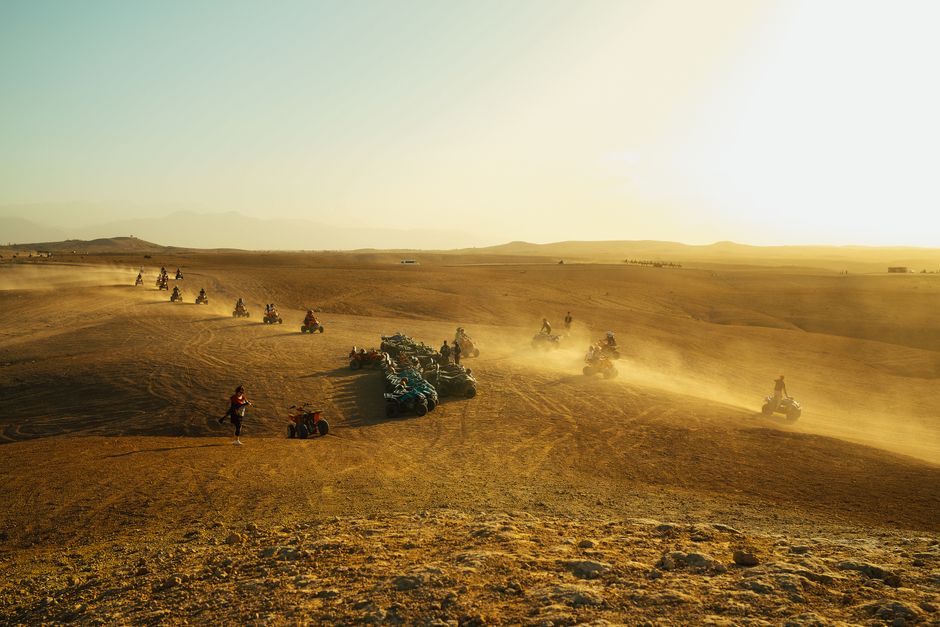
Photo: Diji Aderogba / Pexels, Pexels License
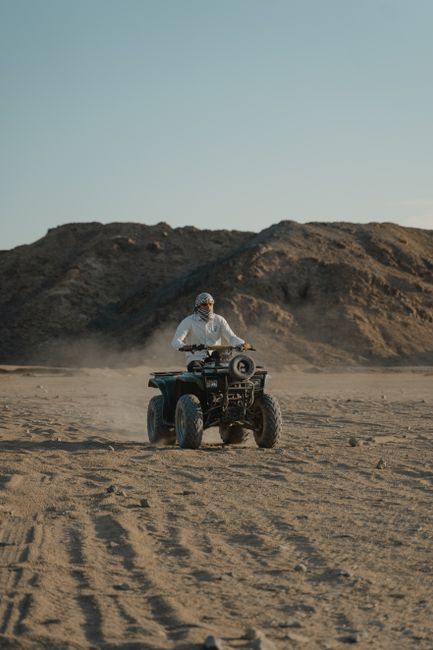
Photo: Tima Miroshnichenko / Pexels, Pexels License
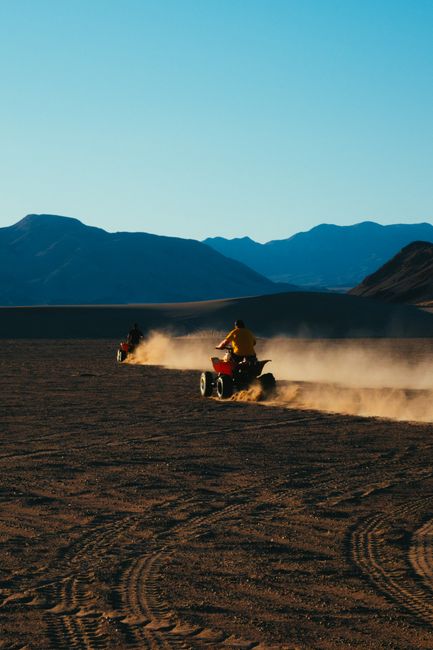
Photo: Athena Sandrini / Pexels, Pexels License

Photo: Dilan Ferreira / Pexels, Pexels License

Photo: Tima Miroshnichenko / Pexels, Pexels License

Photo: Mikhael Mayim / Pexels, Pexels License
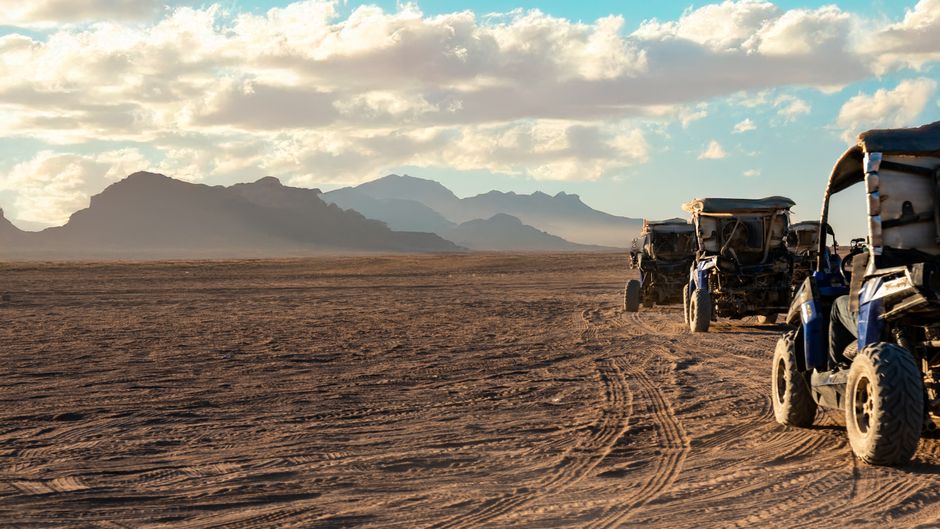
Photo: Septimiu Lupea / Pexels, Pexels License
The Nellis Dunes Recreation Area sits just north of the Las Vegas city limits, and the moment you crest the first rise on your ATV and the dunes spread out before you — rolling sand hills up to sixty feet high, sculpted by wind into perfect curves against a blue Nevada sky — you understand why this is one of the most popular off-road destinations in the American Southwest. The guided ATV tour is designed specifically for beginners: the pace is manageable, the guide is experienced, and the terrain introduces you to sand riding gradually rather than throwing you into the deep end.
ATVs handle differently from anything most people have driven — the throttle response is immediate, the steering is direct, and the way the machine settles into loose sand requires a slightly different technique than hard-packed dirt. Your guide demonstrates each skill before you try it: how to read the slope of a dune face, how to carry momentum through a flat turn, how to use body weight to balance the machine on a traverse. Once those basics click, riding becomes intuitive and the focus shifts from technique to the landscape — vast, quiet, and ancient-feeling in a way that the Strip, twenty minutes away, absolutely is not.
This tour is ideal for families, couples, groups of friends, and solo adventurers who want an authentic outdoor experience without requiring prior expertise. The combination of accessibility, genuine terrain, and proximity to the Strip makes it one of the best-value adventures in the Las Vegas area. Come in the morning when the light is low and the shadows define the dune shapes most dramatically.
Off-road UTV experience at Adrenaline Mountain
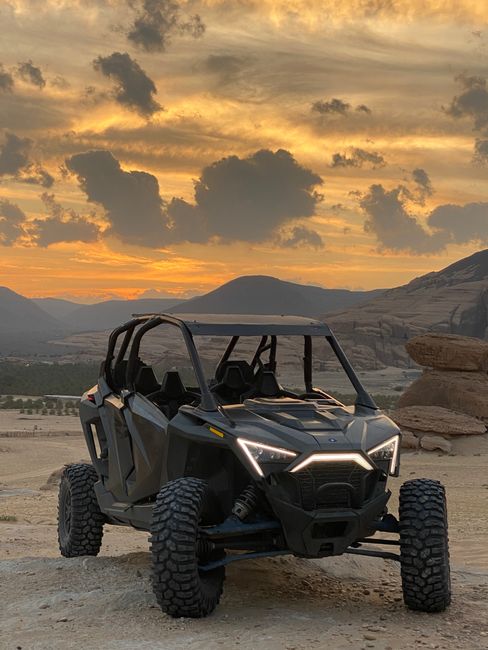
Photo: Dahoum Zidan / Pexels, Pexels License
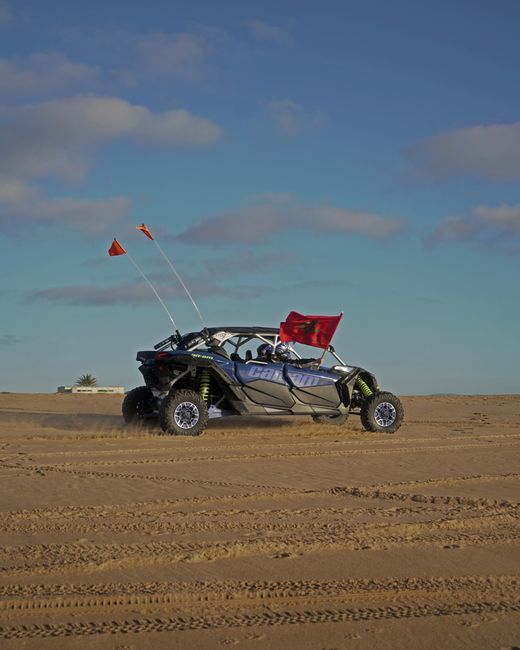
Photo: Sulaiman Afrij / Pexels, Pexels License

Photo: Denys Gromov / Pexels, Pexels License
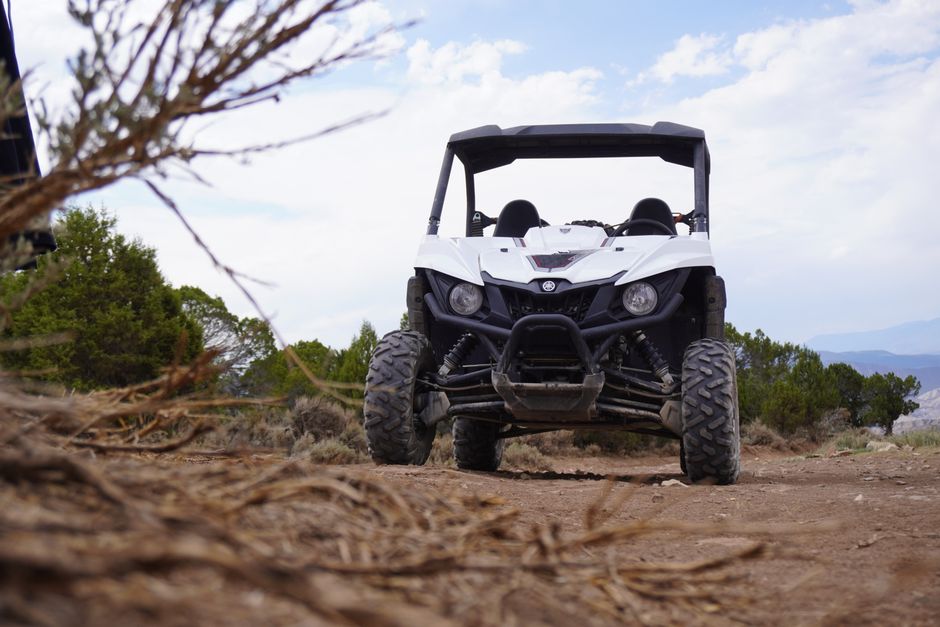
Photo: moishy / Pexels, Pexels License

Photo: Frank Dorado / Pexels, Pexels License

Photo: Arctic_Foto / Pixabay, Pixabay License
A UTV — utility terrain vehicle — is what happens when someone takes an ATV and decides to make it faster, wider, more powerful, and capable of carrying a passenger so both of you can experience the thrill simultaneously. Adrenaline Mountain's UTV experience deploys these machines on terrain that lives up to the facility's name: rocky trails with genuine technical challenges, fast open sections, and elevation changes that put the Las Vegas Valley on dramatic display below. This is not a gentle introduction to off-roading. This is the real thing.
Side-by-side UTVs are essentially open-cab buggy-style vehicles with a roll cage, harness belts, and enough suspension travel to absorb impacts that would destroy a normal vehicle. They handle confidently at speed — the whoops sections reward momentum, the rock crawl sections reward precision, and the high-speed desert straights reward the willingness to commit fully to the throttle. Dust, noise, and genuine physical sensation are all part of the package, and the whole experience has an immediacy that no screen-based simulation can approach.
Adrenaline Mountain offers the kind of big-sky, wide-open terrain that makes the American Southwest genuinely unique. The UTV experience is perfect for thrill-seekers, off-road enthusiasts upgrading from ATV experiences, and anyone who wants to feel the desert beneath their wheels rather than through a car window. Bring a friend — the side-by-side format means the passenger gets the full experience too, including occasional involuntary gasps on the bigger impacts.
Mojave Desert off-road adventure — full day guide
The Mojave Desert is not empty. That's the first thing you discover on a full-day off-road adventure through this ancient landscape — it's layered with geology, biology, history, and a particular quality of silence that exists nowhere else. Ancient dry lakebeds shimmer white in the distance. Joshua trees punctuate the scrubland with their improbable silhouettes. The Kelso Dunes rise three hundred feet from the desert floor without warning. And threading through all of it on an ATV or UTV, the Mojave reveals itself as one of the most dramatic natural environments within reach of any major American city.
A full-day guide structures the experience to cover maximum terrain while building your skills progressively. Morning hours tackle the technical sections — rocky trails, washes, and gradients that demand attention. Midday opens into faster desert riding where the horizon extends to distant mountain ranges. The afternoon often includes access to areas closed to standard vehicles — ancient lava flows, canyon sections, desert playas — that make the full-day investment obviously worthwhile. A packed lunch, plenty of water, and a proper dust mask are provided.
This is the experience for people who want to genuinely understand the desert around Las Vegas rather than viewing it as an inconvenient backdrop to the city. The Mojave has been shaping human life in this region for fifteen thousand years, and spending a full day moving through it off-road and unconfined gives you a relationship with the landscape that no bus tour or car window can provide.
Desert buggy racing — what happens when it rolls?
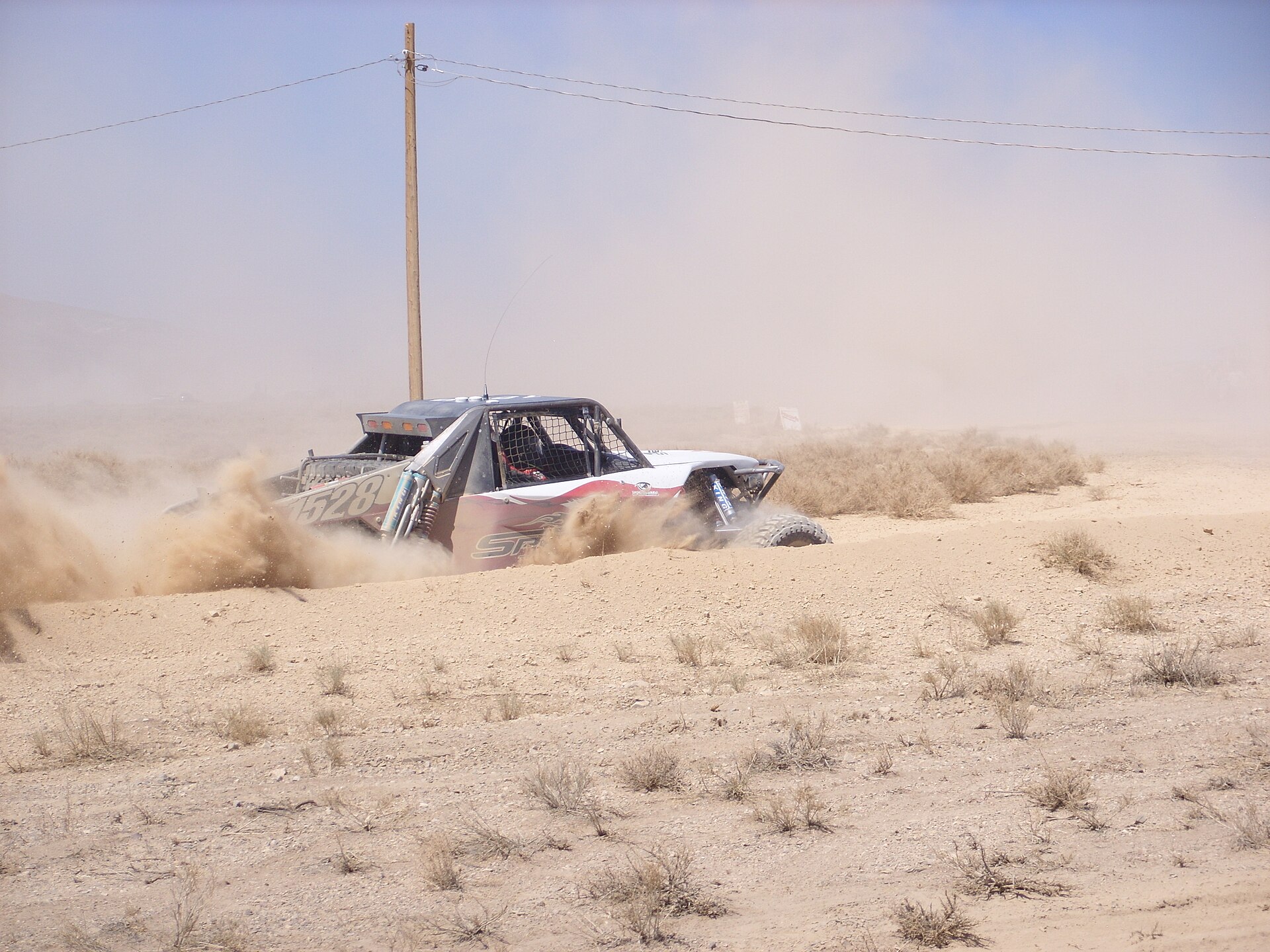
Photo: Steven Harrell / Wikimedia Commons, CC BY-SA 2.0
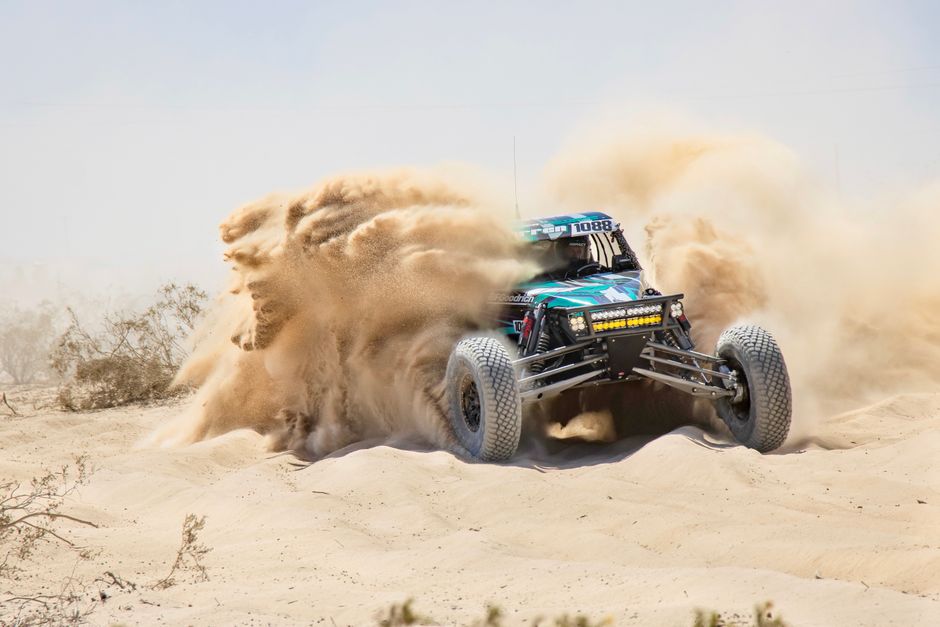
Photo: Diego Rodriguez / Pexels, Pexels License

Photo: Denys Gromov / Pexels, Pexels License

Photo: Fatih Dağlı / Pexels, Pexels License
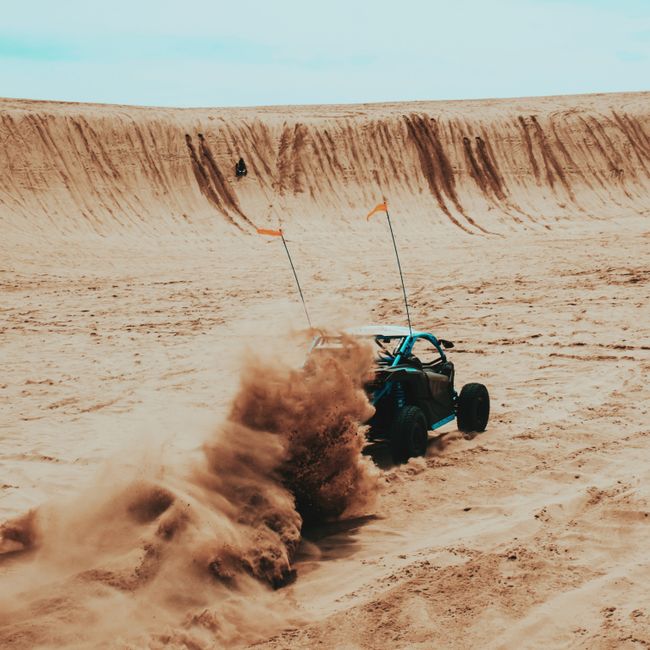
Photo: Aleksey Kuprikov / Pexels, Pexels License
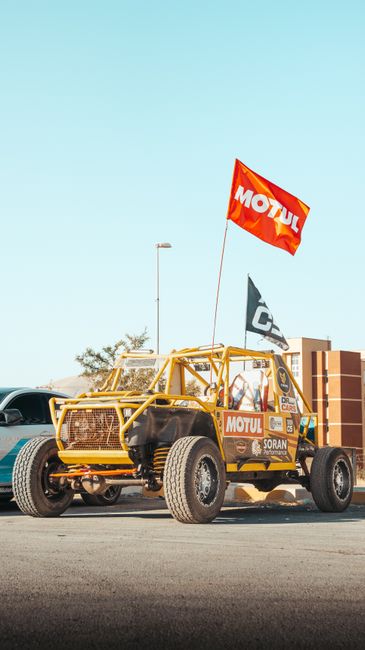
Photo: Redyar Rzgar / Pexels, Pexels License

Photo: Quang Nguyen Vinh / Pexels, Pexels License

Photo: Spencer Davis / Pexels, Pexels License
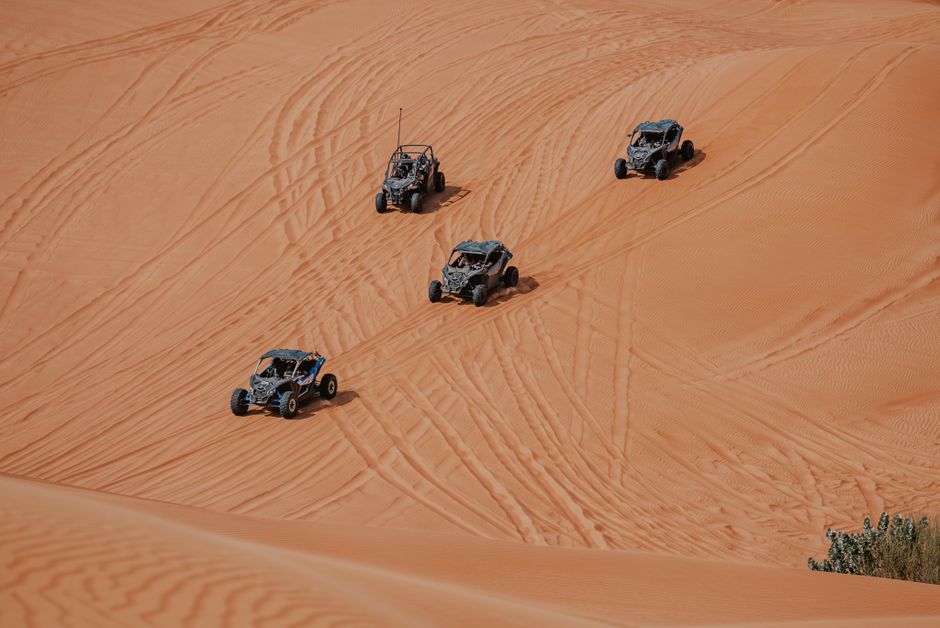
Photo: Denys Gromov / Pexels, Pexels License

Photo: Spencer Davis / Pexels, Pexels License
The question sits in the back of every first-timer's mind as they strap into a desert buggy: what actually happens if this thing rolls? The answer is satisfying in its simplicity — the roll cage does exactly what it's designed to do, the harness holds you firmly in place, the machine comes to rest, the guide helps you right it, and you keep going. Knowing this transforms the experience from something carrying a low background anxiety into something genuinely liberating: you can push harder, corner faster, and trust the machine more completely when you understand its limits.
Desert buggies are built for punishment. The suspension absorbs impacts that would shatter a conventional vehicle. The roll cage is engineered to protect occupants across the full range of off-road incidents. The wide track and low centre of gravity make rollovers relatively rare — but the fact that the possibility exists, and that you've been briefed on it openly, adds a layer of authenticity that sanitised tourist experiences lack. You're out here in real terrain doing real off-road racing.
The desert buggy experience is for adults who want genuine adventure rather than the theme-park version of it. The speed is real. The terrain is real. The skill required — reading the surface, managing traction, carrying momentum through corners — is real. And the satisfaction of doing it competently, of finishing a run with dusty clothes and a wide grin and the knowledge that you drove that machine rather than it driving you, is something that stays with you long after you've returned the helmet.
Area 51 guided tour from Las Vegas
The most classified piece of real estate in the United States sits about 83 miles north of the Las Vegas Strip, beyond a stretch of US-93 that locals call the Extraterrestrial Highway, past the Little A'Le'Inn diner where the alien memorabilia has been accumulating since the 1980s. You can't get inside — the base is active and the perimeter is enforced with sensors, cameras, and the occasional white pickup truck full of people who are not friendly. But the guided tour gets you as close as anyone legally can, and the landscape and history surrounding the base are genuinely fascinating in ways that have nothing to do with aliens.
The approach to the Area 51 boundary offers the only public vantage point where the base itself is visible, rewarded by a challenging hike. Along the way, the guide traces the history of the facility: the U-2 spy plane development in the 1950s, the SR-71 Blackbird test flights in the 1960s, the declassified projects that explain decades of UFO sightings as civilian witnesses mistook classified aircraft for extraterrestrial ones. The Cold War story of Area 51 is genuinely extraordinary, and it doesn't require alien spacecraft to be compelling.
This tour is for curiosity-driven travellers who want something completely different from the standard Las Vegas experience. The Nevada desert north of the city is beautiful in its own austere way, the history is rich and layered, and standing at the boundary of the most famous secret in American military history produces a peculiar and memorable feeling. Come for the mythology; stay for the actual history, which is stranger than most of the fiction.
Gunship helicopter shooting over the Mojave
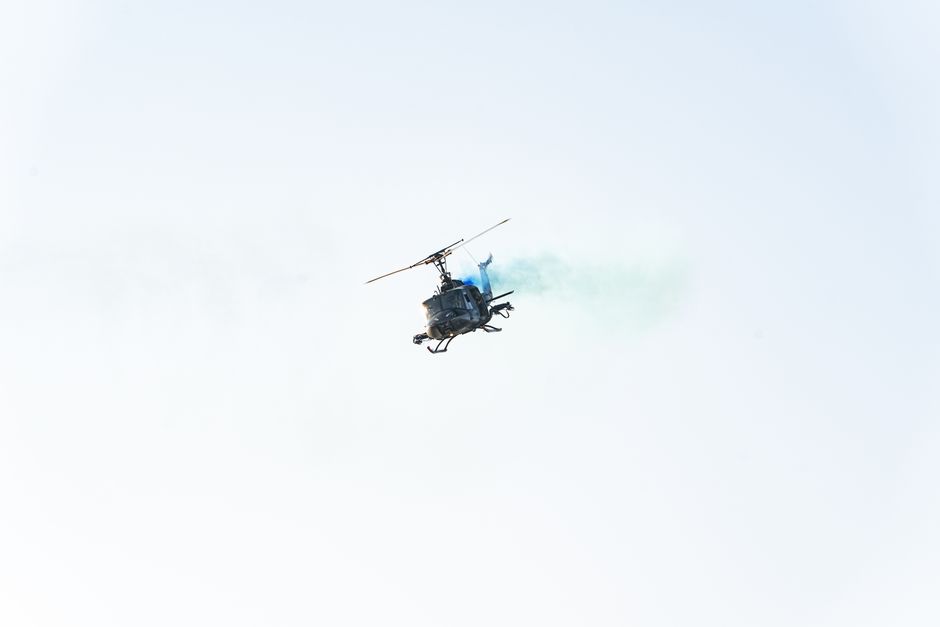
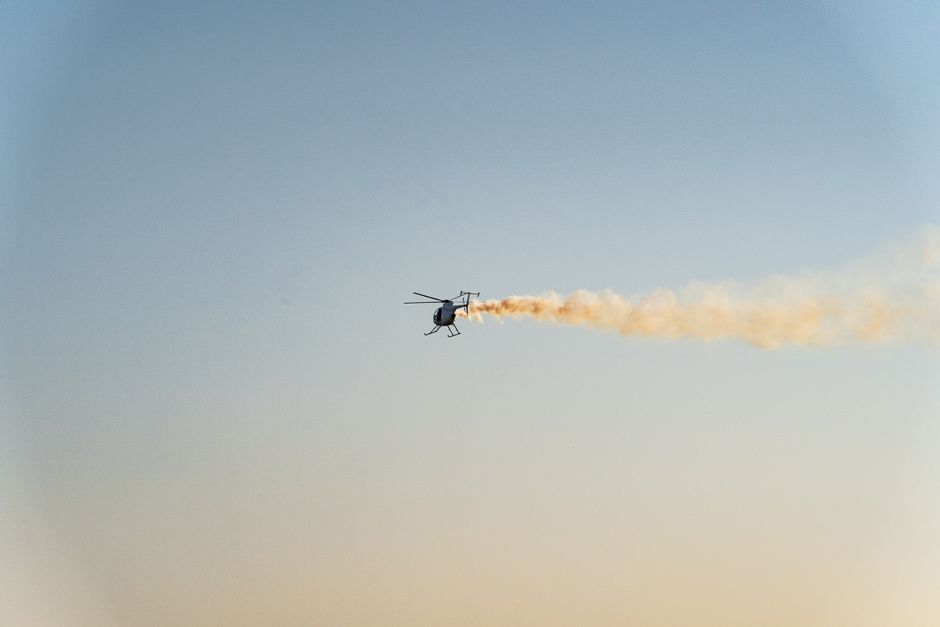
This is the experience that exists at the exact intersection of aviation and firearms, and it has absolutely no equivalent anywhere close to the Las Vegas Strip. You board a helicopter outfitted with door-mounted machine guns — real weapons, firing real ammunition, at real targets on a designated range in the Mojave Desert. As the helicopter hovers and banks over the target area, you lean into the airstream with the weapon's grip in your hands, sights tracking, engaging targets below with firepower that most people only ever see in films. It is, without qualification, one of the most intense experiences available to civilians anywhere in the world.
The safety briefing is thorough and non-negotiable, conducted by instructors with military or law enforcement backgrounds. The weapons — typically variants of door-mounted heavy calibre machine guns — fire at rates that produce a physical sensation as much as a sound, and the accuracy required to hit ground targets from a moving helicopter demands genuine focus and technique. Your instructors coach you through every moment, but the skill that develops over the course of the experience is real.
The Mojave gunship experience is not for the faint-hearted, not for anyone with serious reservations about firearms, and not for those seeking a gentle afternoon. It is, however, for anyone who has ever wondered what it feels like to operate military-grade weaponry from an airborne platform over the Nevada desert. That is a very specific question, and this experience answers it completely.
Lake Mead ATV tour to the Colorado River
Lake Mead is the largest reservoir in the United States, backed up behind Hoover Dam and stretching across nearly 250 square miles of canyon country on the Nevada-Arizona border. Most visitors see it from a boat or a viewpoint. The ATV tour sees it from the trails threading through the Lake Mead National Recreation Area — red sandstone terrain with views over the blue water that make every rise into a natural viewpoint, ending at the Colorado River itself where the water is cold and clear and the canyon walls rise hundreds of feet on both sides. This is the desert in its full, spectacular complexity.
The route typically follows established trails through the Recreation Area's western section, covering terrain that ranges from fast, open desert to more technical rocky sections near the canyon lips. Wildlife sightings are common — bighorn sheep on the canyon walls, and extraordinary bird life around the water. Your guide narrates the geology as you ride: the ancient seabed limestone formations, the volcanic intrusions, the differential erosion that produced the canyon's characteristic stepped appearance.
This tour works beautifully as a half-day complement to a Hoover Dam visit or a Lake Mead boat trip — together they give you the full picture of one of the most significant engineering and natural landscapes in the American West. The combination of genuine off-road riding and genuinely spectacular scenery makes it one of the most satisfying adventure activities available near Las Vegas.
Motorcycle Tours 7 activities
Red Rock Canyon motorcycle tour — scenic loop guide
Thirteen miles of two-lane road curves through the Red Rock Canyon National Conservation Area in a one-way scenic loop on a motorcycle — the wind over your helmet, the smell of desert sage through the visor, the sandstone formations rising three thousand feet to your left in bands of cream and red and purple, the road smooth and perfectly suited to the kind of riding that clears your mind of everything except the next corner. This is what motorcycles were made for.
The Red Rock escarpment is the result of ancient sand dunes compressed into stone over millions of years, then thrust upward along a fault line and exposed by erosion into the dramatic face that the loop road traces. From the saddle, the scale is almost theatrical: Calico Hills glow orange in morning light; Ice Box Canyon drops away into shadow; the Keystone Thrust formation shows two different ages of rock pressed directly against each other. The road itself is not technical — smooth tarmac, manageable curves — but that accessibility is exactly what makes it ideal for riders who want to experience the landscape rather than conquer it.
If you're in Las Vegas with a motorcycle, Red Rock Canyon is not optional. The loop takes about an hour without stops, most of a morning with them, and the photography opportunities at the designated viewpoints are exceptional at any time of day. Combine it with a stop at the visitor centre for context and with the Spring Mountain Ranch State Park at the loop's southern end for a glimpse of desert life before air conditioning made it comfortable.
Lake Mead Ghost Town motorcycle tour — 60 mile ride
Before Lake Mead filled behind Hoover Dam in the 1930s, the Colorado River valley held several small communities — mining camps, farming settlements, railway towns that have since vanished under the water or been abandoned to the desert. The ghost town motorcycle tour traces sixty miles of canyon road and desert highway connecting the surviving remnants of that lost world: crumbling adobe walls, forgotten cemeteries, the skeletal structures of operations that made sense when the river ran free and now stand as monuments to impermanence. It is genuinely atmospheric riding through genuinely atmospheric country.
The road network around Lake Mead is among the most scenic in Nevada — two-lane blacktop following the canyon contours, regularly presenting views of the reservoir's blue water against red rock. The ghost town stops add purpose to the riding: Nelson's Landing, where a flash flood swept cars into the canyon; the Eldorado Canyon mining district, where gold and silver were extracted from the 1840s onward; the ruins of Saint Thomas settlement, which periodically re-emerges from the lake when water levels drop. Each stop tells a piece of the larger story of human ambition meeting desert reality.
This tour is for riders who want history with their scenery, who find abandoned places evocative rather than merely ruined. The sixty-mile route is manageable for intermediate riders and the canyon roads are well-maintained, though some access tracks are unpaved and add to the adventure. Book with a guided operator who knows which sites are currently accessible — the lake's changing water level regularly reveals or submerges different sections of this drowned landscape.
Route 66 motorcycle tour from Las Vegas — 200 miles
America's most famous highway runs 2,400 miles from Santa Monica to Chicago, and the Las Vegas section puts you on it in the Mojave, where the original alignment cuts through the kind of landscape that gave Route 66 its mythology: small towns that time has half-forgotten, neon signs from the 1950s still standing in front of motels that no longer take guests, diners where the coffee arrives in ceramic mugs and the pie is made on the premises, and a quality of desert light that photographers chase for a lifetime. Two hundred miles of it, on a motorcycle, is one of the great American road experiences.
The standard tour heads south on I-15 to pick up the Mother Road in Barstow or Needles, then follows the historic alignment through Amboy, Ludlow, and into the Mojave Preserve. The riding alternates between silky tarmac and the original concrete of the 1920s highway — you can feel the seams under your wheels. Gas stations are well-spaced but not excessive, which means planning ahead and enjoying the enforced pause when you stop. The scale of the Mojave at road level is humbling in the best way: you are very small, the desert is very large, and the motorcycle puts you in honest relationship with both.
This is the tour for riders who understand that motorcycles exist not just to cover distance but to experience it — every mile of it, with full sensory engagement. The Route 66 mythology is real, earned by generations of travellers who took this road seriously, and two hundred miles of it from Las Vegas will leave you understanding exactly why.
Death Valley motorcycle adventure from Las Vegas
Death Valley National Park holds three world records simultaneously: hottest temperature ever recorded on Earth (134°F at Furnace Creek in 1913), lowest point in North America (Badwater Basin at 282 feet below sea level), and largest national park in the lower 48 states. Riding into it on a motorcycle from Las Vegas — approximately 120 miles each way, through the Amargosa Valley and over the Funeral Mountains — is to pass through a landscape so extreme that it recalibrates your sense of what the natural world is capable of. Nothing about Death Valley is moderate.
The riding itself is outstanding: long, straight desert highways where the vanishing point disappears into the heat shimmer, canyon roads through the Black Mountains where the rock changes colour every mile, and the descent into the valley floor on Artist's Drive where the mineral deposits paint the hills in shades of purple, green, and ochre that seem digitally enhanced until you get close enough to touch them. Zabriskie Point at sunrise is one of the most photographed landscapes in the world, and seeing it from a motorcycle saddle — with the freedom to time your arrival precisely — is qualitatively different from seeing it from a tour bus.
Death Valley demands respect — carry water, know your fuel range, and check conditions before you ride, particularly in summer. Spring and autumn are the ideal riding seasons: mild temperatures, excellent visibility, and wildflower blooms after wet winters that transform the valley floor into something almost impossibly beautiful. This is the adventure that riders talk about for years: the day they crossed Death Valley on two wheels.
Can-Am Ryker trike tour — Hoover Dam and Lake Mead
The Can-Am Ryker is a three-wheeled motorcycle that requires no motorcycle licence to operate, which means the experience of riding through the desert on an open, wind-in-the-face machine is suddenly available to anyone who can drive a car. The Ryker's two front wheels make it stable and confidence-inspiring for beginners, while still delivering the sensory engagement — the engine noise, the direct connection to the road surface, the peripheral vision full of desert landscape — that makes powered travel so compelling. The Hoover Dam and Lake Mead route is the perfect theatre for it.
The road from Las Vegas to Hoover Dam follows US-93 through the Boulder City bypass before descending into the Black Canyon on a road that is genuinely beautiful — wide curves overlooking the blue-green Colorado, the dam appearing suddenly around a bend in all its art deco monumentality. Stopping on the Nevada side for photographs, then crossing to the Arizona side and looking back at the structure from the pedestrian walkway, is a ritual that never loses its power. The Lake Mead loop adds views of the reservoir and the canyon country of the National Recreation Area.
The trike tour is the ideal option for couples where one partner rides and one doesn't, for groups of mixed riding experience, or for anyone who wants the open-road experience without the learning curve of a two-wheeler. The Can-Am Ryker is genuinely enjoyable to operate — intuitive, responsive, and stable enough to let you pay attention to the landscape rather than the machine. Hoover Dam is remarkable; Lake Mead is beautiful; the Ryker makes both better.
3-day Las Vegas adventure bike tour — full guide
Three days on a motorcycle from Las Vegas covers an extraordinary amount of the American Southwest's most spectacular terrain — not because the distances are short but because the highway network here was built through landscape so dramatic that even the most utilitarian road becomes a scenic route. A well-planned three-day tour typically covers Red Rock Canyon, Death Valley, Zion National Park, Bryce Canyon, and the Valley of Fire, riding through geological time, crossing several climate zones, and accumulating the kind of memories that don't fade.
Day one typically takes the Red Rock loop before heading north through the Spring Mountains toward Death Valley — the long descent into the valley floor in afternoon light is one of the great motorcycle moments in the West. Day two crosses into Utah through the canyon country of the Arizona Strip, with Zion National Park's Zion-Mount Carmel Highway delivering tunnels, switchbacks, and canyon views that make it one of the finest motorcycle roads in the country. Day three returns via the Valley of Fire, whose red sandstone formations glow almost luminescent in late-afternoon light.
This is the tour for serious riders who want to use Las Vegas as a base for genuine exploration rather than a destination in itself. The city's position at the centre of the Colorado Plateau and Mojave Desert makes it uniquely well-placed for multi-day adventures in every direction. Three days is the minimum to do the terrain justice; five days would do it fully. Either way, you will return to the Strip having seen a version of the American West that most visitors never find.
Rent a motorcycle in Las Vegas — complete guide
Las Vegas is one of the best cities in North America from which to rent a motorcycle. The climate is hospitable for most of the year, the highway network radiates outward into some of the most dramatic scenery in the country, the rental infrastructure is mature and well-maintained, and the city's 24-hour service culture means early morning pickups and late returns are routinely accommodated. Knowing what to look for in a rental — the right machine for your route, the insurance considerations, the fuel requirements for desert travel — makes the difference between a smooth, enjoyable experience and an afternoon of unexpected complications.
Most Las Vegas rental operators offer a fleet covering the full range: cruisers for the long desert highways, adventure bikes for mixed-surface routes toward Death Valley and the backcountry, sport-tourers for the canyon roads of Utah and Arizona, and standards for city riding and shorter day trips. Rates typically include a helmet and basic gear; full touring kit — jacket, gloves, boots — is available for daily hire and worth considering for routes involving altitude changes or extended desert exposure. Fuel planning is genuinely important: the Mojave and Nevada desert have stretches of 80 to 100 miles between services.
The practical knowledge in this guide — which operators maintain their fleets most conscientiously, which bikes suit which routes, which roads require particular attention to fuel and water — saves hours of research. Las Vegas motorcycle rental is accessible, affordable, and the gateway to some of the finest riding in the world. This guide gets you through the door and onto the road correctly equipped and fully informed.
Horseback Riding 5 activities
Horseback riding at Red Rock Canyon — all levels
The sandstone formations of Red Rock Canyon have been shaped by wind and water over two hundred and fifty million years, and riding through them on horseback — at the pace the landscape deserves, on an animal that has traversed this kind of terrain for ten thousand years of domestication — connects you to the place in a way that no vehicle can replicate. The trail network accessible on horseback covers terrain that hiking trails rarely reach, and from the saddle the scale of the formations is different: you are neither too close nor too far, but exactly level with the sage and the yucca and the occasional desert tortoise that regards you with prehistoric calm from the side of the trail.
Red Rock's guided horse tours are genuinely appropriate for all levels — beginners are matched with steady, patient horses and given a briefing that builds confidence before the trail begins; experienced riders are offered horses with more personality and trails with more variety. The Calico Hills section is the most visually dramatic, with banded red and cream sandstone rising on all sides while the Las Vegas skyline sits impossibly in the distance behind you. Wildlife sightings are common: bighorn sheep pick their way along ledges above the trail, hawks circle the thermals, and the birdlife in the canyon washes is extraordinary.
Horseback riding at Red Rock Canyon is the experience that surprises people most consistently. Visitors who book it as a secondary activity — something to fill a morning — find themselves talking about it as the highlight of the trip. There is something about moving through extraordinary landscape at a horse's pace, with nothing between you and the desert air, that satisfies something deep and hard to name. Book the morning ride for the best light.
Lake Mead horseback riding — red rocks and wildlife
The terrain around Lake Mead's western shores offers a combination of red sandstone canyon country and open desert wash landscapes that makes it visually distinct from the Red Rock Canyon experience — lower and more open, with occasional glimpses of blue water through the hills and a different palette of desert colours running from burnt sienna to pale gold. The horses here work trails through the Calico Basin and along the desert edge of the National Recreation Area, and the wildlife population — bighorn sheep, coyote, roadrunner, and a remarkable variety of raptors — is consistently impressive.
The guides on the Lake Mead rides tend to be particularly knowledgeable about the natural history of the region: the Mojave Desert ecology, the geology of the transition zone between the Mojave and the Great Basin, and the human history of the canyon country going back to the Ancestral Puebloans who left petroglyphs on the canyon walls accessible from the trail. The combination of natural history, geology, and genuine desert scenery makes the experience educational in a way that doesn't feel like a lesson — the knowledge arrives alongside the landscape and sticks.
This ride pairs naturally with a visit to Hoover Dam or a Lake Mead boat tour, making for a full day of canyon country experience from several different perspectives. On horseback, at water level on a kayak, and from above on a helicopter — the same landscape reveals completely different aspects from each vantage point, and the accumulation of perspectives gives you a real understanding of this place. The horseback portion is the most intimate of the three.
Sunset horseback ride with cowboy BBQ dinner
The American West has a particular quality of light in the hour before sunset — warm and long-shadowed, turning the desert gold and making every rock formation glow from within — and experiencing it on horseback with a cowboy dinner waiting at the end is one of those experiences that sounds almost too good to be true and then delivers completely. The sunset ride typically covers two to three miles of desert trail through scrubland and canyon country west of the city, the horses moving in comfortable single file while the sky behind you stages its nightly performance in shades of orange, pink, and violet.
The cowboy BBQ that follows the ride is not a theme park approximation of western cooking — it's the real thing, served around a fire with the smell of mesquite and the desert stars emerging overhead. Brisket, ribs, beans, cornbread, and the particular satisfaction of an appetite earned by fresh air and physical activity. The wranglers who lead the rides typically double as storytellers, and the fireside conversation after dinner tends toward the history of the West — cattle drives, water rights, the particular character of desert survival — told by people who actually know it.
The sunset horseback and BBQ combination is the most romantic adventure experience available near Las Vegas and works equally well for couples celebrating milestones and for groups of friends wanting something genuinely memorable. The combination of physical activity, extraordinary light, and a communal meal around a fire produces the kind of evening that anchors a trip — the experience everyone photographs, but which the photographs never quite capture.
Mount Charleston horseback riding — mountain trails
At thirty miles from the Las Vegas Strip, Mount Charleston rises to 11,918 feet — high enough for ponderosa pine forests, aspen groves, and summer temperatures twenty-five degrees cooler than the valley below. Horseback riding the mountain trails is a completely different experience from the desert rides available closer to the city: the terrain is forested and shaded, the air smells of pine resin and mountain water, and the views from the higher trails look back across the entire Las Vegas Valley. It is, in every sense, an escape.
The Spring Mountains National Recreation Area's trail network covers diverse terrain — lower slopes through pinyon-juniper woodland, mid-elevation trails through ponderosa pine, and higher routes that access aspen groves and rocky overlooks above the treeline. The horses are mountain-experienced, sure-footed on rocky sections, and comfortable in the cooler temperatures that prevail even in summer at this elevation. Wildlife on the mountain is distinct from the desert — mule deer are commonly seen, and the shy Mount Charleston blue butterfly is endemic to this mountain and found nowhere else on Earth.
Mount Charleston horseback riding is the ideal choice for summer visits when valley temperatures exceed comfort, and for anyone who wants a genuine mountain experience without leaving the Las Vegas area. The contrast between the desert city thirty miles away and the ponderosa forest under your horse's hooves is one of the more dramatic in the American West, and arriving at a high viewpoint and looking back at the valley from horseback is a perspective that most Las Vegas visitors never discover.
Pioneer trail horseback ride — history and scenery
Long before the casinos, before Hoover Dam, before the railroad that put Las Vegas on the map, the Old Spanish Trail threaded through the Mojave Desert connecting Santa Fe to Los Angeles — a trade route that carried goods, livestock, and people across some of the most brutal terrain in North America. The Pioneer Trail horseback ride traces sections of this historic route through the desert west of Las Vegas, with a guide who brings the history alive: the Mormon settlers who established the Las Vegas fort in 1855, the Paiute people who knew this desert intimately before European contact, the springs that made travel through the Mojave possible.
The scenery along the historic route is genuinely beautiful — open desert with long views to the Spring Mountains, wash crossings where desert willows grow in the seasonal water, and occasional petroglyph sites where the people who travelled before the Spanish recorded their presence in the rock. The horses move at a comfortable pace that allows the guide's narrative to sink in, and the stops at historically significant points — old fort sites, spring locations, trail markers — give structure to what is both a history lesson and a scenic ride.
This tour is particularly recommended for travellers who want to understand Las Vegas in context — not just as a post-war entertainment phenomenon but as a place with deep human history going back thousands of years. The pioneer trail ride reveals that context in the most engaging possible way: on horseback, in the landscape where the history happened, with a guide who understands why it matters.
Water Activities 6 activities
Jet skiing on Lake Mead — complete guide
Lake Mead is twenty-four miles from the Las Vegas Strip and boasts approximately one hundred and twelve miles of shoreline, most of it undeveloped canyon country accessible only by water. On a jet ski, the ratio of water to shore shifts dramatically in your favour — you can cover miles in minutes, reaching coves and canyon arms that boat traffic rarely enters, with the red rock walls rising sheer from the waterline and the desert silence broken only by your own engine. This is the desert in its most surprising mode: gloriously, completely, unexpectedly wet.
The jet ski experience on Lake Mead runs on the western end of the reservoir where rental facilities are concentrated, and the riding area covers enough water to satisfy both beginners exploring at modest speeds and experienced riders who want to open the throttle. The water is clear and blue-green, the canyon walls reflect in it at dawn and dusk with an almost mirror quality, and the sense of scale — you, small on a jet ski, surrounded by miles of canyon and water and desert sky — is genuinely magnificent. Wildlife encounters are not uncommon: pelicans fish the shallower sections and bighorn sheep sometimes appear at the water's edge.
The practical information in this guide — which rental operators have the best-maintained machines, which sections of the lake reward exploration, seasonal water levels that affect accessibility — makes the difference between a good jet ski day and a great one. Lake Mead deserves more than a glance from the Hoover Dam overlook; a few hours on the water gives you a completely different relationship with one of the most significant landscapes in the American West.
Kayaking at Emerald Cave — Colorado River
The Colorado River below Hoover Dam is cold, clear, and startlingly beautiful — nothing like the muddy river of the upper canyon country, because the dam traps the sediment and releases water drawn from the cold depths of Lake Mead. Kayaking this stretch of river is one of the finest half-day adventures near Las Vegas, and the destination — Emerald Cave, tucked into the canyon wall several miles downstream — justifies every paddle stroke. Inside the cave, light filters through the water from an underwater opening, turning the surface an extraordinary luminescent green that shifts and dances as the river moves. You paddle into it and sit in the coloured light and understand immediately why people make this trip repeatedly.
The canyon walls on this section rise three to four hundred feet on both sides, the black volcanic rock streaked with white mineral deposits left by ancient springs. The paddling is not technically demanding — the current assists you going downstream, and the return against a mild flow is manageable for any reasonably fit person. Guided tours provide all equipment and a naturalist commentary explaining the geology and ecology of the Black Canyon in engaging, accessible terms.
Emerald Cave kayaking is consistently cited as one of the best-value adventures near Las Vegas, and the early morning departure most tours require — to catch the cave's light at its most dramatic — produces a genuine sense of setting out on an expedition. The canyon in the early morning, with the light just reaching the rim and the river cold and quiet below, is one of the most beautiful places accessible from any major American city.
Kayaking near Hoover Dam — wildlife and canyon views
The put-in point near Hoover Dam gives you a perspective on the structure that no viewing platform can provide: you are in the river below it, looking up at the dam face from water level, with the vertical drop from the roadway visible above and the turbines somewhere behind the concrete doing the work that powers the American Southwest. It is a remarkable starting point for a kayak tour, and the canyon stretches downstream in a progression of extraordinary scenery — dark basalt walls, clear water, bighorn sheep on the ledges, and the occasional great blue heron standing motionless at the river's edge.
The wildlife on this section of the Colorado is exceptional — the controlled flow and clear water create ideal conditions for a diverse fish population, which in turn supports a rich bird community. Ospreys fish the pools between the canyon narrows. Great horned owls occupy cliff-face crevices. The bighorn sheep that come to drink appear close enough that their distinctive curved horns are clearly visible without binoculars. The guide's knowledge of where to look and what to expect throughout the paddle transforms a scenic trip into a genuine wildlife experience.
The Hoover Dam kayak tour most surprises first-timers who book it thinking they're getting a mildly scenic paddle and discover instead one of the finest river corridors in the American Southwest. The combination of engineering history, extraordinary geology, and excellent wildlife makes it genuinely multi-layered, and the fact that it begins in the shadow of one of the great achievements of the twentieth century adds meaning to everything you see downstream.
Lake Mead water sports — everything available
Lake Mead's 247 square miles of water and 112 miles of shoreline make it the largest reservoir in the United States and one of the most versatile water sports venues in the American Southwest. The full range of activities available here — jet skiing, wakeboarding, waterskiing, paddleboarding, kayaking, tubing, and boat tours — means that a single day at the lake can accommodate a group with wildly different preferences and skill levels without anyone compromising. The red canyon walls rising from the blue water, the desert sky overhead, and the absence of city noise make it feel genuinely remote despite being twenty-four miles from the Strip.
The water sports hub at Boulder Beach and Callville Bay offers the most complete range of equipment and instruction. Wakeboarding and waterskiing require a boat and driver — most operators provide both — and the flat, sheltered sections near the marina are ideal learning environments. Paddleboarding is particularly enjoyable in the morning calm before the afternoon wind picks up, with the canyon reflections in still water creating a visual experience that belongs entirely to this place.
This guide covers all the options in practical detail — pricing, equipment quality, instruction availability, the best sections of the lake for each activity, and seasonal considerations. Lake Mead is comprehensively underused by Las Vegas visitors who tend to see it as a backdrop to Hoover Dam rather than a destination in its own right. It is, in fact, one of the finest water sports venues in the Southwest, and a full day here returns more genuine outdoor experience per dollar than almost anything else available near the city.
Diving with sharks at Mandalay Bay
Mandalay Bay's Shark Reef Aquarium is one of the finest in North America, housing more than two thousand animals across thirty different species. The shark dive takes this further: you enter the water in a full dive suit with a certified instructor, descend into the main tank, and spend time surrounded by the fifteen-foot sandtiger sharks, sawfish, and sea turtles that occupy the main exhibit while thousands of smaller fish move in shoals around you. The sharks are habituated to divers and largely indifferent to your presence — and the experience of being in the water with them is something no aquarium glass can replicate.
The dive is conducted at shallow recreational depths and requires no prior dive certification — the instructor provides full equipment and a thorough briefing before entry. The water visibility is exceptional — aquarium-quality filtration produces clarity that open-water divers rarely encounter — and the lighting in the exhibit creates a quality of underwater experience that is aesthetically extraordinary as well as biologically fascinating.
Diving with sharks at Mandalay Bay is one of Las Vegas's most genuinely unique experiences — something you cannot do in most cities and which produces photographs and stories that distinguish a trip. It is particularly recommended for marine biology enthusiasts, certified divers who want the contrast of a world-class aquarium dive, and anyone who has ever wanted to understand these animals better than any documentary can provide.
Arizona Hot Springs hike and kayak — full day
The Arizona Hot Springs sit in a side canyon off the Colorado River downstream from Hoover Dam, accessible only by a combination of hiking and paddling that filters out the casual visitor and rewards the committed one. The full-day experience begins with a kayak launch on the Colorado, paddling the clear river through the Black Canyon with volcanic walls rising on both sides and bighorn sheep watching from their ledges. A beach landing, then a hike up the side canyon through increasingly warm air — you can feel the heat rising from the geothermal springs before you see them — until the canyon narrows and the pools appear, turquoise and steaming, notched into the rock at precisely the right temperature for extended immersion.
The springs themselves are a series of natural soaking pools at approximately 104°F — warm enough to be thoroughly therapeutic, cool enough to be comfortable for extended periods, and positioned in a slot canyon so narrow that you can touch both walls simultaneously. The combination of the paddle, the hike, and the soak produces a physical satisfaction that passive activities simply cannot: you have earned the hot springs through genuine exertion, and the relaxation afterward is proportionally deeper.
The full-day format means you're on the water by early morning, at the springs by mid-morning, and back at the put-in by afternoon — a complete outdoor day covering kayaking, canyon hiking, and thermal bathing in a single itinerary. Guided tours handle all logistics including equipment, shuttle, and a packed lunch. This is the most complete outdoor adventure day available near Las Vegas and one of the most physically satisfying experiences in the region.
Shooting Experiences 4 activities
The Range 702 — extreme indoor gun range
Las Vegas has more gun ranges per capita than almost any city in the United States, but The Range 702 operates at a different level — a purpose-built facility designed around the idea that shooting should be genuinely engaging rather than merely available. The extreme shooting experience here goes beyond standing at a lane with a handgun: it involves moving through scenario-based ranges, engaging targets at multiple distances and angles, and working with weapons that most civilians never handle outside this kind of controlled environment. The instruction is provided by former law enforcement and military personnel who understand both the technical and safety dimensions of the experience.
The technology at The Range 702 includes moving targets, reactive targets requiring immediate shot placement, and simulation environments that test decision-making rather than just accuracy. The weapon selection covers the full spectrum from classic revolvers and historical military rifles to modern tactical carbines and precision long-range rifles — all maintained to excellent standards under the close supervision of range officers who ensure safety without micromanaging the experience.
The Range 702 is genuinely different from tourist-facing gun ranges on the Strip corridor — it's a serious shooting facility that happens to be accessible to visitors, rather than a visitor experience that happens to involve firearms. For anyone with existing shooting experience who wants a high-quality range day, or for curious first-timers who want an introduction that goes beyond pointing a handgun at a paper target, this is the correct destination.
Machine Guns Vegas — full auto shooting experience
Full-auto firearms — machine guns, submachine guns, and automatic rifles — are heavily regulated in civilian ownership in the United States, which means most Americans have never fired one and never will outside experiences like this. Machine Guns Vegas provides access to an extraordinary collection of fully automatic weapons under professional supervision on a purpose-built indoor range, and the experience of firing them is genuinely, physically different from anything a semi-automatic produces. The recoil pattern, the sound even through ear protection, and the rate of fire combine to produce a visceral experience unlike anything most people have encountered.
The weapon menu includes icons of twentieth-century military history alongside modern tactical platforms: the M134 minigun, the M60 machine gun, the MP5 submachine gun, the M16 in full-auto configuration, the Tommy Gun of 1920s gangster mythology, and the AK-47 in its original Soviet configuration. Each weapon has its own personality, and the range staff are genuinely knowledgeable about the history and mechanics of each platform. This isn't just trigger time; it's a brief history of twentieth-century small arms.
Machine Guns Vegas is Las Vegas at its most American — an experience that exists here specifically because the legal and cultural environment makes it possible, and which visitors from countries with stricter firearms regulation consistently report as one of the most genuinely surprising experiences of their trip. It is legal, supervised to rigorous safety standards, and completely, irrevocably memorable.
Strip Gun Club — first timer guide
The Strip Gun Club's position just off the main casino corridor makes it the most accessible shooting experience in Las Vegas — you can walk from most major Strip hotels, spend an hour or two at the range, and walk back. For first-timers who are curious about shooting but uncertain about committing to a full off-Strip excursion, this accessibility makes the decision easy. And the experience itself is designed specifically to meet first-timers where they are: no assumed knowledge, no intimidating environment, thorough instruction, and a curated weapon selection that starts manageable and scales upward with confidence.
The first-timer experience begins with a safety briefing covering every aspect of range protocol — how to handle a firearm safely, what the range commands mean, what to do if anything goes wrong. The instruction is not perfunctory; the range officers take it seriously and ensure that every customer understands exactly what they're doing before they do it. Starter packages typically include handguns in calibres manageable for beginners before offering the option to step up to larger calibres, rifles, or shotguns as confidence grows.
The Strip Gun Club is the correct introduction to firearms for visitors who are curious but cautious, for groups where some members have experience and others don't, and for anyone who wants to understand why shooting is a serious sport and not just a novelty. The central location, professional instruction, and focus on first-timer experience make it the best entry point to Las Vegas shooting for anyone who hasn't fired a weapon before.
Outdoor machine gun shooting — Mojave Desert backdrop
There is a meaningful difference between shooting in a climate-controlled indoor range and shooting in the open desert with the Spring Mountains on the horizon and the blue Nevada sky overhead. The outdoor machine gun experience takes the full-auto shooting concept and relocates it to the Mojave, where the distance to the target is real, the wind is a variable, and the scale of the environment gives the experience an authenticity that no indoor range can replicate. The sound of a machine gun fired outdoors travels differently. The distance to the target — often three hundred metres or more — requires genuine marksmanship. The setting, frankly, is magnificent.
The Mojave outdoor range operates on a private site that handles the significant logistical challenge of outdoor machine gun shooting — downrange safety, appropriate backstop construction, acoustic management. The weapon selection focuses on platforms that benefit from the outdoor setting: longer-range weapons like the M240B, the RPK, and precision rifles that reward the extra distance, alongside classic full-auto options. The instructors are experienced in both the weapons and the outdoor shooting environment, and the combination of professional guidance and authentic setting produces an experience that serious shooters rate highly.
This is the outdoor shooting experience for people who have done indoor range shooting and want something that goes further — more space, more distance, more authentic sensation. The Mojave Desert backdrop turns what could be a purely technical exercise into something that feels genuinely cinematic, and the memory of firing a machine gun under the Nevada sky against the silence of the desert is one that stays with you.
Driving Experiences 4 activities
Speed Vegas — drive a Ferrari or Lamborghini
The Ferrari 488 GTB produces 660 horsepower and accelerates from zero to sixty in under three seconds. The Lamborghini Huracán makes 610 horsepower and sounds, at full throttle, like nothing else manufactured by human beings. Speed Vegas puts you in the driver's seat of these machines on a purpose-built racetrack designed to let you access their performance in a controlled, safe environment — not a parking-lot autocross or a closed-road crawl, but a real circuit with proper corners, elevation changes, and enough straight to feel what these cars do when you commit to the throttle.
The Speed Vegas circuit includes a long main straight where genuine speed is possible, technical sections that reward smooth, precise driving, and flowing corners that let you feel the lateral grip of these machines — grip that far exceeds anything available in ordinary road driving. Instructors ride alongside in the passenger seat, coaching corner entry, braking points, and throttle application with a directness that extracts real performance from drivers who arrive without track experience. By the third or fourth lap, most participants are driving at a level that genuinely surprises them.
Speed Vegas is the experience for anyone who has ever dreamed of driving a supercar properly — not following one through traffic or sitting in the passenger seat, but actually driving it, with space and instruction and the opportunity to discover what these machines feel like when they're actually being used. The sound alone — the Ferrari's flat-plane crank scream at seven thousand RPM, the Lamborghini's V10 howl at full throttle — is worth the price of admission.
Exotics Racing Las Vegas — full experience guide
Exotics Racing has hosted more than 150,000 customers at the Las Vegas Motor Speedway, giving them more opportunity than almost anyone to understand what works in the supercar experience format. What works is putting a professional racing driver in the passenger seat next to you, handing you the keys to a Porsche 911 GT3, an Aston Martin, a McLaren, or one of fifteen other performance vehicles, and letting you drive a proper circuit with expert coaching focused on making you genuinely faster rather than simply keeping you on track.
The Exotics Racing fleet is maintained to concours standards — these are not tired track hack vehicles accumulating thousands of customer laps without attention, but cars serviced meticulously between sessions and replaced regularly to maintain performance. The track at LVMS is a purpose-designed circuit with genuine variety: a long back straight that feeds into a technical infield section, flowing corners that build on each other in sequences that reward rhythm, and enough layout complexity that repeat visits produce genuine skill improvement.
This guide covers the full Exotics Racing experience in practical detail: which vehicles to choose for different goals, how to prepare for the session, what the coaching process involves, and what to expect from the facility and staff. Exotics Racing is the most professionally run supercar experience near Las Vegas and, for anyone serious about the driving, the right choice.
Las Vegas Motor Speedway racing experience
The Las Vegas Motor Speedway is a real NASCAR oval, the same 1.5-mile tri-oval where the Cup Series races are run, and the racing experiences available there give you access to that track in a way that produces an immediate understanding of why oval racing is genuinely, physically demanding. You are in a properly prepared stock car — not a road car wearing a race suit but an actual race vehicle with a roll cage, a racing harness, a fire suppression system, and a V8 engine producing upward of 600 horsepower — and you are on the banking, and the banking is genuinely steep enough that the car pushes outward in a way that requires constant correction.
The oval's geometry means that the physical forces acting on you are different from anything road driving produces: sustained lateral g-forces through the banked turns, a steering wheel requiring continuous input to maintain the arc, and a speed that makes the concrete wall on the outside feel present and real in a way that no road corner does. The instructors who ride with you on orientation laps are experienced oval drivers who understand both the technique and the sensation.
The Las Vegas Motor Speedway racing experience is for anyone who has watched NASCAR and wondered what the banking actually feels like, or who wants to understand oval racing from the inside of a car rather than the outside of a fence. The combination of genuine speed, genuine racing machinery, and a track with real history makes it one of the most authentic motorsport experiences available to civilians anywhere in the world.
Polaris Slingshot tour of the Las Vegas Strip
The Polaris Slingshot is a three-wheeled open-cockpit roadster that looks like a road-legal race car and drives like the answer to the question: what if we made a vehicle that was just about the experience of being in it? It requires no motorcycle licence, seats two, and puts both occupants entirely in the open air with the engine between and behind you and the road surface approximately eighteen inches from your face. At Strip speeds — slow enough to see everything and fast enough to feel the wind — it is one of the most engaging ways imaginable to cover the four miles of Las Vegas Boulevard.
The Strip tour in a Slingshot typically covers the full length of the Boulevard from Mandalay Bay to the Stratosphere, with the tour operator leading in a guide vehicle and the Slingshots following in convoy. The open-cockpit format means you are smelling the desert air mixed with the faint chlorine of hotel pools, hearing the street noise directly rather than through a windscreen, and seeing the hotel facades not framed by a car window but simply existing in your full peripheral vision. At night, with the Strip in full illumination, the experience is particularly extraordinary.
The Polaris Slingshot tour is ideal for couples who want something active and engaging rather than observational, for automotive enthusiasts who want to experience the Strip in something more interesting than a taxi, and for anyone who has been to Las Vegas before and wants a completely fresh perspective on the Boulevard they think they know.
On the Strip 9 activities
SkyJump at The STRAT — controlled free fall 108 floors up
You are standing on the outside of a building 855 feet above Las Vegas Boulevard. The Strip extends in both directions below you — the hotels, the fountains, the parking structures, the tiny cars, all of it reduced to a model of itself by the altitude. The Stratosphere Tower's observation deck is a known quantity; the SkyJump platform, on the outside of the structure, is not. You are harnessed to a decelerator cable, the operator has completed the final safety check, and someone has just asked you to step off the edge of the tallest structure west of the Mississippi.
The jump itself takes approximately seventeen seconds — a controlled descent at forty miles per hour in a forward-facing position that gives you an unobstructed view of the Strip falling toward you as you fall toward it. The deceleration system is smooth and engineered precisely; you arrive at the landing deck at a walking pace. But the seventeen seconds between the step and the landing are among the most concentrated experiences available to a human body: pure focused sensation, the city enormous and detailed below, the wind and the speed and the absolute clarity of the moment.
SkyJump is the quintessential Las Vegas thrill — audacious, impeccably managed, and producing a photograph that makes everyone who sees it ask the same question: how? The answer is: you just step off. That decision, and the seventeen seconds that follow it, is the entire experience. For anyone with a passing interest in heights and a willingness to step past the theoretical into the actual, SkyJump is unmissable.
Insanity ride — spinning face-down at 900 feet
The Insanity ride at the Stratosphere extends sixty-four feet over the edge of the building and then tilts its passengers face-down toward the Las Vegas Strip, nine hundred feet below, while spinning at three revolutions per minute. The physics mean that you are looking straight down at the city while centrifugal force holds you horizontal — the Strip, the surrounding desert, the Spring Mountains visible forty miles distant — all of it directly below your face, all of it moving slowly past as you rotate. The sensation is unique to this ride and impossible to adequately prepare for.
At nine hundred feet, the perspective on Las Vegas is genuinely different from the observation deck experience: you are not looking at a panorama but at a specific section of city directly below you, close enough that individual pools and parking lots are legible, far enough that the scale is vertiginous. The ride's duration is approximately three minutes — enough time for the initial adrenaline spike to settle into something more like wonder, a sustained period of being suspended, face-down, above one of the most remarkable urban environments on Earth.
Insanity combines with SkyJump and the Big Shot to make the Stratosphere's thrill portfolio the most concentrated on the Strip, and the combination ticket for all three is genuinely good value for anyone who wants to spend a few hours at altitude. At $35 for the Insanity ride alone, it is one of the most dramatic-per-dollar experiences in Las Vegas, and the view from face-down at nine hundred feet is, categorically, something you will not see anywhere else.
Big Shot — propelled 160 feet up at 45mph
The Big Shot begins at the top of the Stratosphere Tower — already 1,081 feet above street level — and propels you a further one hundred and sixty feet upward at forty-five miles per hour before dropping you back to the launch platform in freefall. At the apex, you are more than twelve hundred feet above the Las Vegas Strip — higher than any other ride of this type in the world — and for a single suspended moment at the top, with the city spread out three hundred and sixty degrees and the desert stretching to the horizon in every direction, the view is simply extraordinary. Then gravity reclaims you.
The launch sequence is the experience's defining moment: the hydraulic catapult system fires after a countdown, and the acceleration from standing to forty-five miles per hour is immediate and total. Your body's reaction is involuntary — the stomach takes a moment to catch up, the peripheral vision narrows, and then you are at the top, hanging momentarily above twelve hundred feet of Las Vegas, and the drop begins. The whole sequence takes about ten seconds. Those ten seconds are fully and completely occupied.
Big Shot is the most vertically dramatic of the Stratosphere's three thrill rides — more kinetic than Insanity, more brief than SkyJump — delivering a sensation at the apex that nothing else in Las Vegas replicates. The upward launch and the brief weightlessness at the top give it a character distinct from the falling experiences; it is the sensation of being thrown into the sky, and the view at the moment before gravity returns is the reward. At thirty-five dollars, it is extraordinary value for the altitude and the sensation.
Big Apple Coaster at New York-New York — 67mph above the Strip
The Big Apple Coaster at New York-New York wraps around the exterior of the building at heights up to two hundred and three feet, achieving sixty-seven miles per hour on the descent and subjecting passengers to three g's of lateral force through the heartline twist-and-dive maneuver — a four-hundred-and-forty-degree roll that places the track above the coaster at its tightest point, hanging riders face-down above the Las Vegas Strip at speed. It is a legitimately serious thrill machine, and its position on the Strip exterior means the view during the ride is unlike anything available at a conventional theme park.
The experience of riding the exterior of a hotel tower at sixty-seven miles per hour, with the Strip spread below and the surrounding desert visible beyond the city limits, adds a layer of context to the standard coaster experience that makes it distinctly Las Vegas. The New York skyline facade, visible throughout the ride, creates a surreal backdrop — you are simultaneously on a roller coaster and inside an architectural spectacle, and both things are happening at speed.
The Big Apple Coaster is the most accessible thrill on the Strip — thirty dollars, no special booking required, operable on the same afternoon walk that takes you past the hotel. For coaster enthusiasts it is a genuine experience rather than a novelty; for first-timers it is a legitimate introduction to what roller coasters can do when given a proper canvas. On a clear day, from the high point at two hundred and three feet, the view lasts exactly long enough to appreciate before the descent begins.
Fly LINQ Zipline — above the LINQ Promenade
The Fly LINQ zipline launches from a platform fifty feet above the LINQ Promenade and covers eleven hundred feet of the outdoor entertainment district at thirty-five miles per hour, arriving at the High Roller Ferris Wheel end with enough altitude and speed to give the experience genuine kinetic character. Unlike some ziplines that are primarily scenic, the LINQ line has actual velocity — the approach speed at launch, the wind in your face through the promenade, and the landing sequence all feel like a proper ride rather than a slow float. And the setting is uniquely Las Vegas: below you, the promenade's restaurants and bars and pedestrian traffic; ahead, the High Roller's giant wheel; around you, the hotel towers of the LINQ corridor.
The zipline operates in both prone, Superman-style face-down, and seated positions, with the prone position delivering more sensation and better sightlines along the promenade. The harness system is thorough and the staff professional. Night flights are the most atmospheric — the promenade lit below, the hotel neon in every direction, the High Roller glowing ahead like a carnival in the sky — and the combination of altitude, speed, and light creates a memory that slots easily into the category of extraordinary things I have done.
The LINQ zipline is the most central thrill available on the Strip — no hotel, no shuttle, no excursion required, just a booking and a walk to the promenade entrance. For the price, the combination of genuine velocity, unique urban setting, and the specific pleasure of flying above Las Vegas on a wire is remarkable value.
FlyOver Las Vegas — full sensory simulated flight
FlyOver is a full-sensory flight simulation in which you are suspended in a seat on a moving arm in front of a spherical screen eight stories tall, with wind, mist, and scent effects synchronized to footage of flight over the American Southwest — the Grand Canyon, Monument Valley, Lake Powell, Zion, the Las Vegas Valley — captured by cameras mounted on aircraft, helicopters, and drones specifically for this experience. The physiological effect of the suspension rig, the screen's size and resolution, and the physical effects combine to produce a sensation of flight that is, for the duration of the film, remarkably convincing. People grip the armrests. People gasp. People forget, briefly, that they are in a building.
The Las Vegas-specific content includes a low-altitude flight over the Strip at night that covers familiar landmarks from angles and altitudes that no actual aircraft is permitted to use — the Bellagio fountains from thirty feet, the hotel rooftops at speed, the sprawl of the valley illuminated against the desert dark. The desert sequences include canyon flying that would be genuinely dangerous at real scale, rendered with enough fidelity that the vestibular system responds as if the motion were real. The scent effects — desert sage, waterfall mist, the smell of altitude — add a dimension that most visitors don't anticipate and consistently report as more effective than expected.
FlyOver is the experience for visitors who want the sensation of aerial Las Vegas without the price of a helicopter, for those who want to see the landscape context of the city in an engaging format, and for anyone who finds the idea of a full-sensory flight simulation interesting in its own right. For first-timers to the Southwest, the footage functions as a spectacular preview of the landscapes accessible from the city.
Indoor skydiving in Las Vegas — vertical wind tunnel
The vertical wind tunnel at Vegas Indoor Skydiving produces a column of air moving at up to 180 miles per hour — fast enough to support a human body in stable freefall position, which is to say fast enough to replicate the sensation of skydiving without the aircraft, the altitude, or the parachute. Inside the tunnel, with the airflow calibrated to your weight and body position, the experience of floating on nothing but moving air is genuinely extraordinary: you are horizontal, stable, maneuvering through a combination of arm and leg positions that translate into movement in three dimensions, and the sensation of supported weightlessness is unlike anything available outside actual freefall.
The instruction covers the four basic body positions — neutral, forward movement, backward movement, and turning — and the progression from first-timer stability to controlled movement is surprisingly rapid. By the end of a standard session, most participants can hold stable position and execute basic turns. For actual skydivers, the tunnel provides training time that would otherwise require an aircraft; for first-timers, it provides a genuine introduction to the physics of freefall that can precede a real jump or stand entirely on its own merits.
Indoor skydiving is particularly valuable for visitors who are curious about skydiving but uncertain about the full experience, for those who don't meet requirements for outdoor jumping, and for anyone who simply wants to understand what human flight feels like in a controlled environment. The sensation is genuine. The technique is real. The memory is permanent.
High Roller Ferris Wheel — 550 feet above the Strip
The High Roller is the tallest observation wheel in the world at 550 feet, and its position at the center of the LINQ Promenade puts it in the middle of the most densely interesting section of the Las Vegas Strip. Each of the twenty-eight glass-enclosed cabins accommodates up to forty people, travels the full circumference in approximately thirty minutes, and provides an unobstructed 360-degree view that at the apex encompasses the entire Las Vegas Valley, the surrounding mountain ranges, and on clear days the distance to Nevada and California. At sunset, the valley below ignites in a progression of colour that turns the High Roller experience from impressive to genuinely moving.
The cabins are large enough to move around freely within — this is not the cramped gondola of a traditional fairground wheel but a proper observation chamber, with seating around the perimeter and standing room at the windows. The Happy Half Hour tickets include an open bar, which makes the slower sections of the wheel more festive and the view at the apex simultaneously better and more surprising. Night rides are the most spectacular — the city below becomes a light map of the Strip in its full extent, with the suburban grid extending in every direction to the mountain walls of the basin.
The High Roller is the most accessible major experience on the Strip — no waiting for weather, no age restrictions, no particular physical requirements — and its thirty-minute duration gives you enough time at altitude to genuinely absorb the view. For first-time visitors trying to understand the layout of the city, for photographers seeking the definitive elevated perspective, and for anyone who wants a calm, beautiful experience between more kinetic activities, the High Roller consistently delivers more than its modest price suggests.
Dig This Las Vegas — drive a real bulldozer
Dig This Las Vegas gives you access to full-size, fully operational construction equipment — not a scaled-down version, not a simulator, but actual Cat excavators and bulldozers, the same machines that build highways and move mountains — on a purpose-designed course where you learn to operate them under the guidance of instructors who have made careers with this machinery. The excavator challenge asks you to pick up and stack tyres. The bulldozer challenge asks you to grade a section of earth. Both sound straightforward until you're in the cab with the controls in your hands and the machine's weight moving beneath you.
The cab of a Cat excavator sits eight feet off the ground and controls a boom capable of swinging a seven-thousand-pound counterweight through a full three-sixty rotation. The hydraulic controls are sensitive — small movements produce significant machine response — and the development of control over the course of a session, as your hands learn to be precise and anticipatory rather than reactive, is genuinely satisfying. The bulldozer is a different physical experience entirely: the sensation of the blade meeting resistance and the machine pushing through it requires a specific kind of confidence, and finding it is its own reward.
Dig This is the experience that nobody expected to be one of their Las Vegas highlights and which consistently turns out to be exactly that. It is physical, it is skill-based, it is conducted in genuine equipment rather than an approximation of it, and the fundamental human satisfaction of moving large amounts of earth with a large machine is apparently universal. Bring people who think they won't enjoy it — they are almost invariably the ones who want to stay longest.
Nature & Hiking 6 activities
Red Rock Canyon rock climbing — all skill levels
The Red Rock Canyon National Conservation Area contains some of the finest rock climbing in the American West on sandstone that ranges from vertical crack systems demanding technical jamming to slab faces where friction and footwork determine everything. The climbing here is not a tourist approximation of the sport but the real thing: the same routes that serious climbers travel to Nevada specifically to climb, made accessible to beginners through guided instruction and appropriate route selection that builds genuine skills rather than simply getting people off the ground. At any level, the rock is extraordinary — red and cream Aztec sandstone, perfectly rough and shaped by water and time into walls that are beautiful before they're even climbable.
Guided climbing at Red Rock begins with gear familiarisation and a fundamental movement session on lower-angle terrain before progression to routes appropriate to the group's experience and ambition. The Calico Hills is the primary venue for most guided experiences, with routes offering both top-rope and lead climbing in a concentrated area. The rock's colour, the desert landscape visible in every direction between pitches, and the particular quality of Nevada light on sandstone make the visual experience exceptional at every pause in climbing.
Rock climbing at Red Rock Canyon is physical, technical, social, and set in one of the most photogenic landscapes accessible from any major American city. It requires no prior experience to begin and rewards practice and attention to technique in a way that transforms first-time participants into people who want to climb again. The combination of accessible instruction, world-class rock, and extraordinary setting makes it one of the genuinely great adventure activities available near Las Vegas.
Valley of Fire hiking — petroglyphs and rainbow vista
The Valley of Fire State Park is Nevada's oldest state park and one of the most visually extraordinary landscapes in the American Southwest. Bright red Aztec sandstone formations — some resembling elephants, some resembling flames, some resembling nothing so much as themselves — rise from the desert floor in shapes that the mind keeps attempting to classify and keeps failing to. The hiking trails thread through this geological sculpture garden, passing petroglyph panels left by the Ancestral Puebloans and arriving at viewpoints over the rainbow-coloured rock that are genuinely world-class photography opportunities. And it is free.
The Rainbow Vista trail is the essential Valley of Fire hike — two miles of moderate terrain delivering the full range of the park's visual vocabulary: beehive formations, elephant rock, fire wave sandstone, and the particular quality of late-afternoon light on the red formations that earned the park its name. The Petroglyph Canyon trail is shorter and more focused, leading to the Mouse's Tank formation where hundreds of petroglyphs are carved into the canyon walls — spirals, animal figures, human forms, and abstract patterns that date back several thousand years.
Valley of Fire sits fifty-five miles northeast of Las Vegas — an hour's drive that takes you entirely out of the city's reality and into a landscape that feels geologically ancient and aesthetically overwhelming. Pack water, start early in summer to beat the heat, and bring a camera capable of capturing the red rock against blue sky, because this is one of those places where the light at the right hour produces images that look more saturated than reality and are nonetheless exactly accurate.
White Rock Canyon — 100-foot walls to hot springs
White Rock Canyon in the Lake Mead National Recreation Area provides one of the more unusual hiking experiences near Las Vegas: a trail that descends through slot canyon terrain — the walls rising to one hundred feet on either side, the canyon floor cool and shadowed even in summer — to arrive at a series of natural hot springs beside the Colorado River. The combination of canyon hiking and thermal bathing, entirely within a national recreation area and entirely free of charge, makes this one of the most rewarding outdoor experiences available near the city, with an atmosphere of genuine discovery that the more obvious attractions rarely provide.
The canyon terrain is geologically fascinating — dark volcanic rock with pale limestone intrusions, carved by a long-dry drainage, with wind-smoothed walls that narrow in places to a body's width. The descent to the river is approximately two miles with a significant elevation change, and the hot springs at the bottom maintain a consistent temperature of around 104°F that makes the physical effort of the hike feel exactly appropriate. Cooling in the Colorado River, which runs cold from the Hoover Dam release, and alternating with the hot spring pools is a hydrotherapeutic experience that most urban environments simply cannot offer.
White Rock Canyon rewards early starts in any season — the canyon is at its most beautiful in the cool of the morning, the springs are most enjoyable before the midday heat, and the return hike is significantly more comfortable before temperatures peak. Bring more water than you think you need, appropriate footwear for rocky terrain, and the willingness to get wet. The canyon is the adventure; the springs are the reward.
Mount Charleston — mountain escape 30 mins from Vegas
Thirty minutes from the Las Vegas Strip, the Spring Mountain Range rises to nearly twelve thousand feet and maintains a climate so different from the valley below that the two environments exist in a relationship of almost comic contrast: when it is 108°F in Las Vegas in July, it is 78°F on Mount Charleston, and the ponderosa pine forest smells of vanilla and resin and mountain water rather than car exhaust and pool chlorine. The Mount Charleston experience is, fundamentally, an escape — from the city's heat, its noise, its particular intensity — into terrain that reminds you what the natural world looks like when human beings haven't significantly rearranged it.
The hiking trails range from easy family walks through the lower ponderosa pine belt to serious mountaineering routes that access the summit ridge at nearly twelve thousand feet. The intermediate trails — Cathedral Rock, Fletcher Peak, Mary Jane Falls — offer the most rewarding combination of effort and reward: genuine mountain terrain, significant elevation gain, and viewpoints that look back across the Las Vegas Valley to the horizon. The Mary Jane Falls trail leads to a seasonal waterfall in a limestone amphitheater that feels entirely unlike the desert landscape visible from the valley below.
Mount Charleston is the experience that Las Vegas residents use to maintain their sanity through the summer months and that visitors consistently describe as one of the most surprising and welcome discoveries of their trip. The mountain offers skiing in winter, excellent hiking in spring and fall, and the extraordinary cool-weather escape in summer that makes it genuinely unique among day-trip options from any major American city. The drive alone, up State Route 157 into the mountains with the valley falling away behind, is worth doing.
Grand Canyon Skywalk — glass bridge over 4,000ft drop
The Skywalk is a horseshoe-shaped glass bridge extending seventy feet from the rim of the Grand Canyon's West Rim over a drop of approximately four thousand feet to the canyon floor below. You walk on the glass — you are not looking through a wall of glass at the canyon, you are standing on it, looking down through your feet at four thousand feet of air and rock — and the cognitive dissonance between your body's entirely rational insistence that solid material should not be transparent and the visual reality of the drop below produces a physical sensation that is genuinely difficult to describe but impossible to mistake. Your legs may tremble. Your palms may sweat.
The West Rim is geologically and scenically distinct from the more visited South and North Rims: lower, warmer, and offering a direct view of the Colorado River below the Skywalk that neither of the other rims provides easily. The Hualapai Nation, which administers the West Rim, has developed the site carefully to preserve the landscape while providing infrastructure that makes the Skywalk accessible. Beyond the bridge itself, Eagle Point and Guano Point offer traditional rim walking with extraordinary canyon views.
The Grand Canyon Skywalk is the experience for people who want a specific, quantifiable confrontation with the physical reality of the Grand Canyon's depth — not a panoramic view, not a scenic overlook, but glass underfoot and four thousand feet of air below. Whether you stride across confidently or inch across with both hands on the railing, the experience is entirely yours and entirely unforgettable. Most visitors spend considerable time on the bridge simply because leaving requires making a decision to go back, and that decision is harder than it sounds.
Hoover Dam tour — inside the engineering marvel
Hoover Dam was completed in 1935, two years ahead of schedule, by a workforce that endured 120°F summer temperatures — building one of the largest and most complex engineering structures in human history at the height of the Great Depression, with equipment designed specifically for this project and never used again. The dam is, in every meaningful sense, a monument to human capability under extraordinary pressure. Understanding that history transforms the experience of standing on it, walking through it, and taking the elevator down through its body to the turbine floor.
The interior tour takes you through the diversion tunnels, down seventeen-hundred-foot shafts to the power plant level where the seventeen turbines — still running, still generating electricity for twenty-nine million people in Nevada, Arizona, and California — turn with an almost inaudible efficiency that makes their power easy to underestimate. The art deco detailing of the dam's facing is visible throughout the interior spaces, a reminder that even during a depression, beauty was considered non-negotiable. The terrazzo floor at the Nevada and Arizona wingtips is extraordinary — a Navajo design in coloured stone that has been walked on for ninety years.
Hoover Dam is one of the American West's genuine pilgrimage sites — a place where the ambition and capability of human engineering is impossible to be cynical about. At $35 for the full interior tour, it is one of the finest and most affordable experiences available from Las Vegas, and the forty-five-mile drive along the Lake Mead shoreline is worthwhile in its own right. Go early before the bus tours arrive, and allow at least three hours to do the experience properly.
Bicycle & eBike 4 activities
Mountain biking at Lake Mead — trails for all levels
The trail network in the Lake Mead National Recreation Area has been developed into one of the finest desert mountain biking systems in the Southwest, with routes ranging from smooth gravel paths suitable for beginners to technical singletrack demanding full attention and genuine bike-handling skills from experienced riders. The terrain — red sandstone ridges above the reservoir, desert wash crossings, rocky canyon sections — provides genuine variety within a landscape that manages to be both dramatic and navigable, and the views of the lake from the higher trails, with the canyon walls dropping to the blue-green water on both sides, make the effort of climbing entirely worthwhile.
The lower trail network near Boulder Beach is the appropriate starting point for beginners and recreational riders: smooth, well-marked, and covering gentle terrain that builds confidence without technical challenge. The Bootleg Canyon trails in nearby Boulder City represent the opposite extreme — black diamond lines that serious mountain bikers travel to Nevada specifically to ride, with technical features and sustained descents that justify the reputation. Between these extremes, the intermediate trail network offers several hours of varied riding with enough technical content to develop skills and enough scenic reward to make the riding feel purposeful.
Rental bikes available at the Recreation Area and in Boulder City cover the full range from hardtail cross-country bikes to full-suspension trail bikes. The dry desert climate means the trails are rideable year-round, though summer mornings and evenings are strongly preferred over midday riding when temperatures peak. This is the experience for active visitors who want more than a walk in the desert — who want the engagement and physical satisfaction of covering terrain on two wheels, with the Lake Mead landscape as both backdrop and reward.
Red Rock Canyon bike tour — full day guide
The Red Rock Canyon Scenic Loop is, on its own, one of the finest cycling routes in Nevada — thirteen miles of smoothly paved road through the most dramatic section of the National Conservation Area, with the Calico Hills and the main escarpment forming the visual backdrop for the entire ride. On a full-day guided bike tour, the loop becomes part of a larger itinerary that adds distance, context, and stops at points of interest that independent riding tends to roll past. The result is a complete engagement with the landscape rather than a transit through it.
The full-day format typically covers thirty to forty miles depending on the operator and the group's fitness level, incorporating sections of the Calico Basin and the lower canyon country in addition to the scenic loop. The guide provides interpretation of the geology — the two-hundred-and-fifty-million-year-old sandstone dunes, the fault systems, the spring locations — and the ecology, the Mojave Desert plant community, the raptor population. Lunch is included, typically at one of the canyon's designated picnic areas where the shade of a desert willow and the view of the escarpment make any food taste better than it should.
Red Rock Canyon cycling rewards the full-day investment — the additional mileage covers terrain the shorter version omits, and the pace that allows lunch and multiple stops produces a deeper engagement with the landscape than a faster transit achieves. For cyclists visiting Las Vegas who want a genuine riding day rather than a sightseeing excursion, this is the correct choice. The drive from the Strip to the canyon trailhead is twenty minutes, making a full day in the mountains entirely compatible with an evening on the Strip.
Las Vegas Strip night eBike tour
The Las Vegas Strip is three miles long, contains the world's highest concentration of hotel rooms in a single corridor, and is most beautiful at night when the LED facades of the resort towers and the neon signage of the older properties create a light environment unlike anything else on Earth. Experiencing it from the seat of an eBike — at a pace slow enough to look properly, at an altitude low enough to be genuinely in the environment rather than observing it from a bus window, with the electric assist managing the effort so that the riding is effortless and the looking is total — is the most engaging way to cover the full length of the Boulevard.
The night eBike tour typically covers Las Vegas Boulevard from Mandalay Bay to the Stratosphere and back, with stops at the significant viewpoints — the Bellagio fountain show, the LINQ corridor, the Welcome to Las Vegas sign at the south end — and occasional diversions into the Fremont Street area where the Viva Vision light show overhead provides a completely different visual register from the Strip's hotel towers. The guided format means that the guide's knowledge of the Strip's history turns what could be a visual experience into a layered narrative one.
eBike tours are accessible to everyone regardless of cycling fitness because the electric assist eliminates the effort equation entirely — you pedal as much or as little as you want, and the bike's motor covers the rest. The pace is social rather than athletic, and the group riding format encourages the shared reaction to the Strip's more astonishing moments that makes the experience more enjoyable than a solo ride. At sixty-five dollars, including bike hire, guide, and helmet, the night eBike tour is one of the best-value experiences on the Strip.
Valley of Fire cycling adventure — what to expect
Cycling in the Valley of Fire is one of the most visually extraordinary cycling experiences in the American Southwest. The roads through the park wind through the red sandstone formations at eye level, putting you in relationship with the rock rather than above it, and the cycling pace — slower than a car but faster than walking — is precisely calibrated for the way the landscape reveals itself. The formations change constantly. The light changes faster. No two miles of cycling in the Valley of Fire look the same as the two miles before.
The standard Valley of Fire cycling route covers approximately twenty-two miles of the park's road network, combining the main scenic road with the Petroglyph Canyon section and the White Domes loop. Total elevation gain is moderate — the terrain is rolling rather than mountainous — and the desert surface is manageable on any road or hybrid bicycle. The guide's stops at the petroglyph panels and significant formation viewpoints convert the ride from a fitness exercise into a genuinely educational experience that adds depth to what the eyes are already doing independently.
This guide covers the practical considerations that determine whether a Valley of Fire cycling day goes well: the optimal time of year, the time of day, the water requirements, the footwear and clothing appropriate to the environment, and the section of the park that rewards cycling most specifically. With that information, a Valley of Fire cycling adventure is one of the most memorable outdoor days available from Las Vegas. Without it, the same day is more difficult and less rewarding than it needs to be.
Off-Road Truck Racing 4 activities
Trophy truck racing in the Nevada desert — beginner guide
Trophy trucks are purpose-built off-road racing vehicles: tube-frame chassis, long-travel suspension capable of absorbing three-foot drops at speed, 800-horsepower engines, and a driving position that puts you lower, closer to the ground, and more directly connected to the terrain than any road vehicle you have ever operated. They are built to race the Baja 1000 and the Vegas to Reno across terrain that would destroy any production vehicle in minutes. Getting into one of these machines for the first time, on a course in the Nevada desert, is a genuinely significant physical experience.
The beginner course introduces trophy truck dynamics progressively: a walking pace introduction to the controls, then a pace-car follow-the-leader section at moderate speed, then the opportunity to drive independently on sections of increasing complexity. The suspension's travel is immediately apparent — the truck floats over whoops sections that would send a standard SUV airborne, the body staying level while the wheels absorb impacts that translate to your body as a firm, rhythmic assertion of the terrain below. At speed, the sensation is of the truck eating the desert rather than being challenged by it.
Trophy truck racing is the experience for people who have done ATVs and UTVs and want the next level — machines that are larger, faster, more capable, and more demanding to drive well. The Nevada desert course provides appropriate terrain, and the beginner-friendly instruction ensures that first-time drivers can access the experience safely while still being genuinely challenged by it. At $350, it sits at the premium end of the off-road market, and it justifies that position completely.
Pro-style off-road truck experience — Las Vegas Speedway
The Las Vegas Motor Speedway complex includes off-road racing facilities developed specifically for the pro-style truck experience — a course designed to replicate the varied terrain of the major off-road racing circuits with the controlled environment of a dedicated facility. The trucks are built to competition specifications and maintained accordingly: the suspension geometry is correct, the power output is real, and the driving position is the same one that professional off-road racers use at the Baja 1000. This is not a simulation of pro off-road racing; it is a legitimate version of it at an accessible level.
The course at LVMS incorporates the features that define professional off-road racing: whoops sections where sustained speed over repetitive mounds requires reading the terrain and letting the suspension work; jump faces that reward commitment and punish hesitation; tight technical sections that test precision at lower speed; and open sections where the throttle can be genuinely opened. The instructors are experienced off-road racers who understand the specific skills required for each section and who coach drivers toward the confidence that proper performance requires.
The pro-style truck experience at LVMS is the most authentic off-road racing experience available near Las Vegas — not a desert adventure on stock-style vehicles but a genuine engagement with the machinery and technique of professional off-road racing. The facility's quality, the trucks' genuine specification, and the instruction's depth make it the correct choice for serious off-road enthusiasts who want more than a recreational ATV experience.
Monster truck ride and racing — full experience
Monster trucks are approximately twelve feet tall, weigh twelve thousand pounds, run on four-foot-tall tyres, and produce over fifteen hundred horsepower from supercharged V8 engines burning methanol. They are not subtle machines, and the full experience at a Las Vegas monster truck facility reflects that: the sound at idle is considerable, at full throttle it is physically present in your chest, and the sight of a vehicle this size climbing over a car — which is also part of the experience — recalibrates your sense of what a machine can do in ways that no photograph adequately prepares you for.
The monster truck experience combines a passenger ride — strapped in properly, the suspension absorbing impacts that regular vehicle occupants never experience — with observation time that includes car crushing, freestyle runs across the prepared dirt course, and the opportunity to photograph and interact with the truck up close. The mechanics and drivers who run these trucks are consistently knowledgeable and enthusiastic, and the machinery's complexity rewards closer inspection than casual observation provides.
Monster trucks occupy a specific and irreplaceable niche in American automotive culture, and the Las Vegas experience provides access to that culture in its most unfiltered form. For children who have grown up watching Monster Jam on television, the chance to ride in the actual machine is extraordinary; for adults who approach it with any openness at all, the physical reality of these vehicles — the noise, the scale, the suspension travel — consistently exceeds expectations set reasonably high.
Desert truck rally — navigate 20 miles of open terrain
The desert truck rally takes place on twenty miles of marked course through open Nevada desert, using full-size off-road trucks on terrain that has not been groomed, sanitised, or made artificially challenging — it is simply Nevada desert, with its natural arroyos, rocky sections, sandy flats, and occasional steep wash crossings. This authenticity is what distinguishes the rally from track-based off-road experiences: you are navigating real terrain at real speed, with the desert making the decisions about what challenges arise rather than a course designer managing your experience from behind a fence.
The trucks are prepared for this specific type of use — long-travel suspension, high clearance, and power delivery calibrated for traction on loose and variable surfaces. The pre-drive briefing covers the terrain types, the navigation protocol, and the driving techniques the desert requires. The course is marked but not scripted; within the marked boundaries, route choice is yours, and the decision-making involved in finding the best line across a rocky section or managing sand without losing traction is a genuine skill that develops rapidly across the twenty miles.
The twenty-mile desert rally is the complete off-road experience — not a course loop repeated until time runs out but a genuine point-to-point traverse of authentic terrain with a real sense of accomplishment at the end. The Nevada desert is magnificent at truck height with the windows down and the engine working, and the combination of physical engagement, skill development, and visual reward makes this the most satisfying of the off-road driving experiences available near Las Vegas.
Weightless Flights 3 activities
Zero gravity flight from Las Vegas — the full experience
G-Force One is a modified Boeing 727 operated by Zero Gravity Corporation, and it produces the genuine weightless experience by flying a series of parabolic arcs — climbing steeply, then pushing over the top in a controlled freefall that lasts approximately thirty seconds per maneuver, during which everyone inside the aircraft is genuinely weightless. Not simulated weightlessness. The actual condition of free fall, the same condition experienced by astronauts in orbit, during which you float away from the floor, rotate freely in three dimensions, and discover that your body has no particular up or down reference to operate from. It is, by every account of people who have done it, completely extraordinary.
The flight begins with two Martian gravity maneuvers at one third of Earth's gravity, and two lunar gravity maneuvers at one sixth, both serving as progressive preparation for the full zero-g arcs that follow. The fifteen parabolas of the standard experience allow enough time at weightlessness for the initial disorientation to resolve and genuine play to begin: flips, somersaults, floating objects, the visual of other participants turning slowly overhead. The aircraft's interior is fully padded and supervised by crew experienced in managing people in these conditions.
The zero gravity flight is the rarest experience on this list — the one with the most limited availability, the highest price point, and the most genuinely unprecedented sensation. For the price of a business-class transatlantic flight, you experience the condition that astronauts train years to work effectively within. If the budget exists and the curiosity is present, there is no closer approximation of spaceflight available to a civilian. Former astronauts regularly ride G-Force One for fun. That is the relevant testimonial.
Parabolic flight experience — 15 weightless maneuvers
The parabolic flight with fifteen zero-gravity maneuvers represents the standard format of commercial weightless flight — enough arcs for the experience to move from disorienting to genuinely pleasurable, and sufficient repetition for basic zero-g movement skills to develop. Each parabola's thirty seconds of weightlessness is followed by approximately ninety seconds of normal gravity during the recovery arc, giving participants time to reorient before the next maneuver. After five or six parabolas, most participants describe the transition from 1.8g at the base of the recovery arc to zero-g at the apex as addictive — the contrast between the increased weight and the complete release of it produces a sensation the body keeps wanting to repeat.
The fifteen-maneuver flight allows genuine exploration of what weightlessness permits: the controlled push-off from a padded wall and the float to the opposite end of the aircraft; the slow rotation that the body falls into without gravity to define orientation; the floating of water into spheres in the air; the somersaults that happen in slow motion and feel exactly nothing like their earthbound equivalents. By the tenth parabola, participants who were disoriented during the first few are typically flying with genuine confidence.
The fifteen-maneuver experience is the sweet spot in the parabolic flight product range — enough weightless time to move past novelty into genuine experience, at a price point that is premium but not stratospheric relative to what it delivers. For those whose bucket list contains the word spaceflight but whose timeline does not include years of astronaut selection, this is the most direct available route to the condition those astronauts train for.
Zero-G astronaut training experience near Las Vegas
The full astronaut training experience combines parabolic flight with additional training elements that bridge the gap between civilian zero-g tourism and actual spaceflight preparation: centrifuge exposure for high-g tolerance training, spacecraft systems orientation, and the full parabolic flight protocol with debriefing structured around the performance goals that actual astronaut candidates pursue. The result is an immersive multi-day program near Las Vegas that functions as the closest civilian approximation of what space agencies put their crews through, condensed into an accessible format.
The centrifuge component generates controlled multi-g environments that allow participants to understand how their body responds to sustained high-g forces and to develop the breathing and muscle-tension techniques that mitigate g-induced loss of consciousness in high-performance environments. This is not discomfort for its own sake; it is the specific physical preparation that makes zero-g more accessible, because understanding the full g range that the parabolic flight covers makes the zero-g portions more meaningful. The spacecraft systems sessions cover the conceptual framework of life support, navigation, and emergency procedures that astronauts know instinctively.
The full astronaut training experience is for a very specific person: someone who takes the idea of spaceflight seriously enough to want genuine preparation rather than tourist access, who has the physical baseline required for the centrifuge work, and who is prepared to spend two to three days working through a structured program. For that person, the program near Las Vegas is among the finest available to civilians anywhere in the world, and the combination of technical depth and genuine zero-g experience makes it qualitatively different from any other adventure activity on this list.
Escape Rooms 9 activities
Escape rooms Las Vegas — top 10 ranked and reviewed
Las Vegas has developed one of the finest escape room markets in the United States, which is not coincidental — a city built on the idea that entertainment should be engineered to maximum effect has produced escape room designers who take the craft seriously. The best rooms in the city go significantly beyond a locked door and a series of padlocks: they involve actors, mechanical set pieces that respond to player actions, narrative that develops dynamically based on decisions made in the room, and production values borrowed from film and theatre. Understanding which rooms operate at this level is the information that makes the difference between a memorable hour and a forgettable one.
This guide ranks and reviews the ten finest escape rooms in Las Vegas based on design quality, narrative coherence, puzzle logic, production value, and the difficult-to-quantify element that separates a room you think about after leaving from one you forget before you reach the car. The rankings cover a range of genres — horror, adventure, mystery, science fiction — and a range of difficulty levels, from rooms appropriate for first-timers to those designed to challenge experienced players. Each review includes the specific elements that make the room distinctive, the player profile that will get the most from it, and the practical information needed to plan effectively.
Escape rooms are the social adventure experience that works for every group composition — couples, families, corporate groups, friend groups of mixed adventure tolerance — because the puzzle-solving format engages different cognitive strengths and allows everyone to contribute regardless of physical capability. Las Vegas's best rooms are destinations in their own right, worth planning a session around rather than filling time with. This guide identifies which rooms earn that distinction and why.
The Basement — rated one of the scariest escape rooms in the US
The Basement has been described, repeatedly and in publications that take haunted houses and escape rooms seriously, as one of the most psychologically disturbing escape room experiences in the United States. This claim is not marketing language. The room is designed around a specific character — Edward Tandy, a fictional serial killer developed with the kind of biographical detail and environmental storytelling that most escape rooms don't invest in — and the actors who play him and his associates interact with participants directly, in the dark, in close quarters, using techniques borrowed from professional immersive horror that make the intellectual knowledge that it is fiction largely irrelevant to the body's response.
The puzzle design within The Basement is legitimate — the room is solvable and the experience is structured around escape rather than simply endurance — but the horror elements are genuinely disorienting in a way that makes logical thinking more difficult than any puzzle's inherent complexity would on its own. Working through a coded sequence with an actor two feet behind you is a different cognitive challenge than working through the same sequence in a well-lit room, and The Basement has been designed specifically to exploit that difference.
The Basement is emphatically not for everyone, and the venue is explicit about what participants should expect before they book. It is for groups who have maxed out the conventional escape room market and want something that challenges them genuinely, or for anyone who finds the combination of puzzle-solving and genuine fear a compelling proposition. Las Vegas has excellent escape rooms at every level of intensity; The Basement operates at the far end of that spectrum, and for those who belong there, nothing else in the city competes.
The Escape Game Las Vegas — Forum Shops at Caesars Palace
You are standing inside the Forum Shops at Caesars Palace, but the moment you step through the doors of The Escape Game, the Strip disappears entirely. The briefing room introduces your mission — a 1950s prison break, a stolen masterpiece, a deep-sea laboratory where a researcher has vanished — and from that moment the clock is running and the story is real. The Escape Game has been voted the number one escape room company in the United States, and the Las Vegas location inside one of the most iconic shopping destinations in the world delivers on that reputation completely.
The rooms here are multi-room environments rather than single-space puzzles — you progress through a series of interconnected spaces, each revealing new layers of the story and new challenges that build on what came before. The set design is cinematic, the puzzles are integrated into the environment rather than bolted onto it, and the game guides who assist you are skilled at delivering hints that feel like story development rather than answers. Unlimited hints means no one gets stuck and no one gets frustrated; the experience is engineered to be satisfying for first-timers and genuinely challenging for veterans simultaneously.
The Escape Game is the correct introduction to Las Vegas escape rooms for groups who want the highest production values, the most coherent narrative experience, and the most reliably excellent customer service in the city. With eight adventure options and the ability to accommodate groups from two to forty players, it handles everything from a couple's date night to a corporate team event without compromise. Book early — this one sells out.
PanIQ Escape Room & Lounge — The Venetian
Inside the Grand Canal Shoppes at The Venetian, on the mezzanine level above the famous LOVE installation, sits the only escape room on the Las Vegas Strip with a full-service cocktail bar attached. PanIQ Room is the place for groups who understand that the pre-game cocktail is not incidental to the experience but essential to it — that the combination of a perfectly themed signature drink and the anticipation of the room ahead produces a particular quality of excitement that the standard waiting-area format simply cannot match. Seven third-generation rooms, a bar serving thematically appropriate cocktails, and a location that puts you back on the Strip in sixty seconds when it's over.
The seven rooms cover the full range of themes that escape room design has refined over the past decade: Casino Heist puts you inside a plan to rob the Venetian itself; Zombie Outbreak tasks you with surviving the apocalypse in a remarkably detailed post-collapse environment; Atlantis Rising gives you sixty minutes before the lost city sinks back beneath the waves; The Haunted Manor goes supernatural; Wizard Trials goes fantastical; The Morning After captures the particular chaos of waking up in Las Vegas without remembering the night before. Each room runs forty-five minutes, which is tighter than the standard sixty and demands sharper focus — a feature, not a limitation, for groups who want intensity over leisurely exploration.
PanIQ Room is the escape room for groups who want the full Las Vegas experience baked into a single venue — cocktails, puzzles, Strip location, and the ability to transition directly from the game to the broader Venetian entertainment ecosystem without losing momentum. It is particularly recommended for bachelor and bachelorette parties, corporate groups, and anyone who considers the bar component genuinely non-negotiable. The Casino Heist room, set inside a fictional version of the building you're actually in, is a specifically Las Vegas experience that no other city can replicate.
Trapped! Escape Room — near the Strip
Trapped! Escape Room is a family-owned operation consistently ranked among the top five escape room venues in the entire United States, and it has earned that position through a combination of factors that larger corporate operations struggle to replicate: rooms that are built with genuine creative investment rather than efficient formula, set designs that approach theatrical production quality, and a customer experience that prioritises the game over the transaction. Every room at Trapped! is private — you are never combined with strangers — and the game masters who run each session are selected and trained to be participants in the experience rather than administrators of it.
The room portfolio includes experiences that span difficulty levels and atmospheres: from the genuinely challenging Pandora's Box, which has defeated groups with hundreds of collective escape room completions between them, to rooms designed to be accessible and rewarding for first-timers. The technological integration in the puzzles goes beyond the padlock-and-code format that defines less ambitious escape rooms — Trapped! builds mechanical, electronic, and narrative elements into its rooms in ways that produce genuine surprise rather than the satisfaction of a solved formula. The set design is particularly notable: these rooms look like places rather than props, and the difference in immersion is immediate.
Trapped! sits minutes from the Strip on Polaris Avenue and represents the strongest argument for leaving the casino corridor to find the best escape room experience the city offers. The 5.0 TripAdvisor rating across thousands of reviews is the tell — that score is not maintained by good enough, it is maintained by genuinely exceptional. For groups who take escape rooms seriously, or for first-timers who want their introduction to the format to be the best available version of it, Trapped! is the correct choice.
The Official SAW Escape — Las Vegas
The SAW franchise has been testing the limits of what people will endure for sixty minutes of puzzle-solving since 2004, and The Official SAW Escape in Las Vegas brings John Kramer's philosophy to the escape room format with the full weight of the studio's licence behind it. This is not a SAW-themed escape room in the sense of borrowed aesthetics — it is the official experience, built with the production values and attention to the franchise's specific visual language that only a properly licensed operation can deliver. The scenography is among the best in the escape room industry worldwide, and the multi-room format puts you inside some of the franchise's most recognisable environments.
The puzzles are built around the franchise's central concept: people who have taken their lives for granted are put in situations that require genuine ingenuity and teamwork to survive. That thematic coherence gives the SAW Escape a narrative logic that purely aesthetic horror rooms often lack — every puzzle makes sense within the world of the story, and solving them produces the specific satisfaction of having beaten a system designed specifically to defeat you. The production design includes the animatronics, the lighting design, and the sound environment that make the SAW universe recognisable, all deployed in service of an interactive experience rather than a passive one.
The SAW Escape is the experience for horror fans who have outgrown standard escape rooms and want something that takes the format's potential for genuine tension seriously. It is not appropriate for children, not suitable for those with serious phobias around the franchise's specific imagery, and explicitly not designed to be comfortable — it is designed to be overcome. For the right group, that is precisely the appeal, and the bragging rights of completing it are specific and legitimate: you beat Jigsaw's puzzle. Most people don't.
Escape IT — Las Vegas
Spanning more than 30,000 square feet in the heart of Las Vegas, Escape IT is not an escape room in any conventional sense of the term — it is a full-scale immersive entertainment experience based on the highest-grossing horror film of all time, and it operates at a level of production ambition that most escape rooms never approach. Two separate adventures cover IT Chapter One and IT Chapter Two, each with over sixteen interactive rooms, live actors, state-of-the-art animatronics, and special effects that collapse the distance between the films' imagery and the physical space you're moving through. Pennywise is in this building. The sewers of Derry are in this building. The Losers' Clubhouse is in this building. And your group has to navigate all of it.
The Chapter One experience takes you through the sewers of Derry, the Neibolt House, Hanlon Farms, and the other locations that defined the 2017 film, while Chapter Two reconstructs the Derry Canal Days Festival, Jade of the Orient, and the childhood sites your characters return to for their twenty-seven-year reunion. The live actors who play Pennywise and the various manifestations of It throughout both experiences are not background atmosphere — they are participants, and their interactions with your group are unpredictable in a way that pre-scripted scare actors never quite manage. The scale of the facility means each group's path through it is slightly different, and the experience resists the comparison to anything else in Las Vegas's entertainment landscape.
Escape IT is the experience for IT fans who want the films' world rendered at full scale around them, for horror enthusiasts who have exhausted conventional escape rooms, and for groups willing to invest in something genuinely unprecedented. The combination ticket covering both chapters at a discounted rate is the recommended option — the two experiences are designed to be complementary, and the full arc of the story rewards the full investment. Open Wednesday through Sunday, reservations essential, not for the faint-hearted.
Number One Escape Room — Las Vegas
Number One Escape Room has been operating since 2017 and has accumulated the most reviews of any escape room near the Las Vegas Strip — a position earned not through marketing but through consistent delivery of genuinely outstanding experiences across ten rooms at two Las Vegas locations. The flagship experience, The Cabin, has become something of a benchmark in the Las Vegas escape room market: a full-scale immersive environment that puts you inside a real forest, a real cabin, and what the venue accurately describes as a real nightmare. The Shed, its sequel, adds secret passageways, crawl spaces, and a walkie-talkie that may be your only lifeline. Together they constitute one of the most acclaimed two-part escape room series in the country.
Every game at Number One Escape Room is private — you are never placed with strangers, and the booking process guarantees your group has the room entirely to themselves. The rooms accommodate two to forty players, which makes Number One one of the few Las Vegas escape room operators genuinely capable of handling large groups without the experience deteriorating into chaos. The design philosophy prioritises immersion over puzzle density — these are rooms you inhabit rather than worksheets you complete — and the result is that the experience lingers in a way that most escape rooms don't, because what you remember is the environment rather than the specific locks you opened.
Number One Escape Room is the correct choice for first-timers who want the best possible introduction to the format, for experienced escape room players who want something that stands up to comparison with the best they've done elsewhere, and for large groups who need an operator capable of handling the logistics of a forty-person booking without the experience becoming generic. At the entry-level price point for Las Vegas escape rooms, it consistently delivers experiences that venues charging significantly more would be proud of.
Lost Games Escape Rooms — Las Vegas
Lost Games is built around a philosophy that the three elements of a great escape room — the scenery, the puzzles, and the story — are equally non-negotiable, and that a room excelling in two of the three is a good room but not a great one. The result of that philosophy is visible throughout their four experiences: set designs with the production quality of theatrical environments rather than temporary constructions, puzzles that emerge from the story logic rather than being inserted into it, and narratives that have genuine stakes and genuine resolution. The Asylum series — The Doctor's Secret and its sequel Playtime — is the flagship offering, a two-part horror story set in a psychiatric facility that manages to be genuinely disturbing without relying on jump scares or gratuitous imagery.
The Fortune Teller is Lost Games' most distinctive offering: an experience where the outcome genuinely depends on choices your group makes during the room, rather than the binary succeed/fail model that most escape rooms offer. Different decisions lead to different endings, which means the room has meaningful replay value and produces post-game discussions about the choices made rather than simply the puzzles solved. The Floor Is Lava room is a lighter experience designed for groups who want the puzzle-solving engagement without the psychological weight of the horror rooms, and it delivers a kinetic, physical energy that the asylum and fortune teller rooms deliberately don't.
Lost Games is the escape room for groups who value storytelling as highly as puzzle design, who want an experience that engages narrative intelligence rather than just spatial reasoning, and who are willing to make the short drive off the Strip to a venue that prioritises the quality of the experience over the convenience of the location. At the most accessible price point of any venue on this list, it represents exceptional value — the production quality here competes with venues charging twice as much, and the storytelling surpasses most of them.
Speakeasy 15 activities
Las Vegas invented the art of the hidden room. Long before speakeasies became a global bar trend, this city was building false walls, unmarked doors, and password-protected lounges into the fabric of its mega-resorts — partly as theatre, partly as genuine refuge from the casino floor's relentless energy. The speakeasies listed here range from internationally known open secrets to rooms so carefully hidden that first-time visitors walk past them repeatedly. Some require passwords. Some require insider knowledge. All of them reward the effort of finding them with cocktails that justify the secrecy and atmospheres that no ordinary bar can replicate. The golden rule: make reservations, dress appropriately, and don't be surprised if the entrance involves a bookshelf, a peephole, or a pizza counter.
The Barbershop Cuts & Cocktails
On the Strip — Cosmopolitan
You walk in through a genuine working barbershop — the chairs are real, the scissors are real, the hot towels are real — and nothing about the exterior signals that this is one of the most sought-after bars in Las Vegas. A peephole slides back in the door at the rear of the shop, and a bouncer looks you over before deciding whether you're acceptable for entry. The theatre of this process is the point: by the time you're inside, you've already earned the drink.
Inside the Barbershop, the cocktail program leans toward classic American bar culture with the kind of irreverent edge the Cosmopolitan does consistently well — stiff pours, interesting ice programs, and bartenders who actually know what they're talking about. The space is tight, which is deliberate: the intimacy is the atmosphere. The music is loud enough to animate the room without making conversation impossible, and the crowd tends toward people who came specifically for this experience rather than stumbling in from the casino floor.
The Barbershop is the best-known speakeasy on the Strip, which means the secret is not particularly secret, but the entry ritual and the quality of the bar program survive the exposure intact. Reservations are available and strongly recommended; walk-ins depend entirely on the bouncer's mood. Come mid-week and earlier in the evening for the best chance of entry without a wait.
Here Kitty Kitty Vice Den
On the Strip — Resorts World
The password at Here Kitty Kitty Vice Den is "meow," which tells you immediately what kind of experience this is going to be: theatrical, knowing, and unafraid of its own whimsy. Located inside the Resorts World complex, one of the newest mega-resorts on the Strip, it operates with the kind of Prohibition-style framework — password, concealed entrance, curated cocktail program — but filters everything through a Singaporean lens that makes it genuinely distinctive rather than formulaic.
The cocktail program at Here Kitty Kitty draws heavily on Southeast Asian flavour profiles: lychee, pandan, butterfly pea flower, yuzu, and the particular combination of sweet, sour, and spice that Singapore's bar culture has elevated to a global benchmark. The drinks are serious, constructed by bartenders who understand both the historical context of the speakeasy format and the contemporary cocktail techniques that make the drinks worth having. The space itself is intimate and dimly lit, with design details that reward close inspection.
Here Kitty Kitty Vice Den represents the newer generation of Las Vegas hidden bars — less interested in Prohibition-era aesthetics for their own sake and more focused on building a genuinely excellent bar program that happens to be difficult to find. The password gimmick is charming rather than laborious, and the Singaporean twist gives it an identity that distinguishes it from every other speakeasy on this list. Reservations are available and recommended; the "meow" password changes periodically.
Ghost Donkey
On the Strip — Cosmopolitan
Ghost Donkey is found behind a green door marked with a small white donkey in the Block 16 Urban Food Hall inside the Cosmopolitan — a venue within a venue within a hotel, which is exactly the kind of layered concealment that Las Vegas does better than anywhere else. The bar specialises in mezcal and tequila with the seriousness that those spirits deserve but rarely receive in a city where most tequila is consumed from a shot glass. Here it arrives in flights, in cocktails, and in pours that allow the distillery, the agave variety, and the production method to be the story.
The food menu is built around the spirits rather than alongside them: the infamous Truffle Nachos have become something of a pilgrim destination in their own right, and the small plates are designed to complement the mezcal's smoke and the tequila's grassiness without overwhelming either. The space is small enough to feel like a discovery and lively enough to feel like a party — the balance that the best mezcal bars strike and that Ghost Donkey maintains consistently.
This is the speakeasy for the cocktail-literate visitor who wants to spend an evening learning about agave spirits from a program that takes them seriously. The concealed door and the food-hall context give it genuine speakeasy atmosphere without the pretension that can afflict more self-conscious hidden bars. Bring people who drink tequila and watch the drinks convert the ones who don't.
The Vault
On the Strip — Bellagio
The Vault operates on the premise that the best spirits are the rarest ones, and that the best way to experience them is in a setting designed around discretion and exclusivity rather than visibility and crowd. Located inside the Bellagio — a hotel that understands luxury at an institutional level — The Vault curates its menu around spirits that most bars either can't source or choose not to: single-barrel whiskeys allocated to a handful of accounts worldwide, vintage cognacs, aged rums from distilleries that produce in quantities measured in dozens of bottles rather than thousands.
The bartenders at The Vault are consultative in the best sense — they guide rather than perform, helping guests navigate a menu of options that requires genuine knowledge to navigate effectively. The cocktails built around the rare spirit selection are similarly thoughtful: the objective is to let the base spirit be the story, and the supporting ingredients are chosen to illuminate rather than disguise. The physical space has the quiet quality of a private members club rather than a hotel bar.
The Vault is the destination for serious spirits enthusiasts, for guests celebrating occasions that warrant something exceptional, and for anyone who wants to understand what the upper register of bar culture actually looks like when it's done properly. It is not for people who want a loud room and a strong drink — it is for people who want to understand what's in the glass and why it matters. No password required; discretion is the admission.
Cabinet of Curiosities & The Lock
On the Strip — Horseshoe
The Cabinet of Curiosities is designed as a museum first and a bar second, which is part of what makes it so effective as both. You enter an exhibition space filled with taxidermy, vintage scientific instruments, antique maps, specimens in jars, and the accumulated aesthetic of Victorian obsession with classification and collection. It is genuinely interesting to walk through, and it would be worth visiting even without the secret that waits inside: The Lock, a concealed cocktail lounge accessible only if you know where to look and what to do when you find it.
The Lock is the actual speakeasy portion of the experience — intimate, darker than the main exhibition space, and running a cocktail program that matches the Cabinet's curatorial sensibility. The drinks draw on botanical and apothecary traditions: bitters, tinctures, infusions, and the kind of bartending vocabulary that emerged from the same nineteenth-century scientific culture that produced the curiosities in the room next door. The connection between the aesthetic and the cocktail program is genuine rather than decorative.
The Cabinet of Curiosities and The Lock is the most conceptually coherent speakeasy in Las Vegas — a place where every element, from the taxidermy to the ice programme, makes deliberate sense as part of a unified vision. It rewards the curious visitor who wants something to think about as well as something to drink. The Horseshoe's location at the north end of the main Strip corridor makes it easily accessible as part of a broader evening itinerary.
The Count Room
On the Strip — Flamingo
The name refers to the room where, in the Flamingo's mob-era history, the casino's operators would count the money skimmed from the gaming tables before it disappeared into the pockets of organized crime. The historical resonance is deliberate and effective: Las Vegas's gangster past is inseparable from its present, and The Count Room leans into that history with the confidence of a bar that knows the story it's telling. The entrance — a green door near the food court, or a more discreet passage through Bugsy & Meyer's Steakhouse — rewards guests who know to look for it.
The cocktail program at The Count Room skews classic: the kind of drinks that were being made in the 1950s when the Flamingo was the most glamorous address in Nevada, updated with modern technique and quality ingredients without losing the reference to that era. Old Fashioneds, Sidecars, and riffs on the classic cocktail canon sit alongside more contemporary offerings, and the overall program has the coherence of a menu built around a point of view rather than a category.
The Count Room is particularly recommended for guests with any interest in Las Vegas's mob history, for visitors who've done the Mob Museum and want to continue the education in a more comfortable register, and for anyone who wants to drink in a room that carries genuine historical weight. The adjacent steakhouse option makes it easy to combine dinner and drinks without leaving the venue.
Chez Bippy
On the Strip — MGM Grand
The entrance through Luchini Pizzeria is part of the experience: you are eating (or pretending to eat) in a casual Italian joint, and then you step through a door in the back wall and find yourself inside a velvet-draped room that smells of old money and new cocktails. Chez Bippy is pure Gatsby — red velvet booths, a chandelier of serious proportions, warm amber lighting, and a cocktail program that understands that theatre and quality are not mutually exclusive. The signature drinks arrive with theatre of their own: blocks of ice stamped with lip prints, strawberry syrup that turns them pink as it's poured, small performances disguised as service.
The drinks are not merely theatrical — they are genuinely well-made, constructed by a team that understands both the visual dimension of cocktail culture and the more fundamental dimension of flavour and balance. The theatrics enhance rather than substitute for quality, which is the correct relationship between the two. The service is attentive without being intrusive, and the small plates from the broader menu are good enough to make Chez Bippy a viable dinner destination rather than merely a pre-club stop.
Chez Bippy has a specific energy: elevated without being stuffy, theatrical without being kitsch, romantic without being oppressively so. It works for date nights, for groups of friends who want to feel like they've found something special, and for anyone who has seen enough ordinary bars to appreciate one that is genuinely, carefully, thoughtfully different. The pizza counter entrance never stops being a delight.
The Ski Lodge
On the Strip — Cosmopolitan
The Cosmopolitan has always been the Strip hotel most interested in the pleasures of concealment — it houses multiple speakeasies and hidden bars within its footprint, each with a distinct identity. The Ski Lodge is the après-ski one: a hideaway decorated with the aesthetic vocabulary of alpine winter retreats, with fireplace, warm wood surfaces, taxidermy of the mountain rather than the tropical variety, and a drinks menu that includes precisely the kind of warm, spirit-forward cocktails you would want after a day on the slopes. The fact that it sits inside a Vegas hotel tower rather than a Swiss mountain resort is entirely beside the point — the atmosphere is the atmosphere.
The drinks at The Ski Lodge lean toward whisky, brandy, and warming spirits, with a selection of mulled and hot drinks that would be seasonal elsewhere but are available year-round here. The cocktail approach is comfort-forward rather than technical-showpiece, which suits the setting completely: this is a place for lingering rather than performing. The crowd tends to be slightly quieter than the Barbershop next door — people who want to be still for a moment in a city that rarely allows it.
The Ski Lodge is the recommended pick for a slower, more contemplative speakeasy evening, for guests who want warmth and comfort rather than energy and theatre, and for anyone who appreciates the specific pleasure of drinking well in a room that looks nothing like what's outside. It pairs beautifully with dinner in one of the Cosmopolitan's restaurants as a post-meal destination.
On the Record
On the Strip — Park MGM
On the Record is a music bar first and a speakeasy second, and that ordering matters. The vinyl collection is real, the sound system is serious, and the love of recorded music — particularly the kind of music that came out on 12-inch records from the late 1970s through the mid-90s — is genuine rather than decorative. Hidden behind a record store entrance at Park MGM, with multiple rooms including a speakeasy portion that requires the specific knowledge to access, it operates at the intersection of nightclub, cocktail bar, and listening room in a way that most Las Vegas venues don't attempt.
The cocktail program is built around music genres rather than conventional bar categories — each drink references a style, an era, or a specific moment in recorded music history, with the kind of playful conceptual coherence that allows the menu to function both as a drinks list and as a conversation about music. The bartenders know the program and know the music, and the resulting service has an enthusiasm that carries into every interaction. The outdoor space, accessible from the main bar, offers Strip-adjacent air when the interior gets warm.
On the Record is for music people who drink and drinkers who love music — specifically, music from the eras before streaming made discovery effortless. The record store entrance gives it genuine speakeasy credentials, and the multi-room format means there's a version of On the Record for every mood: the listening room for conversation, the main floor for dancing, the outdoor space for breathing. One of the most original venue concepts on the Strip.
1923 Prohibition Bar
On the Strip — Mandalay Bay
1923 is the year of the Volstead Act's peak enforcement, when the Prohibition-era underground was at its most elaborate — and this bar takes that reference point seriously enough to build an entire experience around it. Found behind the Lux Café and accessed via a hidden elevator, the journey to the bar is itself part of the experience: the concealment is not merely decorative but designed to replicate the genuine thrill of finding a place you were not supposed to find. The live music component — jazz and era-appropriate entertainment performed most nights — is the element that elevates it above most themed bars.
The drinks at 1923 are faithful to the Prohibition-era cocktail canon without being imprisoned by it: the classic recipes are correct, the spirits are high quality, and the bartenders have the historical knowledge to explain what they're making and why those specific combinations existed in the 1920s. The period context makes every drink an education as well as a pleasure. The room itself has the warmth and density of a room that was designed to be comfortable rather than impressive, which is the right instinct for this kind of space.
1923 Prohibition Bar is the speakeasy for guests who want the full immersive experience — the concealed approach, the live music, the historically grounded drinks program, and the sense of temporal dislocation that the best themed bars manage to produce. Book early in the evening to get seats near the stage, and allow enough time to let the atmosphere work rather than rushing through a drink and leaving.
The Laundry Room
Downtown — inside Commonwealth
Twenty-two seats. No walk-ins. You text a number to receive your reservation instructions, and you follow them to find a bar hidden behind a bookshelf in the building that once housed the laundry room of the nearby El Cortez Hotel & Casino. The Laundry Room is the most genuinely secretive speakeasy in Las Vegas — not theatre, not branding, but an actual tiny bar that operates on scarcity and personal service as its core value proposition. The capacity is the point: twenty-two people can receive the kind of attention that twenty-two hundred cannot.
The bartender's approach at The Laundry Room is consultative in the most literal sense: they ask what you like, what you don't like, how strong you want it, and what occasion you're drinking for, and then they build you something specifically calibrated to that conversation. There is no menu. There are no photos allowed. There is no TikTok filming tolerated, a rule enforced without apology. What there is, instead, is a candlelit room and a bartender who is paying complete attention to you, which is something that Las Vegas's scale makes almost impossible to find and The Laundry Room manages every evening.
This is the speakeasy for serious drinkers, for people who value craftsmanship and human attention over spectacle and volume, and for anyone who has been frustrated by Las Vegas's tendency to make everything bigger rather than better. The texting process to get a reservation is slightly laborious, deliberately so — the friction filters for people who actually want what The Laundry Room offers. Those people will find it one of the finest bar experiences available in the city.
The Underground
Downtown — The Mob Museum
The Mob Museum's speakeasy is the one that requires the most contextual awareness to fully appreciate: you are drinking in a living exhibit about American organized crime, in a working recreation of the kind of underground bar that Prohibition made necessary, in a former federal courthouse where real hearings about real mob activity took place. That accumulation of historical layers gives The Underground a resonance that purpose-built speakeasies cannot manufacture. The password to enter — changed weekly and distributed through appropriate channels — is the final element in an experience that is genuinely immersive rather than merely themed.
The working distillery and brewery on site produce the house moonshine and house-brewed beer that are the signature offerings, and the quality of both is serious enough to justify the visit independent of the theatre. The cocktails served in hollowed-out books are the most instagrammed element, but the real draw is the live jazz that fills the room most evenings — real musicians playing the music of the era, in a room designed to look and feel like the era. The combination is more than the sum of its parts.
The Underground is strongly recommended as a double bill with the Mob Museum's main exhibits, though it also works as a standalone evening destination for guests who simply want an exceptional bar experience in a space with genuine historical weight. Downtown Las Vegas is worth the short trip from the Strip, and The Underground is the best reason to make it. The weekly password can usually be found on the Mob Museum's social media.
Captain's Quarters
Downtown — inside White Whale
Captain's Quarters is the speakeasy hidden within White Whale, one of Downtown Las Vegas's most distinctive bars — a venue that already leans into the aesthetic of maritime exploration and the particular romance of places at the edge of the known world. The speakeasy within it doubles down on that sensibility: a room that feels like it was discovered rather than constructed, with the dim lighting and worn surfaces of a space that has been in continuous use for longer than anyone present can remember. The cocktail program draws on rum, aged spirits, and the kind of tropical and maritime ingredients that fit the nautical theme without becoming cartoonish.
The Downtown Las Vegas location means Captain's Quarters draws a different crowd from the Strip speakeasies — more locals, more regulars, more people who have made the effort to move beyond the casino corridor in search of bars that reward rather than merely serve. The atmosphere is correspondingly more relaxed and less performative, which is either a feature or a bug depending on what you want from a speakeasy evening.
Captain's Quarters is the recommendation for guests who want a speakeasy experience that feels genuinely local rather than designed for tourist consumption, and for anyone making a downtown Las Vegas bar crawl that includes the Laundry Room and The Underground as anchor destinations. The three together represent a comprehensive evening in Downtown's bar scene that most Strip visitors never discover.
Mas Por Favor
Off-Strip — Chinatown
Mas Por Favor does not particularly want to be called a speakeasy, and the classification sits awkwardly on a bar that is more accurately described as a mezcal-forward cocktail destination that happens to be slightly difficult to find in a neighbourhood that rewards the effort of exploration. The Chinatown location is itself part of the experience: Las Vegas's Chinatown corridor has developed a bar and restaurant scene that operates independently of the casino economy, serving a clientele that actually lives in the city rather than visiting it, and Mas Por Favor is one of the best expressions of that culture.
The drinks at Mas Por Favor use mezcal the way serious wine bars use natural wine: as a lens through which to understand geography, tradition, and flavour. The ingredient combinations — mole bitters, hibiscus, tamarind, the full register of Mexican culinary tradition applied to cocktail making — are genuinely interesting rather than merely decorative. The music is loud enough to make it a party, the mezcal selection is deep enough to make it an education, and the combination makes it one of the most enjoyable off-Strip bars in the city.
Mas Por Favor is for groups rather than couples, for people who want energy rather than whisper-quiet intimacy, and for mezcal enthusiasts who want to see the spirit treated with the same seriousness it receives in the better cocktail bars of Mexico City and Oaxaca. The Chinatown location rewards an early dinner at one of the excellent restaurants in the neighbourhood before a late arrival at the bar.
Wax Rabbit
Off-Strip — Durango Casino & Resort
Wax Rabbit is the newest addition to this list and the only one located in the southwestern suburbs rather than the Strip or Downtown corridors. The Durango Casino & Resort opened in late 2023 as the first major off-Strip casino development in years, and Wax Rabbit is its hidden-bar offering: a discreet entrance that most guests walk past without noticing, leading into a sleek, modern space that operates at the opposite aesthetic pole from the vintage Prohibition-era speakeasies downtown. This is a contemporary cocktail bar that happens to be concealed, rather than a themed experience that happens to serve drinks.
The drinks program at Wax Rabbit is precise and modern: clean flavour profiles, high-quality base spirits, and a technical approach to cocktail construction that produces drinks with the kind of elegance that reads immediately to anyone who knows what they're looking at. The room is calm in a way that Strip speakeasies — which necessarily compete with the noise and energy of their host hotels — can rarely manage. The contrast with the busy casino floor immediately outside is dramatic and deliberate.
Wax Rabbit requires more planning than a Strip speakeasy — the Durango is twenty minutes from the main corridor by Uber — but rewards the effort with an experience that feels genuinely discovered rather than packaged. For Las Vegas residents and for visitors with a car or who don't mind a longer ride, it represents one of the city's most sophisticated bar experiences in its newest and most architecturally interesting setting.
Sports 11 activities
Las Vegas transformed from a city without major professional sports to one of the most sports-saturated markets in North America in the space of a decade. The Raiders brought the NFL. The Golden Knights arrived as an expansion franchise and won the Stanley Cup in their sixth season. The Aces became WNBA back-to-back champions. Formula 1 turned the Strip itself into a racetrack. The city now hosts major events across almost every sport imaginable — and the Las Vegas audience, built from a population that understands entertainment and has money to spend on it, has made this one of the most electric sports cities in the country. What follows is a guide to the teams, the venues, and the events that make Las Vegas one of the finest sports destinations on the continent.
Las Vegas Raiders (NFL)
Allegiant Stadium
The Raiders arrived in Las Vegas in 2020 after decades in Oakland, and the city received them with a fervour that surprised even the franchise. Allegiant Stadium — a $1.9 billion enclosed stadium with a translucent roof, a natural grass field on a rolling tray that slides in from outside, and a capacity of 65,000 — is one of the finest NFL venues in the country, and attending a Raiders game there is an experience that combines the intensity of NFL football with the specific energy of a Las Vegas crowd that treats every game like an event. The tailgate culture that has developed in the stadium's surrounding lots is genuine and welcoming.
The Raiders brand carries the weight of one of the NFL's most storied franchises: the Silver and Black, the commitment to a particular kind of tough, maverick football, and a fanbase that has maintained fierce loyalty through decades of relocation and rebuilding. Las Vegas has adopted the team completely, and on game days the Strip itself takes on a Raiders colour scheme as fans arrive from across the country. The stadium's location adjacent to the Strip — walkable from most major hotels in under twenty minutes — makes attendance more accessible than almost any other NFL venue in the league.
A Raiders game at Allegiant Stadium is the quintessential Las Vegas sports experience: the combination of NFL quality, extraordinary venue, city energy, and the particular electricity of a fanbase that is still in the honeymoon phase of its relationship with a franchise it has waited years to claim. Buy tickets early — home games sell out quickly, and the secondary market prices climb steeply as game day approaches. The stadium's no-bag policy and clear-bag requirement are strictly enforced; check the Raiders' official site before attending for current entry requirements.
Vegas Golden Knights (NHL)
T-Mobile Arena
The Vegas Golden Knights arrived in 2017 as an NHL expansion franchise and immediately did something no expansion team in major North American professional sports history had done: they reached the Stanley Cup Final in their inaugural season. Six years later they won it. The Golden Knights' story is one of the most remarkable in sports, and the team they've assembled and the culture they've built around them has made T-Mobile Arena on the Strip one of the loudest and most electric arenas in hockey. The pre-game show alone — pyrotechnics, theatrical entrances, medieval knights on the ice, a commitment to production values that matches the city's broader entertainment standards — is worth the ticket price.
Hockey in Las Vegas works better than anyone predicted. The city's population of transplants from every northern city with a hockey culture provided an instant fanbase, and the franchise's success converted the rest. Game nights at T-Mobile Arena have an atmosphere that visiting teams consistently describe as among the most intimidating in the league, and the playoff runs have produced moments that the city talks about for years. Stanley Cup rallies on the Strip, with hundreds of thousands of people, are images that have entered the broader American sports mythology.
T-Mobile Arena sits directly on the Strip, accessible without a car from every major Strip hotel. The arena's location makes a Golden Knights game one of the most convenient major sports experiences in any American city: dinner on the Strip, game, drinks after, hotel — all within walking distance. The season runs from October through April, with playoff extensions if the team is performing. Book tickets early for weekend games and any matchup against Canadian franchises, when visiting fans fill the arena.
Las Vegas Aces (WNBA)
Michelob ULTRA Arena at Mandalay Bay
The Las Vegas Aces are the best team in the WNBA by most measures that matter, and A'ja Wilson is the best player in the world by any measure that matters. Back-to-back WNBA champions, a roster built around generational talent, and a home crowd at Michelob ULTRA Arena that is loud, knowledgeable, and deeply invested in a team that has given the city something to believe in. Attending an Aces game in Las Vegas is attending one of the most competitive and entertaining professional basketball experiences available in the United States, at a venue that is intimate enough to feel every play from every seat.
The WNBA's visibility has grown dramatically in recent years, and the Aces have been central to that growth: the combination of on-court excellence and the Las Vegas platform has made the team one of the most-watched and most-discussed franchises in women's sports globally. Game nights at Michelob ULTRA Arena carry the energy of a fanbase that understands it is watching something historically significant — players who will be discussed for decades in the context of the sport's development — and that awareness produces a quality of engagement that casual sports attendance rarely achieves.
WNBA season runs from May through September, with the Aces typically deep into the playoffs through August. Ticket prices are significantly lower than their NHL and NFL counterparts, which makes an Aces game one of the best-value live sports experiences in Las Vegas. The arena at Mandalay Bay is easily accessible by taxi or rideshare from any Strip hotel. Buy early for games against rival franchises — the New York Liberty and Seattle Storm matchups sell out quickly.
Las Vegas Aviators (AAA baseball, A's affiliate)
Las Vegas Ballpark
The Las Vegas Aviators are the Oakland Athletics' Triple-A affiliate, which means the players on the field are the ones a few weeks away from the major leagues — talented, hungry, and playing in a ballpark that regularly wins awards for being one of the finest minor league facilities in the country. Las Vegas Ballpark in Summerlin opened in 2019 with a pool beyond the outfield fence, a 360-degree concourse, and a capacity of 10,000 that feels intimate without being cramped. On a warm spring or early summer evening, there are few more enjoyable ways to spend three hours in Las Vegas than watching professional baseball here.
Minor league baseball at this level is something different from the major league experience: the players interact with fans more freely, the tickets cost a fraction of the price, the concourse is easy to navigate, and the quality of play — young men on the verge of the major leagues, competing fiercely for roster spots — is genuinely excellent. The Aviators have consistently produced some of the best prospects in the A's system, and watching players at this stage of their development carries its own specific pleasure: the knowledge that you are seeing someone at the beginning of what may become a significant career.
Season runs April through September. Tickets start at under $20 for general admission and top out well below the cost of any major league game. The Summerlin location is west of the Strip, about twenty minutes by Uber, and the trip is worth making — especially for baseball fans who want the sport rather than the spectacle. The pool is available for groups on most game nights with advance reservation.
Formula 1 Las Vegas Grand Prix
The Strip (November)
For three nights in November, the Las Vegas Strip becomes an F1 circuit. Not a circuit adjacent to the city, not a course through generic industrial land — the actual Strip, past the Bellagio and the MGM Grand and the Caesars Palace, under the lights that define this city's identity, at speeds that make the spectacle of the architecture itself seem incidental to the spectacle of the machinery. The Las Vegas Grand Prix is the most audacious venue in the modern F1 calendar, and whether you watch from a grandstand, a hotel terrace, or a street-side position, it is unlike anything else the sport produces.
The race weekend begins with practice and qualifying sessions on Thursday and Friday, with the race itself on Saturday night — a deliberate choice that positions it as the most dramatic night race in the championship. The city's existing entertainment infrastructure means that the broader experience around the race is unmatched on the calendar: concerts, parties, celebrity appearances, and the general electricity of Las Vegas in full performance mode accumulate around the racing in a way that turns the Grand Prix into something closer to a festival than a sporting event.
Tickets range from standing positions at the general admission zones through to the full hospitality packages that put you inside the paddock with direct access to the teams. The grandstands along the back stretch offer the best pure racing viewing; the Strip grandstands offer the best combination of racing and spectacle. Book early — this race sells out months in advance and the secondary market premium is substantial.
National Finals Rodeo (NFR)
Thomas & Mack Center (early December)
The National Finals Rodeo is the Super Bowl of the sport, the ten-day championship that decides the world titles in bull riding, steer wrestling, barrel racing, tie-down roping, and every other discipline in professional rodeo. It has been held in Las Vegas since 1985, and in that time it has become the event that takes over the entire city for a week and a half: hotel rates spike, cowboy hats outnumber baseball caps on the Strip, and the Western theme permeates every venue from the MGM Grand to the dive bars of Downtown. The NFR is not merely a rodeo — it is a cultural immersion in a version of American life that Las Vegas otherwise does not particularly represent.
The competition itself is extraordinary. The athletes competing at the NFR are the top fifteen in the world in each event, and the performances they deliver in ten consecutive nights of championship competition under the Thomas & Mack Center's lights include some of the most athletically impressive moments in any sport. Bull riding in particular — eight seconds on an animal that weighs two thousand pounds and wants you off — produces the kind of pure athletic courage that transcends any familiarity with the sport. First-timers almost universally leave converted.
The surrounding event schedule amplifies the NFR experience: the Cowboy Christmas gift show at the Convention Center, the nightly parties at Gilley's and other western venues, the buckle presentations at the Gold Coast, the general atmosphere of a city that has spent forty years learning how to throw a rodeo-themed party. Tickets to the NFR itself require advance purchase and go fast; the surrounding events are largely accessible without them.
UFC fight cards
T-Mobile Arena or the UFC Apex
Las Vegas is the home of the UFC in every meaningful sense — the promotion is headquartered here, the fighters train here, and the fights happen here with regularity that makes Las Vegas the most reliable city in the world for live mixed martial arts. Fight nights at T-Mobile Arena for the major cards bring the full theatrical weight of the sport: the walkouts, the crowd reactions, the specific electricity of an audience that understands what it's watching and responds to it with total engagement. The smaller Apex shows, held at the UFC's dedicated production facility, have a different energy — more intimate, more technical, attended by a crowd with deep knowledge of the sport.
MMA at this level is one of the most demanding athletic propositions in professional sport, and seeing it live dissolves any residual sense that the athletes are performing rather than competing. The physical presence of world-class fighters — the weight and speed of the striking, the leverage and precision of the grappling, the barely contained violence of exchanges that television cameras can only partially capture — registers differently in person. The T-Mobile Arena seats put you close enough to understand what you're watching in a way that broadcast cannot replicate.
UFC events in Las Vegas happen approximately monthly, with numbered Pay-Per-View events at T-Mobile Arena and UFC Fight Night cards at the Apex or on occasion at the MGM Grand Garden Arena. The city's year-round event calendar means there is almost always a UFC card within any given month's visit. Tickets are available through UFC.com and the venue box offices; the major Pay-Per-View cards sell out quickly and command premium secondary market prices.
Boxing mega-fights
MGM Grand Garden Arena, T-Mobile Arena
Las Vegas and boxing have a relationship that goes back to the 1960s, when the casino hotels began hosting title fights as a way to fill rooms and create events that justified the city's existence as an entertainment destination. In the decades since, Las Vegas has hosted more world championship boxing matches than any other city on Earth, and the MGM Grand Garden Arena in particular has become the canonical venue for the fights that matter most: Ali vs Frazier III was not in Las Vegas, but almost everything that came after at this level of boxing has been. The Mayweather bouts, the De La Hoya events, the Canelo fights — the canvas of Las Vegas boxing history is the canvas of modern boxing history.
Attending a major boxing card in Las Vegas is an event rather than merely a sporting occasion. The celebrity attendance, the celebrity-adjacent crowd, the production quality of the broadcast setup that makes the arena feel like the centre of the world's attention, and the actual quality of the boxing — elite practitioners of the hardest individual sport to master, performing under maximum pressure — combine to produce an experience that is genuinely unlike any other in sports. The undercard bouts give you context and anticipation; the main event gives you the thing itself.
Las Vegas mega-fights require advance planning: tickets go on sale months ahead, the hotel prices in the city surge significantly for fight weekends, and the atmosphere in the days surrounding the event — the open workouts, the weigh-in, the pre-fight press conferences — extends the experience well beyond the fight itself. If the opportunity to attend a major title fight in Las Vegas presents itself, take it without hesitation.
Note: No Viator product — book directly through venue box offices or Ticketmaster.
NASCAR weekend
Las Vegas Motor Speedway (Pennzoil 400 in March, playoff race Oct/Nov)
The Pennzoil 400 in March and the South Point 400 playoff race in October or November bring the NASCAR Cup Series to Las Vegas Motor Speedway twice a year, and both weekends offer the full NASCAR experience: the qualifying sessions that build anticipation, the Truck Series and Xfinity Series races that fill the preceding days, and the Cup Series race itself — 267 laps of a 1.5-mile oval at speeds approaching 200 miles per hour, with forty of the best stock car racers in the world in a tight pack that produces the kind of close racing that Las Vegas's relatively flat, smooth surface encourages.
NASCAR's Las Vegas following is large and loyal. The Speedway's infield is a culture unto itself on race weekend — an RV community that arrives days early and treats the event as a multi-day festival rather than a single afternoon at a racetrack. For visitors from outside the NASCAR world, the infield access passes that most tickets include offer the best introduction to the sport's community: the proximity to the garages, the opportunity to watch pit stop practice, and the conversations with fans who have been following particular drivers for decades quickly communicate why this sport commands the loyalty it does.
Las Vegas Motor Speedway sits north of the city, about twenty minutes from the Strip by highway. Race weekend tickets include general admission to the infield and specific grandstand seating; the turns are the best positions for watching the racing, while the straightaways offer better speed sensation. Both race weekends are family-friendly and offer one of the more accessible major motorsport experiences available to visitors.
NBA Summer League
Thomas & Mack Center / Cox Pavilion (July)
For two weeks in July, every NBA franchise sends its rookies, second-year players, and promising prospects to Las Vegas for the Summer League — and the result is one of the most unusual and enjoyable sporting events in the American sports calendar. The basketball quality varies considerably (these are players at the beginning of their careers, fighting for roster spots), but the access and intimacy are extraordinary: you can watch the first NBA player drafted in June making his professional debut in person, for ticket prices that start under $25, in arenas where every seat is close to the action.
The celebrity attendance at Summer League has become something of an attraction in its own right — every NBA front office, every coaching staff, and most of the sport's media presence arrives in Las Vegas for these two weeks, which means the lobbies of the host hotels become an unusual space where fans can encounter players, coaches, and executives in genuinely casual settings. The multiple games per day mean serious fans can spend a full day watching basketball at different levels of development and draw their own conclusions about which players are going to stick in the league.
Summer League tickets are available through the NBA's official channels and at the venue box offices. Most games are general admission, and the Thomas & Mack's relatively small size means even the back rows provide a genuinely close view of the action. If you're in Las Vegas in July and have any interest in basketball, attending Summer League is one of the most distinctive sports experiences the city offers.
Las Vegas Lights FC (USL soccer) & Vegas Thrill (pro volleyball)
Las Vegas has two smaller professional sports franchises with growing fanbases that offer a different kind of sports experience from the major league options. The Las Vegas Lights FC play in the USL Championship — the second tier of American professional soccer — at Las Vegas Ballpark, where the intimate setting and ticket prices starting under $20 make it one of the most accessible live sports experiences in the city. The Lights have built a reputation for creative marketing and community engagement that has earned them a loyal local following. The Vegas Thrill, the city's professional volleyball franchise, play at a smaller venue with the kind of direct fan-athlete interaction that major league sports cannot provide. Both represent Las Vegas's expanding sports landscape beyond the headline franchises.
Expos 11 activities
Las Vegas hosts more trade shows, conventions, and industry expos than any other city in the United States, and the numbers are extraordinary: more than 20,000 events per year, across the Las Vegas Convention Center's 3.2 million square feet of space, the Venetian Expo, Mandalay Bay Convention Center, World Market Center, and dozens of hotel convention facilities. The industries represented span the full breadth of the global economy — technology, automotive, fashion, construction, firearms, broadcasting, renewable energy, retail real estate, and more. For business travellers, Las Vegas is the city where deals are made and industries advance; for visitors who happen to be in town during a major show, the energy of the city shifts noticeably and the hotel rates shift dramatically. The events below are the largest and most significant annual shows — always confirm dates and venues with official event websites before booking travel, as these can change year to year.
CES (Consumer Electronics Show)
Las Vegas Convention Center (January)
The world's biggest tech showcase. Over 180,000 attendees descend on Vegas to see the newest in AI, robotics, smart home tech, and consumer gadgets before they hit the market.
SEMA Show
LVCC / Venetian Expo (November)
The largest automotive aftermarket event on the planet — 160,000+ attendees and 2,300+ exhibitors showing off custom builds, performance parts, and new vehicle tech.
MAGIC Las Vegas
Las Vegas Convention Center (February & August)
The world's largest fashion marketplace, drawing roughly 78,000 attendees across apparel, footwear, and accessories.
World of Concrete
Las Vegas Convention Center (January)
The premier global event for the concrete and masonry industry, with 1,500+ exhibitors spread across indoor and outdoor exhibit space.
National Hardware Show
Las Vegas Convention Center (Spring)
The go-to marketplace for the home improvement, construction, and DIY industries, bringing together manufacturers, distributors, and retail buyers.
SHOT Show
Venetian Expo (January)
The largest trade show for the firearms, shooting sports, and outdoor industries — 65,000+ industry professionals and 1,600+ exhibiting companies.
AWS re:Invent
The Venetian (late November / early December)
Amazon Web Services' flagship learning conference for the global cloud computing community — keynotes, certifications, and 65,000+ attendees.
NAB Show
Las Vegas Convention Center (April)
The leading event for broadcasting, media, and entertainment technology, covering everything from live production to streaming and post-production.
RE+
Venetian Expo (November)
North America's largest renewable energy event, spanning solar, storage, and clean energy technology.
Las Vegas Market
World Market Center (January & July)
One of the biggest wholesale shows for home furnishings, décor, and gift products in North America.
ICSC Show
Las Vegas Convention Center (Spring)
A major gathering for retail real estate, development, and commercial property innovation.
Conventions 8 activities
Beyond the big-business trade shows, Las Vegas also hosts a steady lineup of fan and pop-culture conventions open to the public — comic books, anime, gaming, wrestling, sci-fi, and more. Dates and venues are confirmed annually by event organizers and can shift — check official convention sites before booking travel or buying tickets.
MagicCon: Las Vegas
Las Vegas Convention Center (Spring)
A celebration of science fiction and fantasy fandoms, with celebrity guest panels, autograph signings, and photo ops.
Amazing Las Vegas Comic Con
The Orleans Hotel & Casino (Late May)
A three-day pop culture expo covering comics, entertainment, video games, and anime. Family-friendly, free admission for kids 10 and under, free parking.
LVL UP Expo
Las Vegas Convention Center (April)
A three-day gaming and pop culture convention built around esports tournaments, cosplay competitions, and live entertainment, with voice actors, YouTubers, and Twitch personalities.
Collect-A-Con Las Vegas
Las Vegas Convention Center, South Hall (June)
The nation's largest trading card and pop culture convention — 900+ vendor tables covering Pokémon, sports cards, comics, vintage toys, anime merch, plus celebrity signings.
Bitcoin Conference
The Venetian (Spring)
The world's largest gathering of the global Bitcoin community — open to enthusiasts and newcomers, with keynotes, panels, and an expo hall on crypto and blockchain.
ST-LV: Trek to Vegas
Las Vegas (August)
A dedicated Star Trek fan convention with cast appearances, panels, and deep-fandom programming.
WrestleCon: Las Vegas
Las Vegas (April)
An independent wrestling fan convention typically timed with major WWE events — meet-and-greets, autograph sessions, live indie wrestling shows.
Days of the Dead — Las Vegas
Las Vegas (September)
A horror and dark entertainment convention with celebrity guests, cosplay, and pop culture vendors.
Conferences 8 activities
Las Vegas isn't just home to massive trade-show floors — it's also a major hub for professional conferences built around education, networking, and industry strategy. Same approach as Expos: no Viator products exist for these, so every entry below links directly to the official conference website. Dates and venues are set by individual organizers and can shift year to year — always confirm with the official conference website before booking travel.
Money20/20
October
The world's most influential fintech event, drawing 15,000+ payments, banking, and financial technology professionals — considered the deal-making hub of global fintech.
Black Hat USA
Mandalay Bay (Early August)
The world's leading information security conference, ~20,000 cybersecurity professionals. Runs alongside DEF CON each August as “Hacker Summer Camp.”
Cisco Live
Mandalay Bay Convention Center (Late May/early June)
A five-day event for network architects, security engineers, and IT infrastructure leaders, with direct access to Cisco's product/engineering teams.
Shoptalk Spring
Mandalay Bay Convention Center (Late March)
The premier conference for retail and e-commerce innovation — 10,000+ retail leaders/brand executives/tech providers covering AI in retail, omnichannel strategy, customer experience.
Google Cloud Next
Mandalay Bay Convention Center (Late April)
Google's flagship enterprise event laying out its cloud/AI product roadmap — 30,000+ cloud architects, data engineers, enterprise IT decision-makers.
Adobe Summit
The Venetian (Mid-to-late April)
The leading conference for digital marketing and customer experience professionals, focused on AI-driven personalization and marketing tech strategy.
HIMSS Global Health Conference & Exhibition
Las Vegas
A major healthcare technology conference connecting clinicians, hospital administrators, and health IT professionals around digital health and patient care innovation.
IMEX America
Mandalay Bay (Mid-October)
North America's leading conference for the meetings/incentives/conferences/events (MICE) industry — event planners connecting with hotels, venues, destination suppliers.
Shows 14 activities
Las Vegas is the live entertainment capital of the world — a statement that has been true since the 1950s and becomes more true with each year as the city's venues grow more ambitious and the calibre of acts they attract rises accordingly. The opening of the Sphere in 2023 created the most technologically sophisticated concert and entertainment venue in human history; the Cirque du Soleil productions that have anchored the Strip for three decades remain benchmark achievements in live performance; and the headliner residency format that Celine Dion and Elton John proved viable has since attracted virtually every major artist in popular music to commit months of their career to Las Vegas. What follows is a guide to the permanent productions and venue types that define the city's entertainment landscape — note that show times, residency dates, and seating availability change frequently, and tickets for the most popular shows should be booked well in advance.
The Sphere
East of the Strip
The Sphere is the most significant development in entertainment venue design since the amphitheatre. A 366-foot-tall, 516-foot-wide sphere wrapped entirely in 1.2 million LED lights on the exterior and covered inside by an 160,000-square-foot immersive display — the largest and highest-resolution LED screen ever built — it creates a performance environment that makes every previous concert venue look like an approximation of what a concert venue could be. When U2 opened the building in September 2023, they were performing inside something that had never existed before, and the reviews reflected that: the Sphere doesn't host concerts in the conventional sense, it creates them from scratch for a space with no precedent.
The Sphere experience begins before the show starts. The exterior's programmable display — currently the largest of its kind in the world — changes throughout the day and night, and the building is visible from miles away along the Strip corridor. Inside, the 17,500-seat capacity is arranged around the circular screen in a configuration designed to eliminate bad seats: every position in the building offers the same immersive experience, because the content wraps around the entire interior surface rather than projecting toward a single fixed stage direction. The beam-forming audio system, built from 167,000 speakers, delivers sound to specific positions within the audience rather than filling the room uniformly.
The Sphere is not merely a venue for existing shows adapted to a new space — it requires productions specifically designed for it, which means every act that plays the Sphere produces something genuinely new. The Eagles' "No Repeat Weekends" format, in which the set list changes completely from show to show, uses the venue's visual capabilities to create a different show every night. Tickets are premium and frequently sell out well in advance — check the official Sphere website for current residency schedules and book at the earliest opportunity.
O (Cirque du Soleil)
Bellagio
O is the show that proved Cirque du Soleil could create productions of sufficient scale and quality to anchor a Las Vegas casino. It has run continuously at the Bellagio since 1998 — nearly three decades, through which it has remained the gold standard of Las Vegas live entertainment not by being the flashiest or the most technologically novel, but by being the most deeply, consistently excellent. The 1.5-million-gallon pool around which the show is built is the structural conceit; the performance that takes place above, on, and within it is something that defies easy description and rewards repeated viewing.
The show's visual vocabulary draws from the full history of circus and theatrical performance: synchronized swimmers in formations that seem impossible at the speeds they're executed, aerial performers working at heights that make the pool below seem genuinely far away, clowns whose physical comedy provides emotional relief between sequences of technical virtuosity, and an underwater component that requires watching performers vanish into the pool and understanding they will emerge elsewhere, somehow. The production design — the set, the costumes, the lighting — is of a quality that holds up against anything in theatrical design globally.
O is the show for visitors who want to understand what Las Vegas live entertainment can be at its best. It is not the most dramatic, the most modern, or the most spectacular production in the city's current lineup — but it is the most sustained achievement, the one that has held its quality through thousands of performances and remains worthy of the critical reputation it earned in its first decade. Book in advance; it performs most nights and the better seats sell out weeks ahead.
Mystère (Cirque du Soleil)
Treasure Island
Mystère is the oldest Cirque du Soleil show in Las Vegas, having opened at Treasure Island in 1993, and its longevity is a function of the same quality that has always defined the Cirque productions that work: a genuine theatrical vision, a physical vocabulary unlike anything else available in entertainment, and a commitment to performing at the same standard regardless of whether it's the opening night or the ten-thousandth performance. For families with children in particular, Mystère occupies a specific position: colourful, funny, accessible to younger audiences, and physically astonishing in ways that children process as pure joy rather than aesthetic appreciation.
The show's acrobatic sequences — the hand balancing, the aerial straps, the Korean plank — remain genuinely impressive by any standard, and the clown sequences that anchor the show's lighter passages have a physical comedy tradition that transcends language and cultural context. The Treasure Island venue is purpose-built for Mystère, which means the sight lines are excellent from every position and the technical production — the overhead rigging, the lighting grid, the stage machinery — can do things that a show retrofitted into a generic theatre space cannot.
Mystère is the recommended Cirque du Soleil choice for families visiting Las Vegas who want the Cirque experience in its most accessible form, for first-time Cirque audiences who want an orientation before the more abstract productions like O, and for anyone who values theatrical longevity as a quality signal rather than a warning. A show that has run continuously for over thirty years has survived by being genuinely excellent.
Kà (Cirque du Soleil)
MGM Grand
Kà is the most dramatically ambitious of the Las Vegas Cirque productions: a production with a genuine narrative — twin children separated by war and fate, seeking reunion through a world of enemies and elemental forces — that uses the most technically extraordinary stage in theatrical history to tell it. The main stage is a massive platform that tilts to vertical, rotates through 360 degrees, splits in two, descends into the stage floor, and rises again — all in service of sequences that place performers on vertical walls, in mid-air battles, and in aerial configurations that are impossible without a stage that can become any surface the story requires. The engineering alone is worth the ticket price.
The combat sequences in Kà are the most technically precise in any Cirque production: staged fights between performers who are simultaneously maintaining their safety rigging, their choreographic positions, and the theatrical fiction of combat — all at heights and on angles that no conventional stage performance can access. The fire sequences, the rain effects, the sand scenes — each major section of Kà deploys physical production elements at a scale that most Broadway productions couldn't achieve with ten times the budget. MGM built the theatre specifically for this show, and that specificity shows in every sequence.
Kà is the Cirque du Soleil choice for audiences who want narrative depth alongside physical spectacle, for theatre enthusiasts who want to see what theatrical production can accomplish when given essentially unlimited resources, and for anyone who has seen other Cirque shows and wants the one that goes furthest in using the circus vocabulary to tell a story worth following. It runs most nights and books out well in advance.
Mad Apple (Cirque du Soleil)
New York-New York
Mad Apple is the newest Cirque du Soleil production in Las Vegas and the most deliberately contemporary: a celebration of New York City's entertainment culture filtered through the Cirque physical vocabulary, combining aerial acrobatics with comedy, live music, hip-hop dance, and stand-up comedy in a format that is closer to variety show than classical Cirque. The production acknowledges that the audience watching it may have seen Cirque productions before and has calibrated its approach accordingly — less reverent, more playful, more willing to break the theatrical frame.
The comedy sequences at Mad Apple are genuinely funny rather than serviceably amusing, which is not something that can be said about every Cirque production's lighter moments. The hip-hop choreography sequences have the quality of a dedicated dance show rather than a circus that includes some dance. And the aerial work — the through-line of competence that connects all Cirque productions — is as technically accomplished as anything in the Las Vegas lineup. The combination produces a show with a faster pace and more tonal variety than its predecessors, which makes it more accessible to audiences who find the pure spectacle approach of O or Kà slightly removed from their experience.
Mad Apple is the recommended Cirque production for adults who want more comedy and contemporary reference points in their entertainment, for groups that include people with varying levels of interest in circus performance, and for anyone who has heard good things about Cirque but wondered if the productions are "their kind of show." Mad Apple is probably the most "their kind of show" of any Cirque Las Vegas production.
Michael Jackson ONE (Cirque du Soleil)
Mandalay Bay
Michael Jackson ONE is the production that most successfully combines the Cirque du Soleil physical vocabulary with a specific artist's creative legacy — more successfully, arguably, than any other artist tribute show attempted in any context. The choreography is not merely an imitation of Jackson's movement style but a development of it: the Cirque performers take the Jackson physical language — the isolations, the backward lean, the glide — and extend it into aerial, acrobatic, and dance-based sequences that Jackson himself never performed but that feel continuous with what he was doing. The Jackson estate's involvement ensures the musical and archival material is handled with the care the catalog deserves.
The show's emotional register is different from the other Cirque productions: because it draws on music that many audience members have deeply personal relationships with, the response tends to be more intense than the abstract spectacle of O or Kà produces. Audience members who grew up with Jackson's music respond to it with a visceral recognition that makes the theatrical context particularly powerful. The finale sequences, built around the largest-scale Jackson catalog tracks, are genuinely moving in a way that pure physical spectacle cannot achieve.
Michael Jackson ONE is the recommended Cirque du Soleil choice for fans of the artist, for audiences who want emotional engagement alongside physical spectacle, and for people who are uncertain about Cirque but respond strongly to music they already love. The Mandalay Bay venue is purpose-built for the show and offers excellent sight lines from all sections.
Absinthe
Caesars Palace (Spiegeltent on the Roman Plaza)
Absinthe performs in a Spiegeltent — a travelling Belgian mirror tent — on the Roman Plaza outside Caesars Palace, which seats approximately 700 people in an intimate circular configuration where no seat is far from the stage and no performer is far from the audience. This proximity is central to the experience: Absinthe is adults-only for reasons that have nothing to do with nudity and everything to do with the kind of outrageous, transgressive, often offensive comedy that its host character — "The Gazillionaire" — deploys in direct interaction with audience members. The show is not for people who want to be comfortable; it is for people who want to be surprised, challenged, and occasionally embarrassed.
The acrobatic sequences at Absinthe are among the finest in any Las Vegas show: world-class performers in disciplines that include roller skating on a tiny circular stage, pole work at extreme heights inside the tent, hand balancing sequences of extraordinary difficulty, and aerial work in the confined space that the tent's dome provides. The quality of the acrobatics provides the show's backbone — something real and excellent around which the comedy and transgression can operate without the whole thing collapsing into mere shock value. The combination works because the foundation is genuinely extraordinary.
Absinthe is the Las Vegas show for adults who want something genuinely unlike anything they've seen, for people who laugh easily and don't take offence easily, and for anyone who has attended enough conventional Las Vegas shows to want something that operates by completely different rules. It has run since 2011 and is frequently cited in reviews of the city's entertainment landscape as the show that most delivers on the promise of Las Vegas as a place where different rules apply. Reserve in advance — it sells out most nights.
Headliner Residencies
The Colosseum at Caesars Palace, Dolby Live at Park MGM, PH Live at Planet Hollywood
The Las Vegas residency format — a major artist committing to dozens of performances over weeks or months at a single venue rather than a touring schedule — was effectively invented by Celine Dion at The Colosseum at Caesars Palace in 2003, and has since become the dominant model for major artists at the peak of their careers. The logic is simple on both sides: the artist gains production permanence (the stage, the set, the technology can be built and left rather than trucked between cities), and the venue gains a consistent draw that fills hotel rooms and drives ancillary spending across the property.
The result for audiences is a live music experience qualitatively different from touring concerts: the production scale, the set design, and the technical elaborateness that residencies enable exceed what any touring show can achieve. The Colosseum's 4,100-seat capacity is intimate by arena standards; Dolby Live's 5,200 seats and reference-quality audio system make it one of the finest rooms to hear music in the country; PH Live's flexible configuration adapts to different production requirements. Each venue has hosted artists across the full spectrum of popular music, from Adele and Bruno Mars to Garth Brooks and Usher.
The residency schedule changes throughout the year, and current programming should be verified through the individual venue websites. Tickets range from several hundred dollars for standard seating to several thousand for VIP experiences; the most popular residencies sell out in minutes when tickets go on sale. If a particular artist is in residence during a Las Vegas visit, the ticket price is virtually always worth paying.
Penn & Teller
Rio
Penn & Teller have been performing together since 1975 and have held their residency at the Rio since 2001, making them the longest-running headline act by the same two performers in Las Vegas history. The show they've built over those fifty years of partnership is something that defies the conventional categories that magic shows occupy: it is too funny to be purely a magic show, too technically accomplished to be merely comedy, and too self-aware about the mechanics of illusion to be experienced as simple wonder. Penn & Teller tell you how some tricks work as they're performing them and still manage to surprise you. That is a genuinely rare achievement.
The intellectual dimension of Penn & Teller's show distinguishes it from every other magic production in Las Vegas: the duo's interest in why magic works — the psychology of misdirection, the mechanics of deception, the relationship between audience trust and performer exploitation of that trust — runs through every sequence, making the show as much about thinking as about watching. The larger illusions are spectacular; the close-up work is flawless; and the comedy, delivered primarily by Penn's characteristically aggressive and articulate stage persona, is genuinely funny rather than incidentally amusing.
Penn & Teller is the recommended choice for intellectually curious audiences, for people who enjoy thinking about what they're watching rather than merely experiencing it, and for visitors who want magic that treats them as adults capable of appreciating complexity. The Rio's slightly off-Strip location requires a short taxi or rideshare, but the show justifies the marginal additional inconvenience completely.
David Copperfield
MGM Grand
David Copperfield has performed more than 650 sold-out shows per year for decades and holds nineteen Guinness World Records — a statistical profile that no other performer in the history of magic can match. His MGM Grand residency packages the highlights of a career that has included making the Statue of Liberty disappear, walking through the Great Wall of China, and flying on stage without visible means of support, into a theatrical experience that uses the MGM Grand's production facilities to execute large-scale illusions at a level that the touring versions of these productions cannot match.
The show's aesthetic is deliberately cinematic: Copperfield's approach to illusion has always been closer to film production than to stage magic, with elaborate set pieces, video elements, and theatrical lighting design that create the sensation of watching something impossible occur in conditions that rule out conventional explanations. The disappearances are complete. The escapes are timed. The flying sequences use rigging that — even with decades of scrutiny from audiences and fellow magicians — remains unexplained in any satisfying way.
David Copperfield is the choice for audiences who want large-scale theatrical illusions performed by their greatest living practitioner, for people who grew up watching Copperfield's television specials and want to see him live, and for anyone who believes that stage magic at its best is a genuine art form rather than a novelty. His shows consistently demonstrate why that belief is justified.
Mat Franco — Magic Reinvented Nightly
The LINQ
Mat Franco won America's Got Talent in 2014 and built his Las Vegas residency around the insight that won him that competition: great magic at this scale doesn't require elaborate staging or expensive production if the performer has sufficient personality, genuine skill, and the ability to create genuine surprise in conditions that seem to rule it out. Magic Reinvented Nightly is a one-man show with minimal set, maximum audience interaction, and a level of close-up magical performance that allows Franco to do things in front of people who are watching for the mechanism and still not find it.
The audience interaction component is central to what distinguishes this show from more theatrically produced magic: Franco works with objects provided by audience members, with volunteers who have not been pre-selected or pre-briefed, and in conditions that — if you're sitting in the first several rows — provide the kind of close observation that should make any deception obvious. It doesn't. The magic holds up under scrutiny, which is the hardest thing any magic act can claim.
Mat Franco's show is the best entry-level Las Vegas magic show for people who are sceptical about magic as an entertainment form — people who sit in the front row specifically to see how it's done. The experience of not seeing how it's done, despite optimal viewing conditions and a performer who encourages your scepticism rather than discouraging it, is the specific pleasure this show offers. Ticket prices are among the most accessible of any Strip show.
Criss Angel MINDFREAK
Planet Hollywood
Criss Angel built a career on a specific brand of street magic and urban illusion that he developed through his television series, and MINDFREAK brings that aesthetic to a theatrical setting: dark, visceral, and committed to a level of apparent physical risk that most magic shows deliberately avoid. The production values are high and the darkness is deliberate — this is not a family show, and the imagery throughout ranges from uncomfortable to genuinely disturbing in ways that are clearly intentional rather than accidental.
The large-scale illusions in MINDFREAK include escapes, levitations, and the kind of full-scale disappearance and reappearance sequences that require either significant technical infrastructure or genuine supernatural ability, and the show never quite lets the audience settle on which explanation they prefer. The theatrical design — the lighting, the video content, the staging — amplifies this uncertainty, creating a persistent unease that is the show's specific emotional register rather than simply its dramatic framing.
Criss Angel MINDFREAK is the Las Vegas magic show for audiences who want their magic dark and their theatre intense, for fans of the television franchise who want to see the live version, and for anyone who finds the family-friendly approaches of Penn & Teller or Mat Franco insufficient in terms of edge and danger. It is not the show to bring children to, and it is not the show for people who want to leave feeling reassured.
Blue Man Group
Luxor
Blue Man Group have been performing in Las Vegas since 2000, and the three silent, blue-painted performers at the centre of every show have developed one of the most recognisable theatrical identities in the world. The show's central conceit — human beings encountering modern technology, consumer culture, and social convention as if for the first time, with the bewildered curiosity of creatures who have never been told how things are supposed to work — produces comedy that is universally legible and technically accomplished, built on percussion, visual spectacle, and the kind of audience interaction that tends to leave the participants slightly damp.
The percussion sequences at Blue Man Group are the show's most musically impressive passages: the group's use of PVC pipe instruments, custom-built drum machines, and conventional percussion in configurations that produce sounds that are identifiable as music while belonging to no established genre. The visual sequences — the paint cannon finale, the Cap'n Crunch consumption, the marshmallow catching — have become cultural references that people who have never seen the show can identify, which is the mark of a production with genuine iconic power.
Blue Man Group is the recommended Las Vegas show for families with children aged seven and up, for audiences who want to be actively entertained rather than passively impressed, and for anyone who wants comedy that doesn't require a shared cultural reference point — the show works across language barriers and ages because its comedy is built from physical observation rather than verbal wit. The Luxor venue is easily accessible from all Strip hotels.
Jabbawockeez
MGM Grand
The Jabbawockeez won the first season of America's Best Dance Crew in 2008 and have since built a Las Vegas residency that uses their distinctive masked, white-gloved aesthetic to create a show that blurs the line between concert, theatrical performance, and dance showcase in a way that no other Las Vegas production quite manages. The masks are the conceptual key: they make the individual performers anonymous, shifting attention from personality to movement and creating a collective identity that allows the choreography to read as a single intelligence expressed through multiple bodies.
The hip-hop vocabulary that the Jabbawockeez deploy is technically extraordinary — the precision of the group's synchronisation, the range of styles they move through, and the physical demands of sustained high-level dance performance across a full show set them apart from productions that use dance as one element among many. But the theatrical framing — the narrative structure, the video production, the emotional arc the show builds across its runtime — elevates the experience beyond a dance recital into something with genuine dramatic weight.
Jabbawockeez is the Las Vegas show for audiences who love dance as an art form, for people who want to see hip-hop performance at its highest technical level, and for anyone who has watched dance competitions on television and wants to understand what separates the best from the rest. The MGM Grand venue and the show's reasonable ticket prices make it one of the most accessible premium entertainment options on the Strip.
Concerts 13 activities
Las Vegas has become one of the most important live music cities in the world, and the transformation has been driven by a simple insight: the residency model — artists staying in one city rather than touring — produces better concerts than any touring show can. The permanence of the production, the accumulated familiarity with the venue, and the ability to invest in staging and technology that would be impossible to move between cities all compound into shows that the same artists cannot replicate on tour. Add to this the Sphere — a venue so technologically advanced that it requires productions specifically designed for it — and Las Vegas's concert landscape in 2026 is simply without peer. What follows are the venues and current residencies that define that landscape; always verify current schedules with venue websites before planning travel around a specific show.
Sphere
East of the Strip
The Sphere is the most significant development in entertainment venue design since the amphitheatre. A 366-foot-tall, 516-foot-wide sphere wrapped entirely in 1.2 million LED lights on the exterior and covered inside by an 160,000-square-foot immersive display — the largest and highest-resolution LED screen ever built — it creates a performance environment that makes every previous concert venue look like an approximation of what a concert venue could be. When U2 opened the building in September 2023, they were performing inside something that had never existed before, and the reviews reflected that: the Sphere doesn't host concerts in the conventional sense, it creates them from scratch for a space with no precedent.
The Sphere experience begins before the show starts. The exterior's programmable display — currently the largest of its kind in the world — changes throughout the day and night, and the building is visible from miles away along the Strip corridor. Inside, the 17,500-seat capacity is arranged around the circular screen in a configuration designed to eliminate bad seats: every position in the building offers the same immersive experience, because the content wraps around the entire interior surface rather than projecting toward a single fixed stage direction. The beam-forming audio system, built from 167,000 speakers, delivers sound to specific positions within the audience rather than filling the room uniformly.
The Sphere is not merely a venue for existing shows adapted to a new space — it requires productions specifically designed for it, which means every act that plays the Sphere produces something genuinely new. The Eagles' "No Repeat Weekends" format, in which the set list changes completely from show to show, uses the venue's visual capabilities to create a different show every night. Tickets are premium and frequently sell out well in advance — check the official Sphere website for current residency schedules and book at the earliest opportunity.
T-Mobile Arena
On the Strip
T-Mobile Arena opened in 2016 as a joint venture between MGM Resorts and AEG, and its 20,000-seat capacity and Strip location have made it the primary venue in Las Vegas for arena-scale touring acts and major sporting events. The building is a technical showpiece: the sight lines from every section are excellent by arena standards, the sound system was specified and installed with concert performance in mind rather than as an afterthought, and the 100-level floor configuration can be adapted between festival standing and seated arrangements depending on the production's requirements.
The arena sits directly on Las Vegas Boulevard, connected to the New York-New York and MGM Grand by pedestrian infrastructure that makes it genuinely walkable from most major Strip hotels. This accessibility makes attending a T-Mobile Arena show substantially easier than attending arena concerts in most other American cities, where parking and traffic management add significant time and stress to the experience. The arena's food and beverage program is better than the category norm, and the concourse is wide enough to circulate easily before and between sets.
T-Mobile Arena hosts major touring concerts throughout the year — country, pop, rock, hip-hop, and international acts all pass through on a schedule that typically includes several major shows per month. It is also the home arena of the Vegas Golden Knights, which means the physical space carries the acoustic and atmospheric memory of championship hockey games alongside its concert history. Book tickets through Ticketmaster or AXS depending on the promoter; shows sell out regularly.
Allegiant Stadium
Near the Strip
Allegiant Stadium's concert capacity of 65,000 makes it the largest music venue in Las Vegas, and the enclosed format — a translucent ETFE roof that diffuses natural light while containing the interior environment — creates acoustic conditions unusual for a stadium that size. The stadium was designed with entertainment in mind as well as football, and the investment in production infrastructure — the rigging points, the floor capacity, the sight line geometry — reflects a seriousness about concert production that not all NFL stadiums demonstrate.
The artists who play Allegiant Stadium are those whose touring productions require the largest possible venues: global superstars whose productions are theatrical spectacles at stadium scale, with stage configurations that no smaller building can accommodate. Coldplay's recent Las Vegas Allegiant run introduced the venue to a global audience via their signature light-wristband experience; the closed roof contained both the sound and the visual in ways that outdoor stadium concerts cannot.
Stadium-scale shows at Allegiant are infrequent relative to the arena circuit but significant when they occur. The venue's proximity to the Strip — Uber accessible in under ten minutes from most major hotels — makes post-show access to the city's entertainment infrastructure straightforward. Check the Raiders' and AEG's official venue calendar for upcoming concert programming alongside the football schedule.
The Colosseum at Caesars Palace
Caesars Palace
The Colosseum was built in 2003 specifically for Celine Dion's initial residency and has hosted nearly every major headliner in contemporary popular music since. The 4,100-seat capacity makes it the most intimate of the major Las Vegas concert venues, and the production infrastructure installed for the major residencies — flown speaker arrays, extensive rigging capacity, a stage that can be configured for productions of very different physical scales — means that every show benefits from the investment that previous shows have built into the building.
Dolby Live at Park MGM
Park MGM
Dolby Live is named for its partnership with Dolby Laboratories, and the acoustic investment is audible: the room's sound design was specified to Dolby's reference standards, which means the clarity and imaging of the audio experience exceeds what most venues of this size — 5,200 seats — can offer. Residency artists have consistently noted the room as one of the finest they've performed in for its combination of capacity and audio quality.
MGM Grand Garden Arena
MGM Grand
A long-standing arena for major concerts, boxing, and large-scale events.
PH Live at Planet Hollywood
Planet Hollywood
A flexible venue hosting both residencies and touring concerts across genres.
The Eagles at Sphere
Sphere
The Eagles' Sphere residency introduced the "No Repeat Weekends" format — a commitment to a completely different set list on consecutive weekends — that uses the Sphere's visual capabilities to create a different show each night while drawing on a catalog deep enough to support the format indefinitely. The Canyon visual environment built specifically for the Eagles' Sphere shows has been called the most impressive use of the venue's capabilities to date.
Backstreet Boys at Sphere
Sphere
A summer run bringing their catalog to the Sphere's immersive format for the first time.
Kelly Clarkson: Studio Sessions
The Colosseum
A summer residency spanning her two-decade catalog of hits.
No Doubt at Sphere
Sphere
Marking the 30th anniversary of Tragic Kingdom, the band's first extended live run in nearly 14 years.
Carín León at Sphere
Sphere
The first Latino artist to headline a Sphere residency, bringing ranchera, corrido, and banda music to the venue.
EDC Las Vegas
Las Vegas Motor Speedway (Mid-May)
Electric Daisy Carnival is the largest electronic dance music festival in the United States and one of the largest in the world, and its Las Vegas edition — held annually at the Las Vegas Motor Speedway over three nights in May — has become the definitive version of a format that has spread to cities across the globe. For three nights, the Speedway becomes an immersive cityscape of stages, art installations, carnival rides, and illuminated structures that turns 170,000 square feet of motorsport infrastructure into one of the most elaborate temporary entertainment environments ever assembled.
The production scale at EDC Las Vegas is unlike anything available at any other music festival: Insomniac Events, which produces the festival, treats each edition as an opportunity to exceed what the previous one achieved in terms of stage design, lighting technology, and the overall sensory environment. The Kinetic Field mainstage has hosted DJ/producers whose sets here are among the most significant performances in electronic music's history; the smaller stages — Circuit Grounds, Neon Garden, Cosmic Meadow, and others — offer an alternative to the mainstage at every moment, which means the programming is always richer than any individual attendee can fully experience.
EDC Las Vegas is the experience for anyone who wants to understand what electronic dance music has become as a cultural force — not merely a genre but a community, an aesthetic, and an event format that attracts people from every background and country to the Nevada desert in May. The three-night format rewards the commitment: experiences accumulate across the nights in ways that a single-night festival cannot replicate. Book early — the festival sells out months in advance and hotel prices in Las Vegas during EDC weekend are the highest of the year outside of Formula 1 and New Year's Eve.
Nightlife 13 activities
Las Vegas invented the modern American nightclub, and forty years after Studio 54 set the template for what a nightclub could be, Las Vegas is still the city that defines where the format goes next. The mega-clubs that opened here in the 2010s — Hakkasan, OMNIA, Marquee — established a scale and production standard that clubs in every other American city have spent the subsequent decade attempting to replicate. The dayclubs and pool parties that operate alongside them during the day extend the entertainment ecosystem into the hours when ordinary cities close their doors. And the rooftop lounges that provide quieter alternatives give the nightlife landscape a range and depth that most visitors never fully explore. The basics: most major clubs are 21+, enforce upscale dress codes (no athletic wear, no hats, no open-toe shoes for men at some venues), and operate Thursday through Sunday with additional programming on Wednesday. Cover charges range from $20 to $50 for general admission and substantially more for premium entry. Bottle service is available at all major clubs and tends to represent the majority of revenue; table reservations require minimum spends that vary by night, location, and the status of the booked DJ. Check individual venue websites for current hours, resident DJs, and dress code specifics before planning a night out.
OMNIA
Nightclub — Caesars Palace
OMNIA is the nightclub that best represents the current state of Las Vegas nightlife at its most ambitious: a 121,000-square-foot facility spread across three distinct spaces — the Main Room, the Heart of OMNIA, and the rooftop Skybar — connected by the largest kinetic chandelier ever installed in a nightclub, a hanging sculpture of steel and LED that reconfigures itself throughout the night in response to the music. The engineering of this installation is genuinely extraordinary; watching it move is an experience distinct from the rest of what OMNIA offers and worth the visit independently.
The Main Room at OMNIA operates as a production venue as much as a nightclub: the DJ booth is positioned on a stage with a production setup that includes lighting rigs, video panels, and effects systems capable of the kind of theatrical moments that make social media posts rather than merely soundtrack them. Artists like Steve Aoki, Zedd, and Martin Garrix have maintained long-running residencies here, and the consistency of the production quality across different resident artists reflects the investment Hakkasan Group (the operator) has made in the building's permanent infrastructure.
The Heart of OMNIA is the alternative room, primarily hip-hop and R&B oriented, and its lower ceiling and more intimate configuration produce a different physical experience from the main room's cathedral-like volume. The rooftop Skybar, open when weather allows, adds a Strip-view outdoor option that most nightclubs cannot match. OMNIA as a complex is the correct choice for groups who want to move between different experiences — indoor, outdoor, electronic, hip-hop — within a single venue.
Hakkasan
Nightclub — MGM Grand
Hakkasan is the original Las Vegas mega-club in terms of scale — approximately 80,000 square feet across five levels, anchored by a main room whose ceiling height and width produce a physical environment closer to an arena than a conventional nightclub. The kinetic sculpture installation over the main dance floor — a lattice of metal and light that moves and reconfigures throughout the night — established a template for nightclub production design that subsequent venues have attempted to exceed without fully surpassing.
Tiësto and Calvin Harris have held long-running residencies at Hakkasan that have become among the most commercially successful DJ residencies in history, and the building has been calibrated to support the production requirements of headline electronic artists over years of continuous operation. The sound system is specified for the scale of the room — a genuinely difficult acoustic challenge at this volume and square footage — and the result is a clarity at high volume that smaller clubs often achieve more easily but that Hakkasan maintains at a scale that makes the physical sensation of the music part of the experience.
The five-level configuration gives Hakkasan a range that most single-floor clubs cannot match: the main room for the primary experience, the Ling Ling Club for Asian-inspired cocktail culture, the Ling Ling Lounge for a quieter alternative, and the rooftop outdoor space for those occasions when the enclosed environment feels insufficient. A night at Hakkasan that uses all five levels is a more complete version of the Las Vegas nightlife experience than any single-room alternative can provide.
Marquee Nightclub
Nightclub — The Cosmopolitan
Marquee is credited with initiating the contemporary era of Las Vegas nightclub culture when it opened in 2010 — before Marquee, Las Vegas clubs existed but the format of the mega-club with celebrity DJ residencies and bottle service as the primary revenue driver was not yet the defining model. Marquee established that model, and the imitators that followed — OMNIA, Hakkasan, Zouk — built on what Marquee proved was possible.
The club's three-room configuration reflects a mature understanding of nightlife as a diverse activity: the Main Room for the headline electronic programming, the Boom Box for hip-hop and its adjacent aesthetics, and the Library — a deliberate irony — for guests who want a conversational drink rather than a dance floor experience. The outdoor terrace, when open, provides Strip-adjacent air with views of the Cosmopolitan's pool area and the broader city skyline.
Marquee remains one of the most consistently well-operated clubs in Las Vegas despite the substantial competition that has developed around it since 2010. The programming quality is reliably high, the production is maintained to a standard that the building's age might lead you to expect it to have declined from but hasn't, and the crowd tends toward a sophisticated mid-range — not the most exclusive in the city but not the most chaotic either. It is the correct choice for first-time Las Vegas nightlife visitors who want a comprehensive introduction to the format.
Zouk Nightclub
Nightclub — Resorts World
Zouk is the most technologically current nightclub in Las Vegas, having opened in 2021 as part of the Resorts World development — the most recent major resort to join the Strip corridor. The building's technology reflects what was achievable in 2021 rather than 2010 or 2014 when the competing mega-clubs were built: the LED wall behind the DJ booth is larger and higher resolution than anything its competitors installed at opening, the beam-forming audio is more precisely specified, and the production control systems are the current generation rather than systems designed for the previous decade's DJ production requirements.
Zedd holds a long-running Zouk residency that has become one of the more musically interesting on the Strip: his production approach leans toward the melodic and compositional end of electronic music, and the Zouk's audio system rewards that approach with a clarity that makes the musical detail in his sets more legible than the average nightclub environment allows. The room's configuration is simpler than Hakkasan's multi-level complexity — a clear space built around a single room rather than a multi-floor complex — which produces a different kind of crowd dynamic: more focused, less diffuse.
Zouk connects directly to Ayu Dayclub via an indoor walkway, which makes the Resorts World complex one of the most coherent day-to-night entertainment experiences available on the Strip. Spending an afternoon at Ayu and transitioning to a Zouk night with Tiësto or Zedd on the decks without changing location is an efficient deployment of a Vegas evening that takes full advantage of the integrated venue design.
Tao Nightclub
Nightclub — The Venetian
Tao opened in 2005, which makes it one of the older surviving mega-clubs in Las Vegas, and its Asian-inspired aesthetic — the Buddha statue that presides over the main room, the floor-to-ceiling rice paper panels, the signature bath-tub centrepiece from which models emerge draped in rose petals on weekend nights — has become one of the most recognisable nightclub visual identities in the world. The aesthetic is unambiguous and deliberately theatrical; Tao makes no attempt to be subtle, which is the correct creative choice for a venue in the city it occupies.
The programming at Tao moves between electronic, hip-hop, and top-40 in a way that reflects the breadth of its intended audience rather than a commitment to a single musical community. This makes it a more welcoming destination for groups with varied musical preferences than the more genre-specific clubs, at the cost of some of the tribal intensity that defines the pure electronic or pure hip-hop venues. The multi-room configuration includes the main room, the terrace, and access to the broader Tao Las Vegas restaurant and social club complex.
Tao is the destination for groups who want a reliably excellent night in a venue with genuine visual impact and enough space and programming variety to accommodate different preferences within the group. The Venetian's position at the centre of the Strip makes it easily accessible from every major hotel, and the broader Tao Las Vegas complex — restaurant, nightclub, beach club — allows a complete evening in one location.
Drai's Nightclub & Afterhours
Nightclub — The Cromwell (rooftop, 11 stories up)
Drai's occupies the rooftop of The Cromwell, eleven floors above Las Vegas Boulevard, which gives it a physical characteristic that no other Strip nightclub can claim: an outdoor section with direct views over the Strip and the city beyond. The hip-hop and rap orientation of Drai's programming reflects both the taste of its founder (Victor Drai, who has operated Las Vegas nightlife venues for decades) and a deliberate positioning in the market: while OMNIA and Zouk compete on the electronic music resident DJ circuit, Drai's owns the hip-hop end of the Strip nightlife landscape.
The Drai's Afterhours programme in the basement — running from approximately 2am until 8am on weekend mornings — is the most distinctive element of the venue's offering and one of the last surviving examples of genuine afterhours culture in an American city. The crowd that arrives at 3am is different from the crowd that was there at midnight: more local, more industry-connected, with the particular intensity of people who have been thinking about where the night ends and have made a deliberate choice. Artists who perform elsewhere in the city often end their evenings at Drai's Afterhours.
Drai's is strongly recommended for hip-hop enthusiasts, for guests who want the Strip views that the rooftop uniquely provides, and for those who want to experience Las Vegas nightlife in its most extended form — from pre-midnight dinner through main club hours through afterhours until morning. The Strip views at dawn from the rooftop, as the city transitions from artificial light to desert sunrise, are among the more beautiful experiences available in the city.
Encore Beach Club (EBC)
Dayclub & Pool Party — Wynn/Encore
Encore Beach Club is where the modern Las Vegas dayclub was defined: the floating lily-pad daybeds in the main pool, the production-quality DJ programming during daylight hours, the combination of pool access and nightclub-level production that turned sunlit afternoons into the centre of the city's entertainment calendar rather than a prelude to it. When EBC opened in 2008, dayclubs didn't exist as a format in any coherent sense. By 2012, every major Las Vegas hotel had one.
The EBC experience at its best is something that photographs accurately and still manages to exceed expectations in person: the Wynn's grounds provide a level of horticultural detail and resort quality that the surrounding desert makes extraordinary rather than merely pleasant, the pool temperature management is precise, and the DJ programming — from noon through sunset — is as seriously curated as any nightclub lineup. Artists who play EBC during the day regularly play at the nightclub venues on the Strip in the evening, which makes an EBC afternoon the correct start to a longer Las Vegas night.
The transition from EBC during the day to the full nightclub operation as the sun goes down — "EBC at Night" — is seamless: the production ramps up, the lights come on, and the energy that was pleasantly amplified during the afternoon becomes fully engaged by midnight. Combine an EBC afternoon with a late dinner and a club night in the same resort for the most efficient version of a Las Vegas entertainment day.
OMNIA Dayclub
Dayclub & Pool Party — Caesars Palace
OMNIA Dayclub connects to OMNIA Nightclub via a sky bridge, making the Caesars Palace complex one of the few Strip destinations where the transition from day to night requires only a short walk rather than a change of venue. The pool deck's Strip views and the production-quality daytime programming make it one of the most complete dayclub experiences available on the main corridor.
Marquee Dayclub
Dayclub & Pool Party — The Cosmopolitan
Marquee Dayclub introduced the concept of Monday "Industry Night" — a session designed for Las Vegas hospitality workers on their day off, which became one of the best-value dayclub experiences in the city for anyone who could access it. The connection to Marquee Nightclub makes the Cosmopolitan's day-to-night transition smooth, and the pool deck's proximity to the Cosmopolitan's restaurant and bar offerings provides optional alternative programming.
TAO Beach
Dayclub & Pool Party — The Venetian
TAO Beach brings the Asian-inspired aesthetic of TAO Nightclub into the daylight: tropical planting, private plunge pools, and a programming approach that extends the nightclub's brand into the afternoon. The transition to LAVO Party Brunch during cooler months gives the venue year-round relevance. The Venetian's pool deck location is among the more sheltered on the Strip, which reduces wind exposure during the afternoon sessions.
Ayu Dayclub
Dayclub & Pool Party — Resorts World
Ayu is the newest major dayclub in Las Vegas, having opened with Resorts World in 2021, and its indoor connection to Zouk Nightclub via a walkway makes the Resorts World complex the most seamlessly integrated day-to-night entertainment destination on the Strip. The pool deck's design reflects the same investment in technology and production infrastructure that characterises the broader Resorts World project.
Ghostbar
Rooftop Lounge — Palms, 55th floor
Ghostbar occupies the 55th floor of the Palms Casino Resort's Fantasy Tower, which makes it one of the highest rooftop bars in Las Vegas and one of the few with a genuine 360-degree exterior platform rather than a rooftop terrace enclosed by architectural elements. The view from the 55th floor extends across the entire Las Vegas Valley — the Strip corridor, the downtown skyline, the surrounding mountain ranges, and the desert that surrounds the city — in a panorama that is consistently described by first-time visitors as more expansive than they expected.
The bar program at Ghostbar is straightforward rather than ambitious: cocktails, spirits, and champagne in a format designed for the view to be the point rather than the drinks. The live entertainment programming most nights adds animation to an environment that the view would sustain alone, and the crowd that gravitates toward Ghostbar tends to be interested in the experience of being elevated above the city rather than the specific nightlife programming. This makes it an excellent destination for groups with varied nightlife preferences — everyone can appreciate a great view even if not everyone wants a dance floor.
Ghostbar is strongly recommended as a first-stop destination for any Las Vegas evening: the view contextualises the city in a way that makes everything that follows more meaningful, and arriving at a ground-level club after experiencing the Strip from 55 floors above it changes how the ground-level experience reads. Book a table in advance for weekend evenings; the outdoor platform fills quickly as sunset approaches.
Note: No Viator product — book directly at the Palms Casino website.
Skybar
Rooftop Lounge — Caesars Palace
Skybar operates as the outdoor extension of OMNIA's dayclub complex, positioned to capture the Strip views that the OMNIA Nightclub's interior cannot provide. Year-round operation and the quality of the Caesars Palace grounds make it one of the more reliably pleasant outdoor venues on the Strip. The connection to OMNIA makes it a natural component of an OMNIA-centred evening.
Festivals 6 activities
Las Vegas's outdoor festival scene exists in productive tension with its indoor entertainment calendar: the city that has perfected the climate-controlled spectacle also hosts some of the most ambitious outdoor music festivals in the country, using the flat Nevada desert and the Las Vegas Motor Speedway as canvases for productions that could only happen here. The events below range from the world's largest electronic music festival to smaller community gatherings that provide access to music cultures underrepresented in the casino-corridor entertainment economy. Festival dates, lineups, and even whether an event is running at all change year to year — always confirm directly with official festival websites before booking travel.
EDC Las Vegas (Electric Daisy Carnival)
Las Vegas Motor Speedway (Mid-May)
Electric Daisy Carnival is the largest electronic dance music festival in the United States and one of the largest in the world, and its Las Vegas edition — held annually at the Las Vegas Motor Speedway over three nights in May — has become the definitive version of a format that has spread to cities across the globe. For three nights, the Speedway becomes an immersive cityscape of stages, art installations, carnival rides, and illuminated structures that turns 170,000 square feet of motorsport infrastructure into one of the most elaborate temporary entertainment environments ever assembled.
The production scale at EDC Las Vegas is unlike anything available at any other music festival: Insomniac Events, which produces the festival, treats each edition as an opportunity to exceed what the previous one achieved in terms of stage design, lighting technology, and the overall sensory environment. The Kinetic Field mainstage has hosted DJ/producers whose sets here are among the most significant performances in electronic music's history; the smaller stages — Circuit Grounds, Neon Garden, Cosmic Meadow, and others — offer an alternative to the mainstage at every moment, which means the programming is always richer than any individual attendee can fully experience.
EDC Las Vegas is the experience for anyone who wants to understand what electronic dance music has become as a cultural force — not merely a genre but a community, an aesthetic, and an event format that attracts people from every background and country to the Nevada desert in May. The three-night format rewards the commitment: experiences accumulate across the nights in ways that a single-night festival cannot replicate. Book early — the festival sells out months in advance and hotel prices in Las Vegas during EDC weekend are the highest of the year outside of Formula 1 and New Year's Eve.
iHeartRadio Music Festival
T-Mobile Arena (September)
The iHeartRadio Music Festival is two nights at T-Mobile Arena in September, and the booking philosophy — a deliberately broad cross-section of the most commercially successful artists in contemporary popular music — produces lineups that span pop, hip-hop, country, and rock in a way that few two-night festivals manage. The festival's origin as a radio promotion (iHeartMedia owns hundreds of radio stations and promotes the festival through all of them) gives it an unusual marketing reach, and the Las Vegas staging has made it the flagship event in the iHeartRadio calendar.
The format is straightforward: two nights of headline performances with no supporting acts in the conventional festival sense — each set is a headline performance by an artist whose name is above the title. The intimacy of T-Mobile Arena's 20,000-seat capacity, relative to outdoor festival alternatives, produces a more connected experience with the performers than the Las Vegas Motor Speedway's open-air format allows. The in-venue production — lighting, sound, video — is at the concert production standard rather than the temporary-infrastructure festival standard.
The iHeartRadio Music Festival is the right choice for visitors who want a concentrated pop music festival experience in the most comfortable indoor format, whose musical preferences run toward mainstream chart artists, and who want to spend two nights hearing the biggest names in contemporary music in a venue that seats them close enough to the stage to be genuine concert experiences rather than festival appearances.
Life is Beautiful Music & Art Festival — ⚠️ On Hiatus
Downtown Las Vegas (Fremont East district) — Status: ⚠️ ON HIATUS, not currently scheduled
Life is Beautiful was the festival that demonstrated Las Vegas had a downtown arts and culture scene worth celebrating, spreading its stages, art installations, and food programming across eighteen city blocks of the Fremont East neighbourhood and attracting a lineup that consistently punched above what a mid-sized American city festival might expect to book. The festival's hiatus since 2024 has left a gap in the downtown Las Vegas calendar that nothing has yet fully replaced.
The murals and permanent art installations that the festival commissioned during its active years remain in place throughout the Fremont East neighbourhood, creating a permanent arts legacy that makes the district worth walking through even in the festival's absence. If Life is Beautiful returns, it will be one of the most important additions to the Las Vegas festival calendar. Confirm any return directly with the official website before planning travel around it.
Note: Not currently bookable. Monitor lifeisbeautiful.com for updates.
When We Were Young — ⚠️ Postponed
Las Vegas Festival Grounds — Status: ⚠️ POSTPONED, next planned date October 2027
When We Were Young is a reunion festival for the pop-punk, emo, and alternative rock communities — a gathering of the bands whose albums formed the soundtrack to a specific generation's adolescence, staged in a format that acknowledges the nostalgic dimension of the experience without being condescending about it. The Las Vegas Festival Grounds location, adjacent to the Strip, makes it uniquely accessible among outdoor festivals. The next scheduled edition is October 2027.
The appeal of When We Were Young is specific and passionate: for the audiences it targets, seeing My Chemical Romance, Paramore, and their contemporaries together represents a kind of emotional homecoming that mainstream music coverage tends to undervalue but that ticket sales consistently demonstrate is real. Plan ahead for the 2027 edition.
Note: Not running in 2026. Next date: October 2027. Book at whenwewereyoungfestival.com when tickets go on sale.
Holo Holo Music Festival
Orleans Arena (November, dates vary)
Holo Holo is the festival that brings reggae, island, and Polynesian music traditions to Las Vegas in a format that serves the city's substantial Pacific Islander community while attracting festival-goers from across the region. The Orleans Arena's enclosed format provides a climate-controlled alternative to outdoor festival experiences, and the programming — Hawaiian, Samoan, Tongan, and broader Pacific musical traditions alongside reggae artists who bridge the communities — creates a specific cultural atmosphere that most Las Vegas entertainment experiences don't attempt to create.
The food and craft vendor component of Holo Holo introduces Las Vegas visitors to Pacific Islander culinary traditions that are underrepresented in the Strip's restaurant landscape: plate lunches, poi, fresh seafood preparations, and the snack culture of the Pacific Islands provide a context for the music that amplifies the festival's overall cultural coherence. The family-friendly format means it operates differently from the nightlife-adjacent EDM festivals in the calendar.
Holo Holo is recommended for visitors with any connection to Pacific cultures, for reggae enthusiasts, and for anyone seeking a Las Vegas festival experience that operates outside the city's usual entertainment vocabulary. The November timing makes it a natural complement to the NFR in the early-December Las Vegas calendar.
Note: Book directly at holoholofestival.com — limited Viator availability.
Rise Lantern Festival
Mojave Desert (outside Las Vegas)
The Rise Lantern Festival operates on a premise different from any other event in the Las Vegas area: participants write reflections, messages, and intentions on biodegradable paper lanterns, and then release them simultaneously into the night sky above the Nevada desert. The visual result — hundreds of lit lanterns rising together above a dark desert landscape — is genuinely beautiful in a way that photographs partially capture and that the live experience exceeds completely. The desert setting, far enough from the city that the light pollution doesn't compete with the lanterns, is essential to the effect.
The festival's wellness orientation distinguishes it from the music-centred events in the Las Vegas calendar: the programming alongside the lantern release includes live acoustic music, guided meditation sessions, and a general atmosphere of reflective community that Las Vegas's entertainment landscape rarely cultivates. The combination of the intimate experience of writing on your own lantern and the collective experience of releasing hundreds of them together produces an emotional quality that participants consistently describe as difficult to anticipate and impossible to forget.
Rise Lantern Festival is the recommended choice for visitors who want something quiet and meaningful in a city that rarely offers quiet, for couples looking for a romantic shared experience that goes beyond restaurants and shows, and for anyone who has never released a lantern and wants to understand why the tradition has spread to every culture that has adopted it. Confirm dates and registration at riselantern.com.
Other Events 5 activities
Las Vegas hosts significant annual events that don't fit neatly into the categories above — a poker championship that draws the best players in the world, golf tournaments on some of the finest courses in Nevada, running events that use the Strip itself as their course, and esports competitions that bring the world's best fighting game players together in the city that best understands competitive performance under pressure. These events represent the breadth of Las Vegas's event calendar beyond the casino floor and the entertainment venues that define the city's most visible identity.
World Series of Poker (WSOP)
Horseshoe & Paris Las Vegas (Late May through mid-July)
The World Series of Poker is poker's championship — the competition that decides who is the best poker player in the world across more than one hundred individual events, each awarding a gold bracelet that represents the sport's highest individual honour. It has run in Las Vegas since 1970 and has been held at the Horseshoe and Paris Las Vegas since 2022, following decades at Binion's Horseshoe downtown and a stint at the Rio. Seven weeks of competition, from late May through mid-July, make it the longest continuous professional sporting event in the American sports calendar.
The Main Event — the $10,000 buy-in No-Limit Texas Hold'em tournament that serves as the WSOP's centrepiece — begins in early July with anywhere from five thousand to ten thousand entrants and concludes in a final table broadcast live over multiple days. The prize pool has exceeded ninety million dollars in recent years, with the winner typically taking home ten to fifteen million. But the Main Event's prestige derives from its history as much as its prize money: since Benny Binion standardised it in 1970, every important figure in the history of poker has competed here, and the list of Main Event champions is a roll call of the game's greatest players.
Open entry for anyone 21+ willing to pay the buy-in — from $400 for the smaller events to $10,000 for the Main — means the WSOP is accessible as a participant as well as a spectator. Watching the featured table on the main streaming rail, available to the general public during most stages of most events, is free. If you play poker at any level, attending the WSOP in any capacity is a bucket-list experience.
Golf at Shadow Creek
Shadow Creek Golf Course, North Las Vegas
Shadow Creek Golf Course is the standard against which Las Vegas-area golf is measured: a Tom Fazio design built in the Nevada desert at a cost of approximately forty million dollars, with every element of the landscape — the trees, the water features, the elevation changes — designed and installed from scratch in terrain that naturally offers none of them. The result is a golf course that looks like it belongs in the Carolinas and plays like a major venue, which is what it becomes twice a year when the LPGA's Aramco Championship and Bank of Hope Match Play arrive.
The LPGA events at Shadow Creek bring the world's best women golfers to Las Vegas for competition formats that showcase different aspects of the sport: the stroke play of the Aramco Championship and the direct elimination of the Match Play produce different kinds of drama, and both reward spectators who follow golf closely enough to appreciate what they're watching. The course's relative accessibility for spectators — the gallery movement is easier than at many major venues, and the player interactions before and after rounds are more natural — makes attending a genuinely enjoyable experience beyond the pure sporting content.
Las Vegas lost its PGA Tour stop when the Shriners Children's Open ended in 2024, which makes the LPGA's Shadow Creek presence the city's most significant annual professional golf programming. Tickets are available through the tournament's official website; corporate hospitality options provide access to areas unavailable to general admission.
Note: Book directly via tournament websites (aramcoseriesgolf.com, bankofhopechampionship.com).
America's Long Drive Championship
Part of America's Golf Festival (August)
The Long Drive Championship is the most American of golf's peripheral competitions: a contest in which the only thing that matters is how far you can hit a golf ball, with no course management, no handicap, no putting. The competitors at the national level are specialists who have devoted their development to maximum power rather than the rounded game that professional golf requires, and the distances they achieve — consistently above four hundred yards, with elite performers approaching four hundred and fifty — make the human athletic potential visible in a single, spectacular, very loud act. The sound of a well-struck long drive shot, at the speed these players generate it, is in a different category from anything you hear at a conventional golf event.
The Long Drive competition as part of America's Golf Festival in August places this specialist event in the context of a broader celebration of the sport in Las Vegas, which provides programming alongside and around the championship that serves audiences with varying levels of investment in the long-drive format specifically. The festival context makes it accessible to visitors who are curious about the spectacle without necessarily being golf enthusiasts.
Note: Monitor americasgolffestival.com for event details and tickets.
Rock 'n' Roll Las Vegas
Las Vegas Strip & Fremont East (Typically February)
The Rock 'n' Roll Las Vegas half marathon, 10K, and 5K constitute one of the most visually distinctive running events in the American race calendar: the courses run through the Las Vegas Strip and Fremont East at night, which means participants cover ground that most tourists cover by taxi or on foot at a pace that reveals the street-level detail of these environments in ways that casual pedestrian traffic rarely allows. The live bands and DJs stationed at mile markers throughout the course replace the usual internal music of earphones and playlists with a shared auditory environment, which creates a different kind of running experience from the solo one that most training runs provide.
The half marathon's out-and-back route on Las Vegas Boulevard puts runners past the Bellagio, past the LINQ, past the Stratosphere, and back again — passing landmarks twice, in different directions, under different lighting conditions as the night progresses. The 5K route through Fremont East takes runners through the LED canopy of the Fremont Street Experience with the Viva Vision show running overhead, which is an experience available nowhere else in running.
Rock 'n' Roll Las Vegas is the event for visitors who run, for locals who want to experience their city differently, and for anyone who has run a road race before and wants to do one in conditions unlike any other. The February timing provides mild temperatures ideal for racing and makes it a strong winter destination event for runners based in colder climates. Register at runrocknroll.com; registration fills months in advance.
Evo (Evolution Championship Series)
Las Vegas Convention Center (Late June)
Evo is the oldest and largest fighting game tournament in the world, and Las Vegas's Convention Center has hosted it for most of its existence — a natural pairing between the city that understands competition and stakes and the community that has spent thirty years building the most technically sophisticated form of competitive video gaming. Thousands of competitors across Street Fighter 6, Tekken 8, Mortal Kombat, and other titles compete in bracket formats that run over three days of pool play before the evening grand finals, which are broadcast globally and produce the kind of crowd reactions — the Arena Stick roar of a final-round comeback, the silence before a comeback that everyone in the room can see coming — that make fighting game live competition genuinely unlike any other esport.
The free-play arcade component of Evo — open to event badge holders and, in recent years, partially accessible to the general public — provides access to every significant game in the fighting game canon in a context where the people playing next to you are likely to be among the best in the world at what they're doing. The vendor hall, the community side events, and the general social infrastructure of the Evo weekend make it as much a community gathering as a competitive event, which gives it a warmth unusual for high-stakes competition.
Evo is strongly recommended for fighting game enthusiasts of any skill level, for esports fans who want to understand what competitive gaming looks like at its most technically demanding, and for visitors who want to experience a genuinely community-driven Las Vegas event that operates completely outside the casino economy's conventions.
Must DO 12 activities
Every city has a core of experiences that define it — the things that make a visit feel complete rather than partial, that a resident would recommend without hesitation to someone visiting for the first time. In Las Vegas, that core is larger and more varied than most cities can claim, because the city has spent seventy years competing for the most limited resource in entertainment: human attention. What follows are the twelve experiences that, collectively, constitute Las Vegas — not the gambling and not the nightlife, which are available elsewhere in diluted form, but the specific accumulation of spectacle, history, engineering, and sheer ambition that makes this city unlike any other place on Earth.
Fountains of Bellagio
Bellagio, center Strip
Las Vegas has many free attractions, but the Bellagio Fountains are the one that earns its place on every first-timer's itinerary not because it's expected but because it consistently delivers. The scale of the installation — 1,200 individual fountains over an 8-acre lake, with water shooting to 460 feet at the highest peaks — is impressive on paper. In person, choreographed to everything from Sinatra to Bocelli to Copland, with the light changing as day becomes dusk becomes dark, it's something that can make experienced travellers who have seen a great deal of the world stop walking and simply watch.
The optimal viewing position is from the pedestrian bridge connecting the Bellagio to the Paris Las Vegas on the opposite side of the Boulevard — elevation, distance, and unobstructed sightlines all improve the experience significantly compared to the crowded Bellagio lakefront itself. Arrive ten minutes before a scheduled show for a position on the bridge, and stay for two consecutive shows: the second show reveals details of the choreography that the first run through provides no time to absorb.
The Fountains show every thirty minutes during the day and every fifteen minutes after 8pm, with an extended Sunday schedule. The best version of the show is after dark, when the fountain lighting and the hotel's illuminated facade provide a combined visual that no daytime equivalent can match. It is free, it is reliably excellent, and it is one of the few Las Vegas experiences that is genuinely impossible to replicate anywhere else in the world.
Welcome to Fabulous Las Vegas Sign
South end of the Strip
The sign was designed by Betty Willis in 1959 and installed on Las Vegas Boulevard at the southern entrance to the Strip corridor — and it has been in continuous service since, surviving the architectural transformation of everything around it to remain one of the most recognisable pieces of commercial design in American history. The diamond shape, the silver dollar inlays, the specific typography, and the "Welcome to Fabulous Las Vegas, Nevada" text have been reproduced in every medium and context imaginable, and yet the sign in person maintains a particular power that reproductions don't fully transmit: it is genuinely old, genuinely original, and genuinely here.
The small parking area south of the sign fills quickly during peak hours, particularly in the evenings when the neon is lit and the queue for photos forms in earnest. Go in the early morning — before 9am — for empty space, no queue, and the specific quality of desert light at that hour, which gives the chrome and neon of the sign a different character from the saturated colour of midday or the contrasted drama of night. The reverse of the sign reads "Drive Carefully — Come Back Soon," which is advice worth taking.
The Welcome to Las Vegas sign is a five-minute experience that becomes a forty-five minute experience if you arrive at the wrong time. It's also an experience that Vegas veterans consistently underestimate — many locals have never stopped at the sign, which is a gap in their civic understanding that a single early-morning visit would immediately fill.
High Roller Observation Wheel
The LINQ Promenade
The High Roller is the tallest observation wheel in the world at 550 feet, and its position at the center of the LINQ Promenade puts it in the middle of the most densely interesting section of the Las Vegas Strip. Each of the twenty-eight glass-enclosed cabins accommodates up to forty people, travels the full circumference in approximately thirty minutes, and provides an unobstructed 360-degree view that at the apex encompasses the entire Las Vegas Valley, the surrounding mountain ranges, and on clear days the distance to Nevada and California. At sunset, the valley below ignites in a progression of colour that turns the High Roller experience from impressive to genuinely moving.
The cabins are large enough to move around freely within — this is not the cramped gondola of a traditional fairground wheel but a proper observation chamber, with seating around the perimeter and standing room at the windows. The Happy Half Hour tickets include an open bar, which makes the slower sections of the wheel more festive and the view at the apex simultaneously better and more surprising. Night rides are the most spectacular — the city below becomes a light map of the Strip in its full extent, with the suburban grid extending in every direction to the mountain walls of the basin.
The High Roller is the most accessible major experience on the Strip — no waiting for weather, no age restrictions, no particular physical requirements — and its thirty-minute duration gives you enough time at altitude to genuinely absorb the view. For first-time visitors trying to understand the layout of the city, for photographers seeking the definitive elevated perspective, and for anyone who wants a calm, beautiful experience between more kinetic activities, the High Roller consistently delivers more than its modest price suggests.
The Sphere
Near The Venetian
The Sphere is worth experiencing even without a show ticket. The exterior display — 1.2 million programmable LEDs wrapping the building's entire surface area — changes throughout the day and night, and the building is visible from miles away along the Strip corridor. Watching the exterior from the pedestrian bridge between the Venetian and the Forum Shops, with the display shifting through its sequences against the Nevada sky, is an experience that requires no purchase and provides a preview of what Las Vegas is likely to look like in ten years when the Sphere's aesthetic has propagated to other buildings and the Strip's visual identity has shifted accordingly.
For the full interior experience, the Sphere's immersive films — purpose-built documentary experiences using the full 160,000-square-foot interior screen — provide access to the building's technical capabilities at ticket prices lower than the concert residencies. The current Postcard from Earth film, directed by Darren Aronofsky, is designed specifically for the Sphere's capabilities and cannot be experienced anywhere else in the world.
Fremont Street Experience
Downtown Las Vegas
The Fremont Street Experience is what Las Vegas looked like before the mega-resort Strip was built, preserved and amplified into a pedestrian mall with a 1,500-foot LED canopy overhead. The Golden Nugget, the Four Queens, Binion's, the El Cortez — the original Las Vegas hotel-casinos line both sides of the mall, and the scale of gambling inside them is smaller, the atmosphere more relaxed, and the sense of the city's actual history more present than anything available on the Strip corridor.
The Viva Vision LED canopy show runs on the hour after dark — free, synchronized light and music on a display that was upgraded in 2023 to 16.4 million pixels — and the free live music stages at either end of the mall provide continuous entertainment throughout the evening. The zip line that runs the length of the canopy is available for a fee. Fremont Street after midnight is a genuinely distinctive version of Las Vegas that the Strip doesn't replicate: louder, stranger, cheaper, and in some ways more honest about what the city actually is.
The distance from the Strip — approximately a five-minute Uber or fifteen-minute walk from the Arts District — makes Fremont Street a trip rather than an incidental stop, which means many Strip visitors never make it. Those who do consistently describe it as one of the better decisions of their Las Vegas visit.
The Venetian's Grand Canal Shoppes
The Venetian/Palazzo
The Grand Canal Shoppes are regularly described as "a mall" by people who have been told about them without seeing them, and then consistently described as "not what I expected" by people who see them. The indoor recreation of the Venice canal district — with gondoliers singing as they pole past St Mark's Square, a painted-sky ceiling that makes the interior read as outdoors regardless of the hour, and architectural details that include the Rialto Bridge at 1:1 scale — is an exercise in environmental illusion so complete that the initial dissonance of encountering it inside a Las Vegas casino hotel resolves, after a few minutes, into something approaching genuine pleasure.
The gondola rides are bookable and provide the experience from water level, which is qualitatively different from watching from the canal-side walkways. The surrounding retail and restaurant programming uses the architecture as context in ways that make even the act of shopping feel embedded in something larger than a conventional shopping centre. The singing waiters at some of the restaurants add to the theatrical density of the environment.
The Grand Canal Shoppes are free to enter and worth experiencing regardless of any intention to shop or dine. The gondola rides require a small fee and advance booking on busy days. Go at non-peak hours — mid-morning on a weekday — to experience the full visual effect of the painted sky with the canal activity without the crowd density that makes the mid-evening peak less pleasant.
Eiffel Tower Viewing Deck
Paris Las Vegas
The Paris Las Vegas Eiffel Tower is a half-scale reproduction — 541 feet to the original's 1,063 feet — and the observation deck at the eleventh floor of the tower structure provides one of the finest views of the Las Vegas Strip available anywhere at any price. The Bellagio is directly across the Boulevard, which means the observation deck is the best position from which to watch the Bellagio Fountains show from above — a perspective that the lakefront crowd and the adjacent bridge view cannot provide. The angle is different, the elevation is different, and the experience of watching the fountains from 460 feet rather than from street level is revelatory.
The viewing deck's other directions are also rewarding: north along the Strip toward Caesars Palace, the Venetian, and the Wynn; south toward the MGM Grand and Mandalay Bay; and east toward the residential spread of the Las Vegas Valley reaching toward the mountains. The Strip's four-mile length is comprehensible from this height in a way that the street level view cannot provide — you can see all of it, understand the scale of it, and trace the pattern of it in a single glance.
Go at sunset or in the early evening before full dark — the Eiffel Tower is illuminated from below with gold lighting that requires dark sky to read properly, and the transition from the warm gold of late afternoon to the cooler electric light of fully dark makes the viewing deck experience significantly better than the midday alternative.
The Neon Museum
Downtown Las Vegas
The Neon Museum is Las Vegas's most honest institution: a collection of discarded signs that tells the city's history through the visual language the city itself invented. The "Boneyard" — the outdoor collection of signs in various states of restoration and decay — contains the original signs of the Stardust, the Caesars Palace original neon, the Moulin Rouge, the Aladdin, and dozens of other casinos and businesses that no longer exist in the form the signs represent. Walking through them is a condensed history of American commercial design, American entertainment culture, and the specific visual logic of a city that understood before anyone else that the sign was the product.
The night tours, when working signs are illuminated and the surrounding darkness makes the colours more saturated and the overall visual more dramatic, are significantly better than the daytime visits — book the evening option. The Neon Boneyard North Gallery provides covered, climate-controlled access to some of the collection's most significant pieces. The Boneyard Pop-Up (when operational) provides music and events against the sign backdrop.
The Neon Museum requires advance booking and operates on timed entry; drop-in visits are rarely possible during peak season. Tickets are available through the museum's official website and through Viator. The museum shop sells design-quality prints and objects that make among the better Las Vegas souvenirs available.
The Mob Museum
Downtown Las Vegas
The Mob Museum is installed in a former federal courthouse — the building where real hearings about real organized crime activity took place in the 1950s — and the institutional gravity of that context gives the museum a weight that purpose-built attractions rarely achieve. The collection covers American organized crime from Prohibition through the Las Vegas heyday of mob influence to the present-day criminal enterprise landscape, using interactive exhibits, original artefacts, and archival material of genuine historical significance.
The "crime lab" interactive allows visitors to work through forensic procedures; the use-of-force training simulator is the closest civilian approximation of police training available in any museum context; and the underground speakeasy in the basement (see the Speakeasy category) extends the museum's historical theme into an experiential register that the conventional exhibit format cannot access. The overall experience manages to be educational without being didactic and entertaining without being trivial.
The Mob Museum is strongly recommended as an educational counterweight to the Strip's ahistorical entertainment economy — a reminder that Las Vegas exists within an American history that includes organized crime's contribution to the city's development in ways the casinos that benefited from that contribution prefer not to advertise. It is one of the most thoughtfully curated museums in the American Southwest and is consistently ranked among the best museums in Nevada.
AREA15
West of the Strip, near I-15
AREA15 is the most complete answer to the question of what immersive entertainment looks like in 2024 and beyond: a purpose-built complex of immersive art installations, food and beverage experiences, live events, and interactive activities that operates in the entertainment space between theme park and contemporary art museum without quite being either. The anchor tenant, Meow Wolf's Omega Mart, is a walk-through art installation disguised as a grocery store: you enter, find that the products are strange, discover that certain refrigerators open onto other worlds, and spend the next hour navigating a narrative environment that is part mystery, part comedy, part visual art, and part something genuinely difficult to categorise.
The broader AREA15 campus includes a zip line, a virtual reality venue, rotating art installations that change between visits, multiple bars and restaurants, and a live event schedule that includes music, comedy, and immersive experiences. Entry to the campus itself is free; individual experiences within it are ticketed separately, with Omega Mart being the most significant single purchase.
AREA15 is the Las Vegas attraction for people who are bored by conventional tourist activities, who have a high threshold for novelty and a low threshold for being told what to expect, and who want something that genuinely defies description when they try to explain it to people who weren't there. It consistently satisfies on all three counts.
Hoover Dam
~45 minutes from the Strip
Hoover Dam was completed in 1935, two years ahead of schedule, by a workforce that endured 120°F summer temperatures — building one of the largest and most complex engineering structures in human history at the height of the Great Depression, with equipment designed specifically for this project and never used again. The dam is, in every meaningful sense, a monument to human capability under extraordinary pressure. Understanding that history transforms the experience of standing on it, walking through it, and taking the elevator down through its body to the turbine floor.
The interior tour takes you through the diversion tunnels, down seventeen-hundred-foot shafts to the power plant level where the seventeen turbines — still running, still generating electricity for twenty-nine million people in Nevada, Arizona, and California — turn with an almost inaudible efficiency that makes their power easy to underestimate. The art deco detailing of the dam's facing is visible throughout the interior spaces, a reminder that even during a depression, beauty was considered non-negotiable. The terrazzo floor at the Nevada and Arizona wingtips is extraordinary — a Navajo design in coloured stone that has been walked on for ninety years.
Hoover Dam is one of the American West's genuine pilgrimage sites — a place where the ambition and capability of human engineering is impossible to be cynical about. At $35 for the full interior tour, it is one of the finest and most affordable experiences available from Las Vegas, and the forty-five-mile drive along the Lake Mead shoreline is worthwhile in its own right. Go early before the bus tours arrive, and allow at least three hours to do the experience properly.
Red Rock Canyon
~20 minutes from the Strip
The Red Rock Canyon National Conservation Area contains some of the finest rock climbing in the American West on sandstone that ranges from vertical crack systems demanding technical jamming to slab faces where friction and footwork determine everything. The climbing here is not a tourist approximation of the sport but the real thing: the same routes that serious climbers travel to Nevada specifically to climb, made accessible to beginners through guided instruction and appropriate route selection that builds genuine skills rather than simply getting people off the ground. At any level, the rock is extraordinary — red and cream Aztec sandstone, perfectly rough and shaped by water and time into walls that are beautiful before they're even climbable.
Guided climbing at Red Rock begins with gear familiarisation and a fundamental movement session on lower-angle terrain before progression to routes appropriate to the group's experience and ambition. The Calico Hills is the primary venue for most guided experiences, with routes offering both top-rope and lead climbing in a concentrated area. The rock's colour, the desert landscape visible in every direction between pitches, and the particular quality of Nevada light on sandstone make the visual experience exceptional at every pause in climbing.
Rock climbing at Red Rock Canyon is physical, technical, social, and set in one of the most photogenic landscapes accessible from any major American city. It requires no prior experience to begin and rewards practice and attention to technique in a way that transforms first-time participants into people who want to climb again. The combination of accessible instruction, world-class rock, and extraordinary setting makes it one of the genuinely great adventure activities available near Las Vegas.
Free 14 activities
Las Vegas's reputation as an expensive city is deserved — but it coexists with a parallel reality that is less well understood: the city has more high-quality free experiences than almost any comparable destination in the world. The casino model that funds everything here requires bringing people into proximity with gambling, which means the attractions designed to move people along the corridor — the fountains, the light shows, the lobby art, the wildlife habitats — are free to access because their job is to keep you in the building rather than to generate ticket revenue. The result is a collection of free experiences that would be admission-priced attractions in any other city, offered at no cost as a byproduct of the casino economy's fundamental logic.
Fountains of Bellagio
Bellagio, center Strip
Las Vegas has many free attractions, but the Bellagio Fountains are the one that earns its place on every first-timer's itinerary not because it's expected but because it consistently delivers. The scale of the installation — 1,200 individual fountains over an 8-acre lake, with water shooting to 460 feet at the highest peaks — is impressive on paper. In person, choreographed to everything from Sinatra to Bocelli to Copland, with the light changing as day becomes dusk becomes dark, it's something that can make experienced travellers who have seen a great deal of the world stop walking and simply watch.
The optimal viewing position is from the pedestrian bridge connecting the Bellagio to the Paris Las Vegas on the opposite side of the Boulevard — elevation, distance, and unobstructed sightlines all improve the experience significantly compared to the crowded Bellagio lakefront itself. Arrive ten minutes before a scheduled show for a position on the bridge, and stay for two consecutive shows: the second show reveals details of the choreography that the first run through provides no time to absorb.
The Fountains show every thirty minutes during the day and every fifteen minutes after 8pm, with an extended Sunday schedule. The best version of the show is after dark, when the fountain lighting and the hotel's illuminated facade provide a combined visual that no daytime equivalent can match. It is free, it is reliably excellent, and it is one of the few Las Vegas experiences that is genuinely impossible to replicate anywhere else in the world.
No Viator booking needed — simply attend.
Welcome to Fabulous Las Vegas Sign
South end of the Strip
The sign was designed by Betty Willis in 1959 and installed on Las Vegas Boulevard at the southern entrance to the Strip corridor — and it has been in continuous service since, surviving the architectural transformation of everything around it to remain one of the most recognisable pieces of commercial design in American history. The diamond shape, the silver dollar inlays, the specific typography, and the "Welcome to Fabulous Las Vegas, Nevada" text have been reproduced in every medium and context imaginable, and yet the sign in person maintains a particular power that reproductions don't fully transmit: it is genuinely old, genuinely original, and genuinely here.
The small parking area south of the sign fills quickly during peak hours, particularly in the evenings when the neon is lit and the queue for photos forms in earnest. Go in the early morning — before 9am — for empty space, no queue, and the specific quality of desert light at that hour, which gives the chrome and neon of the sign a different character from the saturated colour of midday or the contrasted drama of night. The reverse of the sign reads "Drive Carefully — Come Back Soon," which is advice worth taking.
The Welcome to Las Vegas sign is a five-minute experience that becomes a forty-five minute experience if you arrive at the wrong time. It's also an experience that Vegas veterans consistently underestimate — many locals have never stopped at the sign, which is a gap in their civic understanding that a single early-morning visit would immediately fill.
No Viator booking needed — simply attend.
Fremont Street Experience's Viva Vision
Downtown Las Vegas
The Viva Vision LED canopy show has been free since Fremont Street Experience opened in 1995, and the upgrade to 16.4 million pixels in 2023 made it the highest-resolution outdoor LED display in the world while keeping the admission price at what it has always been: nothing. Shows run on the hour after dark and last approximately ten minutes each — long enough to appreciate the scale and the synchronisation, short enough that staying for two consecutive shows in different positions along the mall produces a complete experience.
The free live music stages at both ends of the Fremont Street mall add a performance layer to the free experience: on any given Friday or Saturday night, two bands or musicians are performing simultaneously at opposite ends of the five-block pedestrian area, with no cover charge and no ticket required. The overall experience of Fremont Street after dark — the canopy show, the live music, the casino lights, the street performers — is one of the most densely programmed free entertainment environments in the American city landscape.
Combine Fremont Street with the Mob Museum and the Neon Museum for a full day of downtown Las Vegas that costs nothing beyond museum admission. The Arts District, a short walk south, adds gallery hopping and street art to the itinerary. Downtown Las Vegas rewards the visitor who commits to it as a destination rather than treating it as a footnote to a Strip-centred visit.
No Viator booking needed — simply attend.
AREA15
West of the Strip, near I-15
AREA15 is the most complete answer to the question of what immersive entertainment looks like in 2024 and beyond: a purpose-built complex of immersive art installations, food and beverage experiences, live events, and interactive activities that operates in the entertainment space between theme park and contemporary art museum without quite being either. The anchor tenant, Meow Wolf's Omega Mart, is a walk-through art installation disguised as a grocery store: you enter, find that the products are strange, discover that certain refrigerators open onto other worlds, and spend the next hour navigating a narrative environment that is part mystery, part comedy, part visual art, and part something genuinely difficult to categorise.
The broader AREA15 campus includes a zip line, a virtual reality venue, rotating art installations that change between visits, multiple bars and restaurants, and a live event schedule that includes music, comedy, and immersive experiences. Entry to the campus itself is free; individual experiences within it are ticketed separately, with Omega Mart being the most significant single purchase.
AREA15 is the Las Vegas attraction for people who are bored by conventional tourist activities, who have a high threshold for novelty and a low threshold for being told what to expect, and who want something that genuinely defies description when they try to explain it to people who weren't there. It consistently satisfies on all three counts.
Bellagio Conservatory & Botanical Gardens
Inside the Bellagio
The Bellagio Conservatory is the most ambitious free interior attraction in Las Vegas, and the seasonal redesigns that transform it completely four or five times per year keep it relevant as a repeat visit destination. The spring garden is all cherry blossom and pastel colour; the summer installation has featured a Chinese New Year theme with forty-foot lanterns; the fall harvest design uses scale pumpkins and autumn foliage in quantities that require weeks of horticultural preparation; and the winter holiday display is a full-scale holiday environment that draws lines in December. Each installation involves hundreds of thousands of individual flowers, hand-placed by a horticultural team of dozens.
The scale of the Bellagio's horticultural investment is visible in every season: the flowers are real, the trees are real, the materials are of a quality that no theme park's simulation of a garden can replicate. The conservatory's 14,000-square-foot glass-roofed space maintains precise temperature and humidity conditions that allow plants to thrive in the Nevada desert's hostile climate, and the sophistication of the horticultural engineering is as impressive as the aesthetic result.
The Conservatory is a five-minute walk through the Bellagio casino from the front desk, and can be combined with viewing the Bellagio Gallery of Fine Art (ticketed) and the Fountains show (free) for a complete Bellagio cultural visit. Go mid-morning on a weekday to experience the space without the weekend crowds.
No Viator booking needed — free entry to the Conservatory itself.
Lake of Dreams
Wynn Las Vegas
The Lake of Dreams is Wynn's nightly free show — a fifteen-minute production that runs multiple times per evening on the lagoon and waterfall feature behind the resort, visible from the Wynn's indoor restaurants, the outdoor pool area, and specific vantage points within the casino. The show uses the lagoon, a forty-foot waterfall, and theatrical projection to create sequences that shift between whimsical, surreal, and genuinely atmospheric in ways that the Bellagio's classical fountain program doesn't attempt.
The two shows are deliberately different experiences: the Bellagio Fountains are public spectacle visible from Las Vegas Boulevard, watched by hundreds simultaneously; the Lake of Dreams is intimate, enclosed within the Wynn's grounds, and requires being inside the resort to access. This intimacy produces a different quality of experience — quieter, stranger, more personal — that makes it a natural complement to the Bellagio visit rather than a competition with it.
The Lake of Dreams show schedule varies; check with the Wynn concierge or the resort's website for current timing. The best viewing positions are from the SW Steakhouse patio or the Lakeside venue, both of which require a reservation but not a specific ticket for the show.
No Viator booking needed — free with access to Wynn Las Vegas.
Fall of Atlantis Show
Forum Shops at Caesars Palace
The Fall of Atlantis is a free animatronic show that has been running in the Forum Shops at Caesars Palace for decades, and its longevity is a function of what it does well: it deploys 400-plus individual moving parts across a large sculptural installation to tell the story of Atlantis's destruction through the voice performances of its Atlantic ruler family. The show runs for approximately seven minutes on the hour and attracts audiences of several hundred people at peak times, which is an unusual phenomenon for what is, technically, an animated fountain show inside a shopping mall.
The Forum Shops context — a simulated Roman street with a painted sky ceiling that cycles through day and night — gives the show an environmental appropriateness that makes it more effective than an identical installation would be in a neutral retail context. The combination of the shopping environment, the faux-Roman architecture, the animatronic show, and the adjacent Cheesecake Factory lines produces a particularly concentrated version of Las Vegas reality — everything slightly heightened, nothing quite what it appears to be, and all of it strangely enjoyable.
The Fall of Atlantis is recommended specifically to first-time Las Vegas visitors as an introduction to the city's relationship with historical theme and entertainment simulation, and to repeat visitors as a reference point for how Las Vegas has maintained certain commitments to free public entertainment across decades of commercial pressure.
No Viator booking needed — free at the Forum Shops.
Flamingo Wildlife Habitat
Flamingo Las Vegas
The Flamingo Wildlife Habitat is four acres of landscaped outdoor space in the middle of the Flamingo's grounds — accessible through the hotel casino floor, past the pool area — containing live Chilean flamingos, African penguins, koi, swans, ducks, and a diverse population of tropical and subtropical birds in a setting that is, by any objective measure, more pleasant than the casino floor it's embedded within. The flamingos alone justify the visit: these are full-size birds in breeding plumage, wading in pools of appropriate depth, behaving as Chilean flamingos in the wild behave, which is quite differently from what most people who have only seen them in photographs expect.
The wildlife habitat was established as a tribute to Bugsy Siegel's original vision for the Flamingo, which included an exotic wildlife component that didn't survive the resort's early commercial pressures. The current version is maintained with genuine horticultural and zoological care, and the bird population is healthy and visibly comfortable in a space that has been designed around their needs as well as visitor access. Morning visits, before the heat peaks and before the crowds arrive, provide the best quality of experience.
The habitat is free, open from approximately 8am to dusk, and accessible from the Las Vegas Boulevard entrance to the Flamingo without requiring entry to the casino. It represents one of the few Las Vegas free experiences that is genuinely peaceful rather than stimulating, and the contrast with the surrounding Strip environment amplifies its calming effect.
No Viator booking needed — free entry.
M&M's World & Coca-Cola Store
Near MGM Grand
The M&M's World and Coca-Cola Store adjacent to MGM Grand are representatives of a specific genre of retail experience that Las Vegas pioneered and the rest of the American consumer culture subsequently adopted: the brand experience store, in which the retail function is secondary to the experiential one. Both buildings provide free access to content — the Coca-Cola Store's exterior bottle installation and interior design, M&M's World's four stories of brand history and the free 3D movie in its theatre — that is worth experiencing as a cultural artefact regardless of any intention to purchase.
The M&M's World 3D movie, a short animation in the store's dedicated theatre, is free with store entry and represents a genuine production investment for what is essentially a retail traffic driver. The Coca-Cola Store's roof installation — a giant illuminated Coke bottle visible from a considerable distance along the Strip — is a piece of outdoor advertising that functions as public art by virtue of its scale and the precision of its execution.
Both stores are worth the fifteen minutes required to walk through them, and both carry a selection of branded merchandise that ranges from the predictable to the occasionally excellent. The free content — the 3D film, the exterior installations, the historical displays — is the reason to visit; the retail is the reason they can afford to provide it at no charge.
No Viator booking needed — free entry to both stores.
Pinball Hall of Fame
Near Mandalay Bay
The Pinball Hall of Fame is operated by Tim Arnold, who has spent decades collecting, restoring, and maintaining vintage pinball machines from across the history of the medium, and the result is one of the most complete collections of playable pinball history in the world: approximately 200 machines spanning from 1950s electromechanical machines through the full arc of solid-state electronics to the most recent digital hybrid platforms. Entry is free; playing the machines costs twenty-five to fifty cents per game, and proceeds go to local Las Vegas charities.
The collection is not arranged by decade or manufacturer but by the organic accumulation of decades of collecting, which gives it the atmosphere of a genuine museum rather than a themed entertainment attraction. The machines are in playing condition — maintained to the standard of working games rather than display pieces — and the overall operational philosophy of the space is that pinball is meant to be played, not preserved behind glass.
The Pinball Hall of Fame is the Las Vegas attraction for people who grew up in arcades, for game design enthusiasts who want to trace the evolution of interactive entertainment through physical machines, and for anyone who wants to spend an hour in a room where the dominant aesthetic is the particular combination of sounds that pinball machines make when they're all working simultaneously. Bring quarters.
No Viator booking needed — free entry, pay per game.
Downtown Container Park
Fremont East, Downtown
Downtown Container Park is a free-entry outdoor shopping and entertainment space built from repurposed shipping containers in the Fremont East neighbourhood — the arts district that has developed in the area east of the Fremont Street Experience over the past decade. The anchor visual is a fire-breathing praying mantis sculpture at the main entrance that dates from the Burning Man tradition and has become a significant piece of public art in the downtown landscape. The container structures house independent retailers, restaurants, and bars in a format that provides cover from the Nevada sun without fully enclosing the space.
The family playground component makes Downtown Container Park one of the few child-appropriate attractions in the immediate downtown area, and the combination of the playground, the fire art, the shipping container architecture, and the independent food and retail businesses creates an environment that the Strip's corporate uniformity doesn't replicate. The evening live music programming on the outdoor stage is free with entry and consistent enough in quality to plan around.
Downtown Container Park sits at the eastern end of Fremont Street's pedestrian zone and is the natural terminus of a Fremont Street evening: walk the LED canopy, watch the Viva Vision show, turn east on Fremont, and end the evening at the Container Park's outdoor stage with a drink from one of its bars. The fire mantis installation usually performs at scheduled times in the evening — check the Container Park's schedule for times.
No Viator booking needed — free entry.
The Arts District (18b) Murals
Just south of Fremont Street
The 18b Arts District occupies the blocks immediately south of Fremont Street's pedestrian zone and contains the largest concentration of galleries, artist studios, independent restaurants, and street art in Nevada. The mural collection that has accumulated on the district's building exteriors since the early 2000s represents a genuine visual art program rather than urban decoration: commissioned works by significant artists alongside organic street art evolution have produced walls that reward close inspection as well as the wider view.
The First Friday event, held on the first Friday of each month from approximately 5pm to 11pm, is free and opens galleries, studios, and additional outdoor programming to the general public in a format that has become one of the most authentic community events in Las Vegas. Food trucks, live music at multiple outdoor stages, and artist-led studio visits make First Friday a genuine local event rather than a tourist attraction that happens to be free.
The Arts District murals are accessible any time, any day, without charge — a self-guided street art walk through the neighbourhood takes approximately ninety minutes if every wall is given appropriate attention. Download a mural map from the 18b Arts District website or simply navigate by visual attraction.
No Viator booking needed — free at all times.
Seven Magic Mountains
~10 miles south of the Strip, near I-15
Seven Magic Mountains is a public art installation by Swiss artist Ugo Rondinone, created in 2016 and installed on the Mojave Desert floor ten miles south of Las Vegas. Seven towers of locally sourced boulders, painted in brilliant fluorescent colours and stacked between thirty and thirty-five feet high, stand alone in the flat desert against a sky that has the particular pale blue of Nevada at altitude. The scale — the towers are as tall as a three-story building and visible from a considerable distance on the interstate — and the colour intensity against the desert neutrals create a visual effect that photographs cannot quite capture and that the physical encounter amplifies considerably.
The installation is accessible via a gravel parking area off I-15 and is open continuously, free of charge, without a ticket, reservation, or guided tour. The best light for the colours is at dawn or dusk, when the low angle of the sun saturates the paint more completely than midday light; the best condition for photography is on a day with interesting cloud formation, when the sky provides contrast for the towers' colours.
Seven Magic Mountains was initially planned as a temporary installation but has been extended multiple times due to its cultural impact and the public response to it. It is currently one of the most visited public art works in Nevada, which is an unusual distinction for an installation that received no commercial marketing and requires a modest navigational effort to find. That effort is the entire point.
No Viator booking needed — free entry at all times.
Walking the Strip & Hotel Lobbies
The Las Vegas Strip
The most obvious free activity in Las Vegas is also the most consistently underestimated: walking the length of the Strip and entering the hotel lobbies. The Venetian's Grand Canal and painted-sky ceiling, Caesars Palace's Roman atrium and Forum Shops, the Luxor's pyramid interior — thirty feet high at the base, tapering to the apex you can see but never quite reach — the MGM Grand's vast gaming floor, the Wynn's botanical features, and the Cosmopolitan's Chandelier Bar, a three-story cocktail lounge suspended inside a curtain of two million crystal beads, are all free to enter and to explore.
The hotels are, in their own right, architectural spectacles that operate as free museums of a particular period in American commercial ambition — the era when casino resort design decided that bigger was not sufficient and that more elaborate, more historically referential, more environmentally total was the correct response to competition. Walking through them in sequence, from Mandalay Bay in the south to the Stratosphere in the north, takes approximately ninety minutes without stops and four hours with the level of exploration the lobbies reward.
The Strip at night, experienced on foot, is something that no helicopter tour and no taxi ride replicates: the scale of the facades, the temperature difference as you move from the outdoor heat into climate-controlled casino interiors and back, the transition from the dense tourist corridor to the surprising quiet of the residential streets one block east or west — these are experiences available only to people who walk the Strip slowly enough to notice them.
No Viator booking needed — free at all times.