
Activities
Disease will never overwhelm you if your determination to be healthy is strong enough. Small daily habits add up — the activities below cover the practical building blocks of staying well: fresh air, sunlight, water, diet, exercise, rest, and emotional & spiritual wellbeing. Try working these into your daily routine using the SMART Lifestyle Protocol’s Habit Scripts. Expand any topic below to learn more.
 Fresh Air
Mold floating in the air is a huge health risk — make sure your living spaces are mold-free. Try this simple breathing exercise: inhale deeply for 4 seconds, hold for 4 seconds, exhale for 4 seconds, and repeat 5 times every hour.
Surprising Health Benefits of Getting Fresh Air
1. Clears your lungs. Indoor air often lacks an optimal oxygen balance. Fresh outdoor air contains higher oxygen levels and lower pollution, causing the blood vessels in your lungs to dilate and improving gas exchange and tissue repair.
2. Boosts energy and mental focus. Increased blood oxygen enhances brain circulation, improving concentration and memory — one study found subjects given extra oxygen performed up to 20% better on a memory test. Fresh air also promotes serotonin production for improved mood.
3. Lowers blood pressure and heart rate. With abundant oxygen available, the heart works less strenuously to circulate oxygen, resulting in a reduced heart rate and blood pressure.
4. Accelerates healing. Cells need oxygen to repair themselves, so fresh air supports faster recovery from illness and injury.
5. Improves digestion. Stepping outside reduces the stress response that diverts blood away from your digestive system, allowing better nutrient processing.
Fresh air and sunlight together enhance overall well-being and physical health.
 Sunlight
Sun exposure carries risks like sunburn and skin cancer, so sensible SPF protection still matters — but sunlight also offers significant benefits for mental and physical wellbeing. Light is quite literally a nutrient, and more than 15 minutes of daily sun exposure is recommended.
Top 10 Benefits of Sunshine
- Vitamin D3 — helps the body fight pathogens, viruses, and bacteria.
- Boosts nitric oxide — improves circulation and heart health.
- Bone density — Vitamin D3 strengthens bones.
- Creates the “4th phase of water” — Dr. Gerald Pollack’s research on how sunlight changes water’s structure in the body.
- Detoxifying agent — sunlight-induced sweat helps remove toxins.
- Improves energy levels — a direct energy source, especially helpful during fasting.
- Improves circadian rhythm — regulates the sleep-wake cycle; morning sun exposure is especially important.
- Improves serotonin & melatonin — enhances mood and sleep quality.
- Improves eye health — supports vision and eye health over time.
- Modulates insulin levels — helps regulate blood sugar.
UV / Sun Damage Protection
Lycopene can reduce sunburn by around 25% — found in tomatoes, watermelon, guava, and peppers. Astaxanthin (from salmon, lobster, and shellfish) may allow more sun exposure without sunscreen at high enough doses. Hydration and antioxidant-rich foods such as blueberries, watermelon, cucumbers, and green tea provide additional protection.
Natural topical protection: red raspberry seed oil offers a natural SPF in the region of 28–50, along with omega-3 and omega-6 fatty acids — a gentler alternative to synthetic sunscreen ingredients.
 Water
Water
Water makes up most of your body weight and is essential to nearly every function — waste removal, temperature regulation, brain function, and more. Most of your daily intake comes from beverages, with the rest from food.
16 Key Benefits of Water
1. Creates saliva — which breaks down food and maintains oral health.
2. Regulates body temperature — hydration supports sweating during activity and heat; dehydration occurs when water loss exceeds intake.
3. Protects tissues, spinal cord and joints — water lubricates joints and cushions tissues.
4. Helps excrete waste — through sweat, urine, and bowel movements, supporting kidney function and preventing constipation.
5. Maximizes physical performance — athletes can lose 6–10% of body weight through sweat; hydration affects strength, power, and endurance.
6. Prevents constipation — alongside fibre and magnesium.
7. Aids digestion — drinking water before, during, and after meals helps break down food and improves nutrient absorption.
8. Helps with nutrient absorption — water dissolves vitamins and minerals and carries them around the body.
9. Helps with weight loss — increased water intake during dieting and exercise has been linked to weight loss.
10. Improves blood oxygen circulation — carrying nutrients and oxygen throughout the body.
11. Fights off illness — helps prevent constipation, kidney stones, exercise-induced asthma, UTIs, and hypertension.
12. Boosts energy — one study found 500ml of water boosted metabolic rate by around 30% in both men and women.
13. Aids cognitive function — proper hydration supports focus, alertness, and short-term memory.
14. Improves mood — dehydration can cause fatigue, confusion, and anxiety.
15. Keeps skin bright — hydration supports skin and may promote collagen production.
16. Prevents dehydration — severe dehydration can cause brain swelling, kidney failure, and seizures.
Daily Intake Recommendations
The National Academies of Sciences, Engineering, and Medicine suggest roughly 15.5 cups (3.7 litres) daily for men and 11.5 cups (2.7 litres) for women. About 20% of this comes from food. From beverages alone, aim for roughly 100 oz (men) / 73 oz (women), with at least 70 oz / 50 oz as plain water. Increase intake during exercise or in hot climates, and use thirst and urine colour (pale = hydrated, dark = dehydrated) as a guide.
Tips
- Carry a water bottle wherever you go.
- Track your daily intake.
- Aim to consume half your daily target by midday.
 Diet
Diet

With so much conflicting dietary advice out there, it helps to come back to one time-tested principle: prioritise whole foods.
What Are Whole Foods?
Whole foods are vegetables, fruits, legumes, and whole grains (and can extend to minimally-processed animal products) that are close to their natural state. The line between “whole” and “processed” isn’t always sharp — washing, chopping, drying, freezing, or canning aren’t necessarily harmful, and these methods give us year-round access to a wider variety of foods.
The real difference is between minimally processed and ultra-processed. Whole grains, beans, fruits, and vegetables retain their vitamins, minerals, fibre, and other nutrients. The more processed a food becomes, the more it tends to gain added fat, salt, and sugar — and the more it loses in nutritional value. Around 90% of the added sugar in a typical Western diet comes from ultra-processed foods.
The Whole Food Advantage
Balanced diets built around fruit, vegetables, grains, and legumes are consistently linked to better health outcomes. Yale University researchers concluded that “a diet of minimally processed foods close to nature, predominantly plants, is decisively associated with health promotion and disease prevention” — including lower rates of heart disease, cancer, and type 2 diabetes. Whole foods are also rich in phytochemicals, natural compounds that help lower cardiovascular risk.
The Good Fats
A whole-food diet naturally limits the unhealthy fats found in ultra-processed foods while increasing healthy fats — omega-3s from fish, walnuts, flaxseed and chia, and monounsaturated fats from avocados, almonds, and cashews.
The Big Swap
You don’t need to eliminate every processed food overnight. Try these simple swaps:
- Sugary cereal → porridge with banana or berries
- Muesli bars → mixed nuts
- White bread → wholemeal or wholegrain bread
- Fruit juice → whole fruit
- Deli meats → roast chicken or pork
 Supplements
Nu pH’alance is formulated as a nutritional supplement intended to support a healthy body pH and immune function — described as a concentrated blend of essential oils and herbs, without requiring you to change your diet.
The underlying idea draws on Dr. Otto Warburg’s 1931 Nobel Prize-winning research into oxygen-rich (alkaline) versus acidic cellular environments — the premise being that many diseases struggle to thrive in a more alkaline environment.
Three Core Functions
- Helping to balance the body’s pH levels.
- Supporting detoxification of the blood and body systems.
- Supporting cellular health through a blend of botanical ingredients.
Suggested Use
- General immune support: 10ml daily
- Detox support: 2 × 15ml daily for one month
- More targeted support: 2 × 25ml daily for 3–4 months
See the Shop → Supplements section for current Nu pH’alance products and tiers.
 Aromatherapy
Aromatherapy is the practice of using aromatic plant materials — essential oils such as lavender, peppermint, and sandalwood — to support psychological and physical wellbeing. The practice has been used for roughly 6,000 years to support health and mood.
Interest in aromatherapy has grown significantly, particularly since the pandemic, as more people look for accessible ways to support their wellbeing at home.
Traditional Applications
Essential oils are used as traditional remedies across many cultures. Frankincense essential oil, for example, is described as uplifting while helping to calm the mind — making it a popular choice for meditation.
Self-Care Philosophy
Self-care looks different for everyone. For many people, taking time to rest and find joy in small things around the home — including the use of aromatherapy — is both uplifting and therapeutic.
 Exercise
Regular physical activity helps you reach and maintain a healthy weight, reduces the risk of chronic disease, improves mood and mental health, supports better sleep, and boosts energy levels. Exercise also increases oxygen intake and can help raise the body’s pH level.
Common Types of Exercise
- Aerobic — continuous movement such as swimming, running, and dancing.
- Strength — resistance training, weightlifting, and plyometrics.
- Calisthenics — bodyweight movements at moderate intensity.
- HIIT — short bursts of high-intensity effort with recovery periods.
- Boot camps — timed circuits combining aerobic and resistance work.
- Balance / stability — pilates, tai chi, and core work.
- Flexibility — yoga and stretching to maintain range of motion.
Getting Started
- Health check — talk to a healthcare provider before starting a new programme.
- Set realistic goals — start small and progress gradually.
- Build the habit — aim for the same time each day, at least 150 minutes per week.
Beginner Tips
- Stay hydrated during and after exercise.
- Eat a balanced diet with carbs, protein, and healthy fats.
- Warm up before and cool down after to reduce injury risk.
- Listen to your body — don’t push through pain.
Staying Motivated
Vary your activities, train with others or in a group class, track your progress, and choose activities you genuinely enjoy.
 Relax
Relax
Taking time to relax does more than calm your mind — chronic stress has been linked to a wide range of health issues, from heart problems to dementia.
10 Health Benefits of Relaxation
- Improves concentration by clearing mental clutter.
- Improves digestion — can ease symptoms for those with gastrointestinal issues.
- Increases blood flow by widening arteries and improving oxygen delivery.
- Lessens anger and frustration by reducing stress-related muscle tension.
- Lowers blood pressure as breathing slows and heart rate decreases.
- Lowers risk of stroke — people who cope well with stress have shown up to a 24% lower stroke risk in studies.
- Promotes emotional wellbeing — chronic stress can reduce serotonin and dopamine levels over time.
- Reduces fatigue, especially combined with good sleep habits.
- Reduces inflammation by easing the immune-suppressing effects of stress.
- Slows heart rate, protecting the heart from cardiovascular strain.
Five Relaxation Techniques
- Biofeedback-assisted relaxation — using electronic monitoring to help control body functions.
- Deep breathing — slow, even breaths to calm the mind and body.
- Guided imagery — focusing on calming images to replace stress.
- Progressive relaxation — alternately tensing and releasing muscle groups.
- Self-hypnosis — using cues to trigger a relaxation response.
 Sleep
Sleep
Sleep is an altered state of consciousness where we’re relatively quiet and still, but the brain remains highly active — performing essential functions that affect physical and mental health, immune function, metabolism, and long-term disease risk.
Diet and Sleep
Caffeine can negatively affect how quickly you fall asleep, while tart cherries, kiwi, fatty fish, and malted milk may promote better sleep. Overall dietary patterns — not just individual foods — are linked to sleep duration and how quickly you fall asleep.
Sleep in Children & Teens
Quality sleep is critical during childhood development — poor sleep in young children is linked to behavioural difficulties, reduced learning capacity, and higher risk of weight gain. Adolescents need 8–10 hours a night, yet studies show most middle and high schoolers don’t get enough — school districts that moved to later start times have seen better sleep, fewer accidents, improved grades, and better mental health.
Daylight Saving & Screens
Clock changes disrupt sleep patterns and have been linked to increases in motor vehicle accidents and cardiac events. Blue light from screens affects melatonin production, and stimulating content can delay sleep onset — try to avoid screens for at least an hour before bed, swapping in light reading or relaxation instead.
Alcohol & Mental Health
Alcohol may make you feel drowsy but tends to fragment and reduce the quality of sleep — allow several hours before bed for it to clear your system. Sleep and mental health are closely linked in both directions: poor sleep affects mood, and conditions like depression and anxiety affect sleep.
 Pray
Pray
Prayer means something different to everyone, shaped by individual spiritual or religious background. At its core, it’s the act of turning your heart and mind toward God or a higher power — in the belief that something greater than yourself can influence your life. There’s no single right way to pray: spoken words, silent reflection, or simply sitting with the divine all count.
Types of Prayer
- Intercessory prayer — praying on behalf of someone else.
- Distant healing prayer — praying for the healing of someone or something at a distance.
- Petition prayer — asking for something from God or a higher power.
- Centering prayer — silently focusing on a word or phrase for 20+ minutes.
- Contemplative prayer — opening yourself to union with the divine.
- Meditation — varies by tradition, from union with God to expanded awareness, silent sitting, movement, or visualisation.
Health Benefits
Nearly 90% of seriously ill patients use prayer for comfort, and it’s one of the most widely-practiced complementary approaches to pain management. Proposed mechanisms include the relaxation response (lower blood pressure and stress hormones), a sense of shared control, the placebo response (increased hope and expectation), a sense of healing presence, cultivating gratitude and compassion, and a stronger mind-body-spirit connection that can reduce cortisol and its impact on immunity.
Dr. Herbert Benson documented how prayer can activate the relaxation response — lowering heart rate, blood pressure, and breathing rate, and reducing the body’s oxygen demand.
Finding Support
If you’d like spiritual support, healthcare settings often have chaplains, clergy, or spiritual directors available — or you can invite your own religious advisor to be part of your care.
 Forgive
Forgiveness is a powerful emotion — it can lift your mood as well as your pH level. Forgiving doesn’t mean accepting what happened; it means what happened no longer controls you. Holding onto past wrongs keeps you stuck in negative thoughts and suppressed anger, while forgiveness frees you to focus on a healthier future.
Benefits of Forgiveness
Physical: lower heart rate and blood pressure, reduced stress, fewer physical symptoms, less fatigue, and better sleep.
Psychological: less stress and inner conflict, and a return to more positive thoughts, feelings, and behaviours.
Forgiveness is a skill — it can be learned, and it improves with practice.
A Four-Step Forgiveness Strategy
- Inquire deeply into the roots of your anger and how it’s holding you hostage.
- Re-tell your story — see yourself as the survivor and hero, not just the victim.
- Build empathy and compassion — for yourself, and (without excusing harmful behaviour) for the other person’s pain.
- Create new associations — small rituals that mark the end of a painful chapter and welcome something new.
You can’t control other people, but you can control your own choices and how you tell your own story.
 Laugh
Laugh
Of all living creatures, only humans can laugh — it’s a gift available to you whenever you choose to use it. When you smile, digestion improves. When you chuckle, stress eases. When you laugh, life lengthens.
What Happens to Your Body When You Laugh
Physical: burns roughly 40 calories per 15 minutes of laughter, boosts the immune system (more antibodies and T-cells), lowers blood pressure, increases pain tolerance through endorphin release, and relaxes muscles for up to an hour afterwards.
Mental & emotional: activates multiple brain regions at once, releases endorphins, reduces stress and anxiety, and builds emotional resilience.
Social: strengthens social bonds, is contagious, and signals safety and comfort within a group.
A note of caution: very intense laughter can occasionally cause fainting or muscle strain, and may not be advisable for people with hernias or certain heart conditions.
 Grounding
Grounding (also called earthing) involves activities that electrically reconnect you to the earth. The central theory is that grounding affects the body’s “living matrix” — the network connecting living cells — with electrical conductivity acting a bit like an antioxidant defence system.
What the Science Says
Grounding is still under-researched, but small studies have looked at inflammation, cardiovascular health, muscle damage, chronic pain, and mood:
- A small study found participants using grounding patches had less red blood cell clumping — a possible cardiovascular benefit.
- A study on post-exercise muscle damage found grounding reduced muscle damage and pain.
- A study of massage therapists found reduced pain, stress, depression, and fatigue after earthing therapy.
Ways to Practise Grounding
- Walk barefoot on grass, sand, or mud.
- Lie on the ground in grass or sand (with sensible precautions).
- Get in water — wading in a lake or swimming in the ocean.
- Use grounding equipment indoors — grounding mats, sheets, socks, bands, or patches.
Reported Benefits
People have reported improvements in chronic fatigue, chronic pain, anxiety and depression (even after just an hour), sleep quality, and blood pressure in those with hypertension. Some of the benefit may simply come from feeling reconnected to nature.
A note of caution: walking barefoot or swimming is low-risk for most people, but conditions like chronic fatigue, pain, or anxiety may have underlying medical causes — see your doctor before relying on grounding as a first-line treatment.
 EFT
EFT
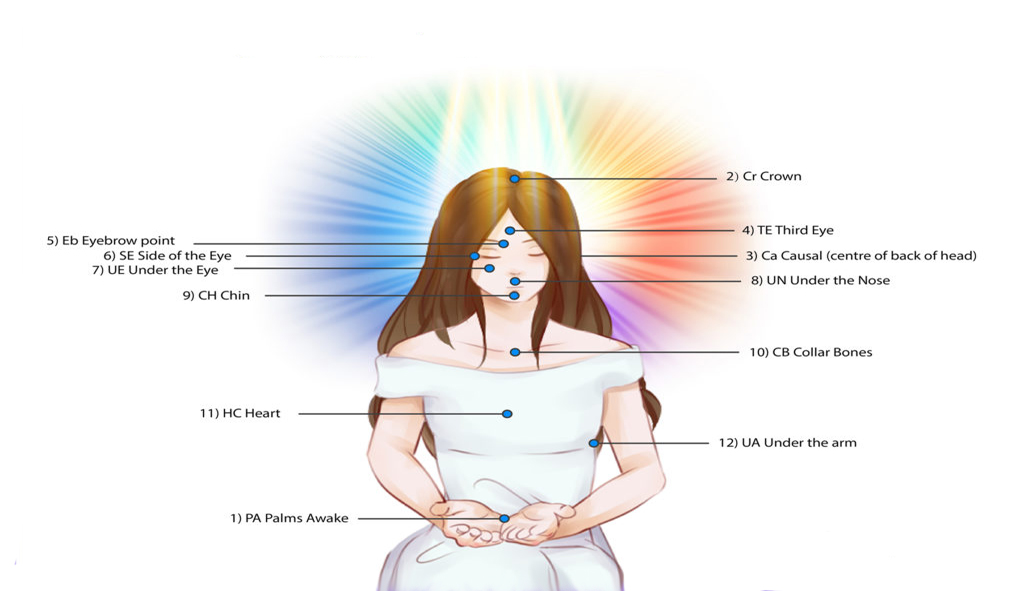
EFT (Emotional Freedom Techniques) combines acupressure with elements of neuro-linguistic programming. Using targeted phrases and tapping on specific meridian points, the aim is to help release emotional “blockages” and reprogram unhelpful thought patterns. The premise is that disruptions in the body’s energy system are at the root of negative emotions.
Developed by Gary Craig, EFT is a needle-free technique that can be done almost anywhere using just your fingertips.
How It Works
- Opening statement — acknowledge the issue, e.g. “Even though I have this [feeling] about [situation], I completely accept myself anyway,” while tapping the karate-chop point three times. Adjust the wording so it feels authentic to you.
- Tapping sequence — rate the intensity of the feeling from 1–10, then tap through a sequence of facial and body meridian points while naming the emotion. Repeat rounds until the intensity drops toward zero, noticing any related emotions that surface along the way.
Benefits
As unwanted feelings are cleared, limiting beliefs loosen their grip and more positive self-beliefs have room to emerge — giving you a tool to help regulate your own emotional state.
 Frequencies
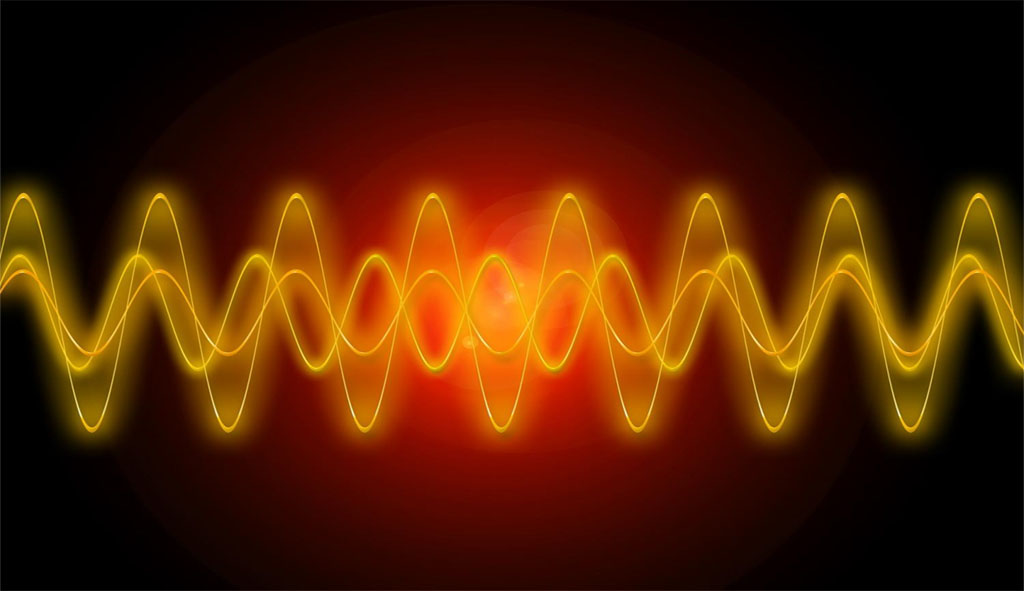
Sound and frequency influence our lives in real, physical ways — whether that influence is positive or negative is largely our choice. We are, in a sense, what we listen to.
Four Ways Sound Affects Us
Physiologically — the human body is roughly 70% water, and sound travels well through water. Hearing is our primary warning sense: sudden sounds trigger cortisol release, raise heart rate, and alter breathing as part of an inherited fight-or-flight response. (One practical tip: swap a sudden, beeping alarm for a gentler wake-up sound.)
Psychologically — sound shapes our mood. Music clearly affects emotion, but so do natural sounds like birdsong, which can promote feelings of safety and relaxation.
Cognitively — sound affects focus and productivity. Human voices are especially distracting because, unlike visual distractions, we can’t simply “close our ears.” Research suggests open-plan office noise can reduce productivity by up to 65%.
Behaviourally — we naturally move toward pleasant sounds and away from unpleasant ones. Noise increases stress and tends to reduce sociability and helpfulness.
Practical Recommendations
- Nature sounds — wind, water, and birdsong are linked to reduced stress; some workplaces pipe in natural sounds for this reason.
- Refined listening — rather than relying on earplugs long-term, build listening skills that reduce the brain’s strain from filtering unwanted sound.
- Music as therapy — particularly classical music, linked to lower blood pressure and described by some therapists as “vitamins for the brain.” Exploring new genres can even help form new neural connections.
 Social
Share your experience with others who are going through similar challenges — encourage them with love, and let your own journey toward better health be an example for them.
Connection, Generosity & Gratitude
Human connection is central to our health and happiness. Research consistently shows that generosity, altruism, compassion, and empathy benefit everyone involved — not just the receiver. We’re social creatures, and we’ve thrived because of our ability to cooperate. Small, conscious efforts to “love thy neighbour as thyself” can help counter the loneliness and hostility so many people experience.
A 2015 University of Zurich study found that small acts of generosity from a stranger created neurobiological changes that increased empathy toward an entire group. A 32-year longitudinal study linked positive social relationships in childhood and adolescence to adult wellbeing.
What It Means to Love Thy Neighbour
It starts with loving yourself — through compassion, kindness, generosity, forgiveness, and service. From there, you can offer your neighbours:
- Compassion — be present, lend a hand, offer a hug, and really listen.
- Kindness — show your softer side, especially to those who need it most.
- Sharing — your blessings aren’t meant to be hoarded.
- Forgiveness — practise it, even when it’s difficult.
- Service — show up for others with humility and genuine availability.
Your “neighbours” are everyone around you — family, coworkers, fellow patients, service workers, and your wider community, including those less fortunate than you.