
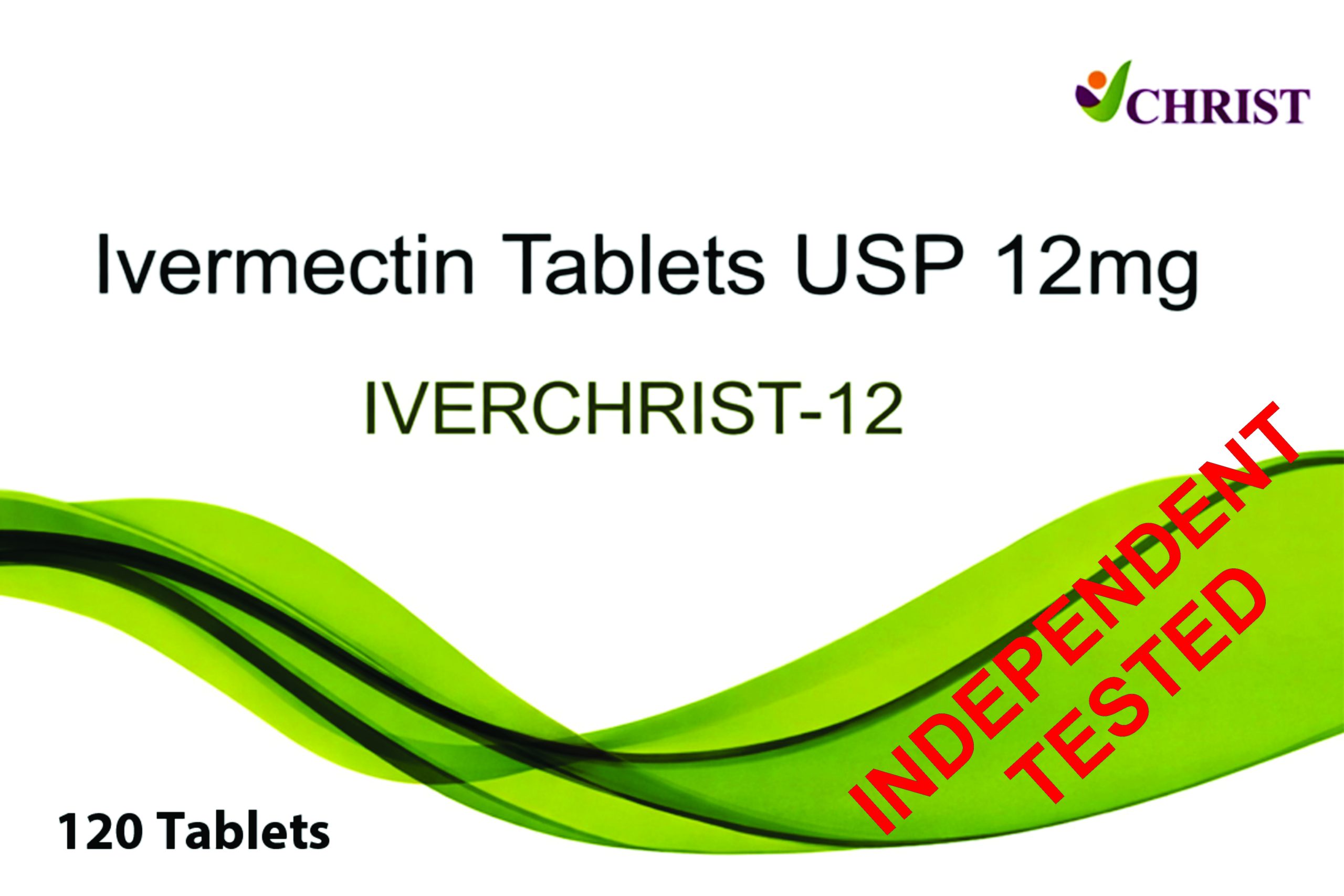
120 Tablets
Ivermectin – Iverchrist 12 is a widely used, broad-spectrum anti-parasitic drug that has had a profound impact on global health since its introduction in the 1980s. It was developed from a microbe found in Japanese soil, and its discovery was awarded the 2015 Nobel Prize in Physiology or Medicine.
Approved Medical Uses
Ivermectin is approved by the FDA and other international regulators to treat human diseases caused by parasitic worms (helminths) and external parasites:
Ivermectin is approved by the FDA and other international regulators to treat human diseases caused by parasitic worms (helminths) and external parasites:
- Strongyloidiasis (intestinal threadworms): Treated with oral tablets.
- Onchocerciasis (River Blindness): Treated with oral tablets to kill larval worms.
- External Parasites: Topical formulations (lotions/creams) are used for head lice and scabies.
- Rosacea: Topical cream is used for inflammatory skin lesions.
Mechanism of Action
Ivermectin acts by binding to glutamate-gated chloride ion channels found in the nerve and muscle cells of invertebrates (parasites). This binding increases the permeability of the cell membrane to chloride ions, causing hyperpolarization, which leads to the paralysis and death of the parasite. It is safe for humans at therapeutic doses because these specific channels are not present in mammals, and the drug does not readily cross the blood-brain barrier.
Ivermectin acts by binding to glutamate-gated chloride ion channels found in the nerve and muscle cells of invertebrates (parasites). This binding increases the permeability of the cell membrane to chloride ions, causing hyperpolarization, which leads to the paralysis and death of the parasite. It is safe for humans at therapeutic doses because these specific channels are not present in mammals, and the drug does not readily cross the blood-brain barrier.
COVID-19 and Misinformation
- In Vitro vs. In Vivo: Early in the pandemic, laboratory studies (in vitro) showed that high doses of ivermectin could inhibit SARS-CoV-2 replication in cell cultures.
- Lack of Efficacy: Doses required to achieve this antiviral effect in humans would be dangerous and toxic. Major health organizations, including the FDA, CDC, and WHO, advise against using ivermectin to prevent or treat COVID-19 because clinical trials have failed to show consistent evidence of effectiveness.
- Misuse Risks: Taking veterinary-grade ivermectin (meant for horses or cattle) is dangerous and can cause severe toxicity, including nausea, vomiting, diarrhea, low blood pressure, seizures, coma, or death.
Side Effects and Safety
When taken as prescribed, ivermectin is generally well-tolerated. Potential side effects include:
When taken as prescribed, ivermectin is generally well-tolerated. Potential side effects include:
- Dizziness, lightheadedness, or feeling faint.
- Nausea, vomiting, diarrhea, or stomach pain.
- Weakness, drowsiness, or tremors.
- Allergic reactions (rash, itching).
Emerging Research
- Cancer: Ivermectin is currently under study for potential anti-cancer properties (e.g., in breast cancer and glioblastoma), but these studies are in the early, pre-clinical (lab/animal) phase, and there is no evidence yet that it is an effective cancer treatment in humans.
- Other Potential Uses: Researchers are investigating its potential as an anti-malarial, anti-viral for other viruses (e.g., dengue, Zika), and for treating certain neurological disorders.
Disclaimer: This information is for educational purposes only. Always consult a healthcare professional for diagnosis and treatment.
Reviews
There are no reviews yet.