
Juicing & Blending
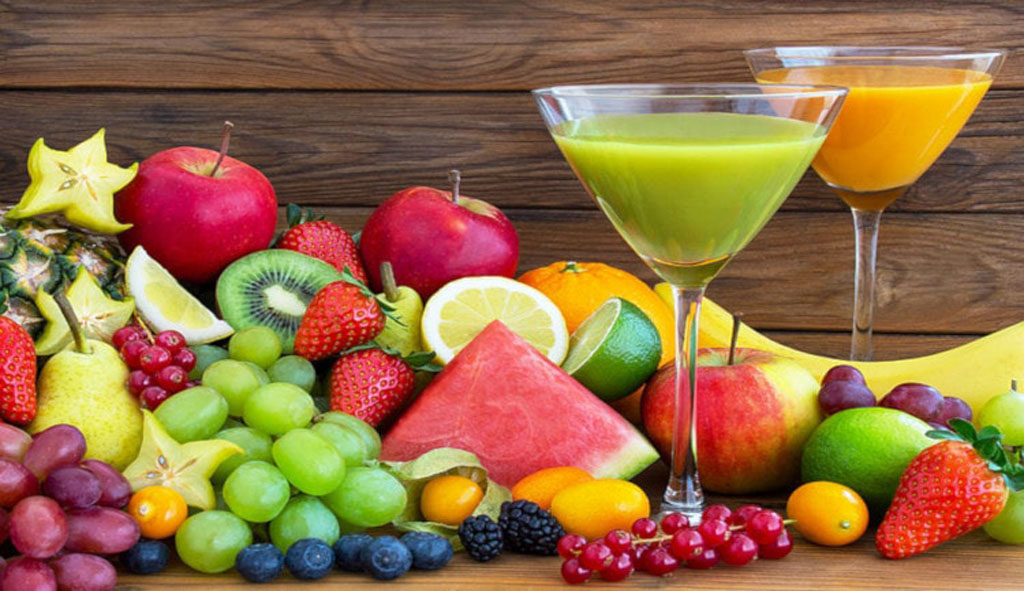
Disease will never overwhelm you if your determination to be healthy is strong enough.
Juicing: Good or Bad?
Fruits and vegetables are good for your health.
Some of them even reduce your risk of chronic diseases, such as heart disease and cancer.
Juicing, a process that involves extracting the nutritious juices from fresh fruits and vegetables, has become increasingly popular in recent years.
Many people use it to detox or add more nutrients to their diet.
Supporters claim that juicing can improve nutrient absorption from fruits and vegetables, while others say it strips away their important nutrients like fiber.
This is a detailed review of juicing and its health effects — both good and bad.
What is juicing?
Juicing is a process that extracts the juices from fresh fruits and vegetables.
It usually strips away most of the solid matter, including the seeds and pulp, from whole fruits and vegetables.
The resulting liquid contains most of the vitamins, minerals, and antioxidants naturally present in the whole fruit or vegetable.
Juicing methods
Juicing methods vary, from squeezing fruit by hand to motor-driven juicers.
Two common types of juicers include:
- Centrifugal. These juicers grind fruits and vegetables into pulp through a high-speed spinning action with a cutting blade. The spinning also separates the juice from the solids.
- Cold-press. Also called masticating juicers, these crush and press fruits and vegetables much more slowly to obtain as much juice as possible.
The nutritional quality of juice obtained from centrifugal and cold-press juicers is similar.
Purpose of juicing
Juicing is generally used for two purposes:
- Cleansing or detoxification: Solid food is eliminated and only juice is consumed for 3 days to several weeks. Some people believe drinking juice cleanses their bodies of toxins. However, no evidence supports its effectiveness.
- Supplementing a normal diet: Fresh juice can be used as a handy supplement to your daily diet, increasing nutrient intake from fruits and vegetables that you wouldn’t otherwise consume.
SUMMARY
Juicing involves extracting and drinking the juice from fresh fruits and vegetables. Some people do this to detox, while others do it to supplement their current diet.
Juice is an easy way to obtain a lot of nutrients
Many people don’t obtain enough nutrients from their diet alone.
Nutrient levels in the foods you eat are also much lower than they used to be.
This is largely due to processing methods and the time it takes to get produce from the field to the supermarket.
Polluted environments and high stress levels can also increase your requirements for certain nutrients.
Fruits and vegetables are full of vitamins, minerals, antioxidants, and plant compounds that may protect against disease.
If you find it difficult to get the recommended amount of fruits and vegetables into your diet each day, juicing can be a convenient way to increase your intake.
One study found that supplementing with mixed fruit and vegetable juice over 14 weeks improved participants’ nutrient levels of beta carotene, vitamin C, vitamin E, selenium, and folate.
Furthermore, a review of 22 studies found that drinking juice made from fresh fruits and vegetables or blended powder concentrate improved folate and antioxidant levels, including beta carotene, vitamin C, and vitamin E.
SUMMARY
If you struggle to eat enough fruits and vegetables each day, juicing is a convenient way to get a wide range of important nutrients.
Does fruit juice protect against disease
Plenty of evidence links whole fruits and vegetables to a reduced risk of disease, but studies on fruit and vegetable juices are harder to find.
The health benefits of fruits and vegetables are partly due to their high antioxidant content, but fiber also plays an important role. Many antioxidants are bound to fiber and get released in your digestive system.
A high intake of fruits and vegetables shows promise in many areas of health. For example, juices may reduce your risk of heart disease. Apple and pomegranate juices have been linked to reduced blood pressure and cholesterol levels).
Additionally, consuming fruit and vegetable juices in liquid form (or blended concentrations) may reduce homocysteine levels and markers of oxidative stress, both of which are linked to improved heart health.
One large study observed a reduced risk of Alzheimer’s disease among those who drank fruit and vegetable juices three or more times per week, compared with those who drank them less than once per week.
The reduction in Alzheimer’s risk may be due to the high levels of polyphenols in the juices. These are antioxidants found in plant foods and believed to protect brain cells.
Despite these results, more studies are needed to better understand the health effects of fruit and vegetable juices.
SUMMARY
Limited evidence links fruit and vegetable juice to a reduced risk of diseases like cancer, Alzheimer’s, and heart disease.
It’s best to consume whole fruits and veggies
Juicing advocates often claim that drinking juice is better than eating whole fruits and vegetables.
They assert that removing the fiber makes nutrients easier to absorb.
However, there isn’t any scientific research to support this.
In fact, you may need the fiber content of the fruit or vegetable to experience the plant’s full health benefits.
For example, the antioxidants that are naturally bound to plant fibers are lost during the juicing process. They may play an important role in the health benefits of whole fruits and vegetables.
Notably, up to 90% of fiber is removed during the juicing process, depending on the juicer. Some soluble fiber will remain, but the majority of insoluble fiber is removed.
Potential health benefits of fiber
Higher fiber intakes have been associated with lower risks of heart disease, obesity, and type 2 diabetes.
Studies have shown that increasing soluble fiber, in particular, may improve blood sugar and cholesterol levels.
One study compared eating whole apples to drinking apple juice. It found that drinking clear apple juice increased LDL (bad) cholesterol levels by 6.9%, compared with eating whole apples. This effect is thought to be due to the fiber content of whole apples.
What’s more, an observational study showed an increased risk of type 2 diabetes in people who consumed fruit juices, whereas whole fruits were linked to a reduced risk.
People also tend to feel more full when they eat whole fruits, compared with when they drink the juice equivalent.
One study compared the effects of blending and juicing on the nutrient content of grapefruit. Results showed that blending, which retains more fiber, is a better technique for obtaining higher levels of beneficial plant compounds.
Should you add fiber to your juices?
The level of fiber in your juices will depend on what type of juicer you use, but some sources suggest adding leftover pulp to other foods or drinks to increase fiber intake.
Although this is better than throwing the fiber away, evidence suggests that re-adding fiber to juice doesn’t give you the same health benefits as simply eating whole fruits and vegetables.
Additionally, a study found that adding naturally occurring levels of fiber to juice did not enhance feelings of fullness.
SUMMARY
Eating whole fruits and vegetables is better for your health. Juicing causes you to miss out on beneficial fiber and antioxidants.
Juicing for weight loss may be a bad idea
Many people use juicing as a weight loss strategy.
Most juice diets involve consuming 600–1,000 calories per day from juices only, resulting in a severe calorie deficit and fast weight loss.
However, this is very difficult to sustain for more than a few days.
While juice diets may help you lose weight in the short term, such a severe calorie restriction can slow your metabolism in the long term.
Juice diets are also likely to lead to nutrient deficiencies in the long term, as juices lack many important nutrients.
SUMMARY
Most juicing diets involve severe calorie restriction, which is generally unsustainable in the long term and can lead to a slower metabolism.
Juices should not replace meals
Using juices as a meal replacement can be bad for your body.
This is because juice on its own is not nutritionally balanced, as it does not contain sufficient protein or fat.
Consuming enough protein throughout the day is necessary for muscle maintenance and long-term health.
Additionally, healthy fats are important for sustained energy, hormone balance, and cell membranes. They may also provide the fat-soluble vitamins — vitamins A, D, E, and K.
That said, replacing one meal per day with juice is unlikely to cause harm, as long as the rest of your diet is more balanced.
You can make your juice more nutritionally balanced by adding protein and healthy fats. Some good sources are whey protein, almond milk, avocados, Greek yogurt, and peanut butter.
SUMMARY
Juices are nutritionally unbalanced because they do not contain adequate amounts of protein or fat. Adding protein and fat sources to your juices can help with this.
Juice cleanses are unnecessary and potentially harmful
Regularly consuming high amounts of fruit juice has been associated with an increased risk of metabolic syndrome and obesity.
In addition, there is no evidence that your body needs to be detoxified by eliminating solid food.
Your body is designed to remove toxins on its own, using the liver and kidneys.
Furthermore, if you’re juicing with non-organic vegetables, you can end up consuming other toxins that come along with them, such as pesticides.
For those with kidney problems, a heavy consumption of juices rich in oxalate has been linked to kidney failure.
More extreme juice cleanses are associated with negative side effects, including diarrhea, nausea, dizziness, and fatigue.
SUMMARY
There is no evidence that juice cleanses are necessary for detoxifying the body. Also, juicing may harm people who have kidney problems or take certain medications.
Fruit juice contains high amounts of sugar
What you choose to juice matters, and fruits contain much more sugar than vegetables.
Consuming too much fructose, one of the naturally occurring sugars in fruit, has been linked to high blood sugar, weight gain, and an increased risk of type 2 diabetes.
About 3.9 ounces (114 ml) of 100% apple juice contains almost zero grams of fiber but packs 13 grams of sugar and 60 calories.
Similarly, 100% grape juice has 20 grams of sugar in a 3.9-ounce (114-ml) serving.
To keep the sugar content of your juices low, trying juicing vegetables and then add a small piece of fruit if you want more sweetness.
SUMMARY
Juices based mainly on fruit are much higher in sugar than vegetable-based ones.
The bottom line
Fresh juices contain important vitamins and antioxidants that can benefit your health.
However, fruits and vegetables are still the healthiest and most nutritious when consumed whole.

Overview
The juice and smoothie industry has taken the United States by storm. According to market research, juice and smoothie bars bring in a total of $2 billion annually. But whether you’re forking over a healthy amount of cash in a trendy juice bar or making your fruity beverages at home, it’s important to understand the health benefits and implications of what you’re drinking.
Fruits and vegetables are good for you — no one would argue with that. The 2015-2020 Dietary Guidelines for Americans suggest that we eat 2 cups of fruit and 2 1/2 cups of vegetables every day. When consumed at these levels, fresh produce may reduce the risk of heart disease, stroke, and cancer, while also helping to manage your weight.
But according to the Centers for Disease Control and Prevention (CDC), Americans just aren’t getting enough of either. That’s part of the draw of juicing and blending: Both make it easier to get more fruits and vegetables into your diet.
What’s the difference between juicing and blending?
The difference between juicing and blending is what’s left out of the process.
With juicing, you’re essentially removing all fibrous materials, leaving only the liquid of the fruits and vegetables. With blending, you get it all — the pulp and fiber that bulks up the produce. This is where we begin to separate the benefits of the two options.
Juicing 101
- more concentrated amounts of vitamins and nutrients
- easier absorption of nutrients
- some juices contain more sugar than sodas
- lack of fiber, which is essential for healthy digestion, controlling blood sugar, and lowering risk of heart disease
Blending 101
- blended fruits and vegetables retain all their fiber for healthy digestion
- the fibrous parts of fruits and vegetables fill you up and also contain antioxidants
Nutrient concentration
When you juice your fruits and vegetables, you may get more concentrated, more easily-absorbed nutrients. This is because the bulk of the vitamins and minerals found within a fruit are typically in the juice — not the pulp and fibrous material that you’d also get in a smoothie. But that isn’t the whole story.
Fiber content
Juices contain little to no fiber. Fiber is incredibly important for proper digestion and good health.
Soluble fiber, like that found in apples, carrots, peas, green beans, and citrus fruits, dissolves in water and slows down digestion, which helps manage your blood sugar levels. Insoluble fiber, which is in vegetables like cauliflower, potatoes, and dark leafy vegetables, adds bulk to your stool and stimulates your intestines into action.
Antioxidants
Fiber isn’t the only thing present in fruit and vegetable pulp. A 2012 study compared the presence of phytochemicals — antioxidant compounds with potential anti-cancer properties — in grapefruit juice versus blended grapefruits. The researchers found that the blended fruit had a higher concentration of the beneficial compound because that compound is primarily found in the fibrous membranes of the fruit.
Ease of digestion
Advocates of juicing suggest that eating fruits and vegetables without the fiber gives your body a break from the hard work of digestion. They also suggest it enhances the absorption of nutrients.
One analysis confirmed that beta-carotene, a beneficial carotenoid, obtained from juiced produce rather than whole food forms, resulted in higher blood levels of beta-carotene. Many studies find that higher levels of plasma or blood levels of beta-carotene predict lower cancer risk. The researchers stated that soluble fiber reduces beta-carotene absorption by 30 to 50 percent.
However, they also pointed out that blending is beneficial, too. While the fiber remains present in blending, the cell walls of the foods are broken down. This allows for improved absorption of beta-carotene.
In some diseases and malabsorptive conditions, low-fiber and low-residue diets are recommended. In these cases, juicing would be appropriate.
While research is limited, there’s anecdotal evidence from people who have completed juice fasts and cleanses, and reported a variety of health benefits. That said, fiber is often under-consumed, causing harmful health effects. Therefore, consuming blended foods more often than juiced foods may provide the benefits of both whole foods and juiced foods.
Sugar
Sugar consumption is a major downside of both juicing and blending, says dietitian Kimberly Gomer, MS, RD, LDN. Gomer says both juices and smoothies can raise blood sugar — but the effects are more rapid and dramatic with juice.
With blended fruits and veggies, there are only so many you can drink before you start to feel full. The pulp, skin, and fiber helps increases the volume of the drink, which fills you up and limits your total calorie consumption. But with juice, you can consume the same amount of fruits and vegetables and still not feel satisfied.
Some commercial fresh juices contain as much, or even more, sugar than sodas. Research published in 2014 found that on average, fruit juices contain 45.5 grams of fructose per liter, not far off from the average of 50 grams per liter in sodas.
Minute Maid apple juice was found to contain 66 grams of fructose per liter, higher than both Coca-Cola and Dr. Pepper! Although smoothies may have less, sugar should be a concern regardless.
The takeaway
Juicing has a variety of benefits, including greater concentration of nutrients per ounce, increased consumption of fruits and vegetables, and enhanced absorption of nutrients. It may also help people who have difficulty eating their vegetables to stomach the taste.
On the other hand, with juicing you’re missing out on important fiber. You could also be missing out on other important compounds present in the pulp and membranes of the produce.
With blending, you’re getting everything the fruit and vegetables have to offer, but the pulpy texture may be unappetizing to some.
In both cases, there is a caveat to all of the benefits: sugar. Because of sugar, Gomer urges caution, particularly if weight loss is your goal.
Some experts believe you could minimize the rise in blood sugar from liquid calories by adding sources of fiber, protein, or fat, such as avocado, chia seeds, protein powders, or unsweetened Greek yogurt. But others disagree.
“We do not recommend any liquid calories,” says Gomer. “For weight loss, always eat the fruits and veggies — don’t drink them. If weight loss isn’t an issue, then the smoothie would win the prize over the juicing.”